Yankees Break Extra-Inning Curse With Five-Run 10th; Execution Matters Down the Stretch
By Erik Schwartz ·
New York's two-out rally in the 10th rewarded dominant pitching and late-game clutch hitting—a pattern worth tracking as the AL East race tightens.
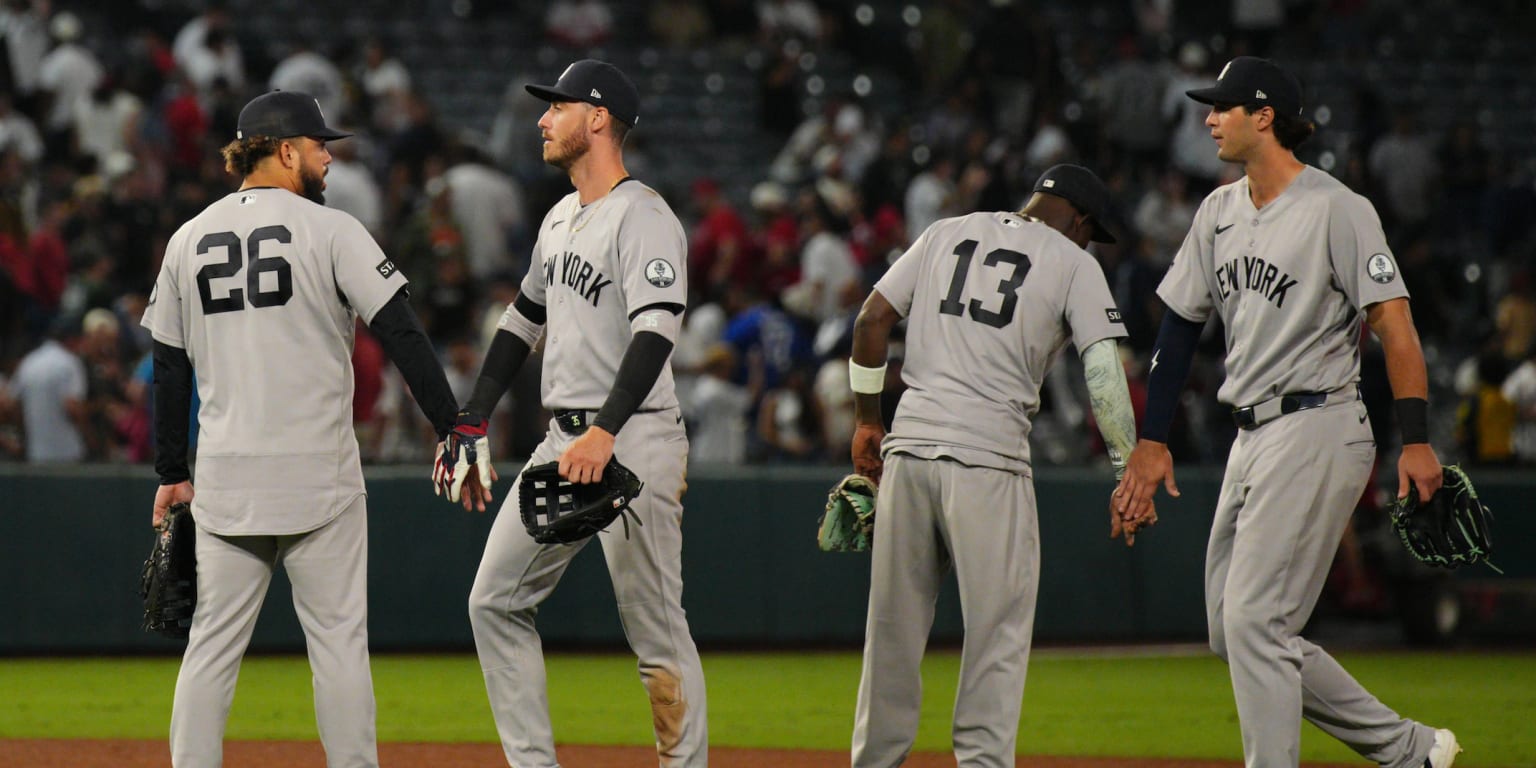
The Yankees needed a moment. After 12 extra-inning games that had yielded just 11 total runs, New York finally assembled consecutive two-out hits to break through Wednesday night in Anaheim, erupting for five in the 10th to beat the Angels 6-3. Pinch-hitter Austin Wells started the damage with a two-run single off Angels reliever Luke Murphy with bases loaded. Cody Bellinger, Trent Grisham, and Ben Rice each drove in runs in succession, turning what looked like another frustrating stalemate into a statement win in a pennant race where every game carries weight—the Rays sit 3.5 games ahead in the AL East.
The rally masked a deeper fact: this was as much about dominant starting pitching as it was about late-inning heroics. Cam Schlittler worked eight innings, allowing one run and setting up the entire sequence. David Bednar struck out three in a scoreless ninth to preserve the opportunity. When execution fails in extras, you don't get to the bottom of the 10th; when it clicks, one hot two-out at-bat compounds into four. The Yankees entered this game ranked near league bottom in extra-inning efficiency, a red flag for a contender that can't afford to leak wins in coin-flip situations.
For betting purposes, what matters is whether Wednesday's performance signals a genuine shift in late-inning execution or remains an outlier in a season-long pattern of underperformance. The Yankees have played 12 extra-inning contests and scored 11 runs total before this game—a 0.92 runs-per-game rate in extras that ranks among the majors' worst. One five-run inning doesn't erase that. However, the mechanism behind the rally—two-out hitting and disciplined at-bats with runners in scoring position—is repeatable if the approach holds. Schlittler's eight-inning outing also signals that New York's rotation can still win starts with depth, reducing the strain on a bullpen that has logged heavy miles.
The immediate implication for extra-inning play: Yankees overs in extras remain vulnerable over the next 10-14 days while the market digests this outburst. Sportsbooks will likely adjust lines on Yankees run production upward in the short term, but the underlying data (season-long extra-inning efficiency) hasn't fundamentally changed. A single five-run explosion doesn't constitute a pattern reversal. Look for overs on Yankees run total in standard regulation play to offer better value, as this lineup still generates baseline offensive pressure—it's just the timing and execution in high-leverage spots that has lagged. The Rays lead is real, and while Wednesday was cathartic, the Yankees' path to October runs through consistent execution in regulation innings where they've shown more reliability.