Abrams Trade Chatter Signals Nationals' Win-Now Window—Or Roster Reset
By Erik Schwartz ·
The Yankees and Brewers circling Washington's shortstop suggests a July deadline pivot that could reshape offensive production lines across multiple rosters.
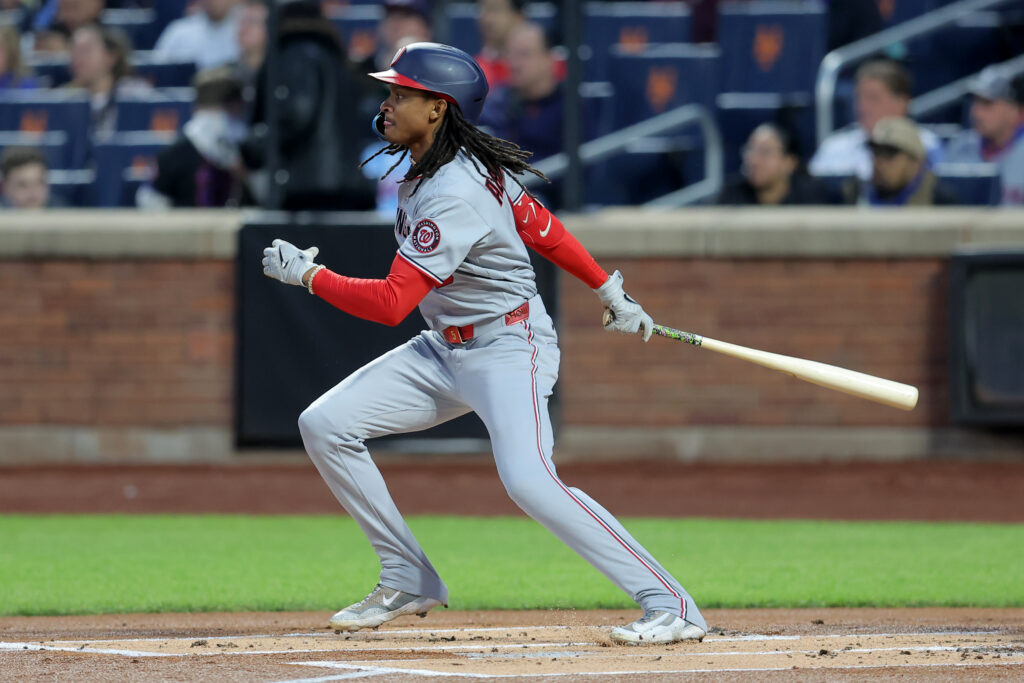
CJ Abrams has drawn formal trade inquiries from the Yankees and Brewers, per The Athletic, as the Nationals confront a July 31 deadline decision: extend their young shortstop or harvest maximum value before his arbitration window widens. Milwaukee explored the same path last offseason; New York's current interest reflects either a gap at short or a recognition that Abrams' 2026 production warrants a mid-season acquisition push.
The timing matters. Abrams is in a controlled, pre-free-agency window with a clear arbitration arc ahead. If Washington doesn't sign him to a long-term deal, his trade value peaks now—a team acquires a 2026 season-and-a-half of control before Abrams hits the open market. The Nationals' reluctance to move him last winter suggests front-office preference for retention. But shifting front offices or disappointing win-probability math can flip that calculus in a hurry.
For the Yankees, acquiring Abrams would either signal confidence in a playoff push (upgrade path over their current short-stop production) or a preemptive move ahead of free agency next winter when shortstops command premium dollars. For Milwaukee, a second inquiry indicates ongoing internal debate about whether their current roster can bridge a contentious NL Central. Both teams are close enough to justify mid-season payroll moves, but neither is explosive enough to guarantee postseason appearance—the classic deadline tension.
The prop impact hinges on roster placement, not just player talent. If Abrams lands in New York, Yankees team totals and offensive prop pools shrink slightly (fewer total touches available across the lineup due to a compressed batting order), but short-stop-specific lines (hits, RBIs, runs) would recalibrate upward if Abrams slots into protection. If Milwaukee acquires him, their team total floor rises—Abrams' contact rate and speed inject immediate offensive velocity into a lineup that's otherwise treading water. Washington keeping him changes nothing at the margins, but the uncertainty itself is the tell: markets will wait for clarity before repricing shortstop lines in any acquiring market. The edge exists in the 48-72 hours post-trade announcement, before books fully integrate new lineup construction and pitcher matchups.