Yamamoto's First-Inning Vulnerability Is Costing the Dodgers Real Wins
By PropBetEdge Editorial Team ·
The ace's postseason poise evaporates in early innings this season, and Sunday's Brewers matchup offers a test of whether Milwaukee's scouting adjustment has exposed a mechanical flaw or simple bad variance.
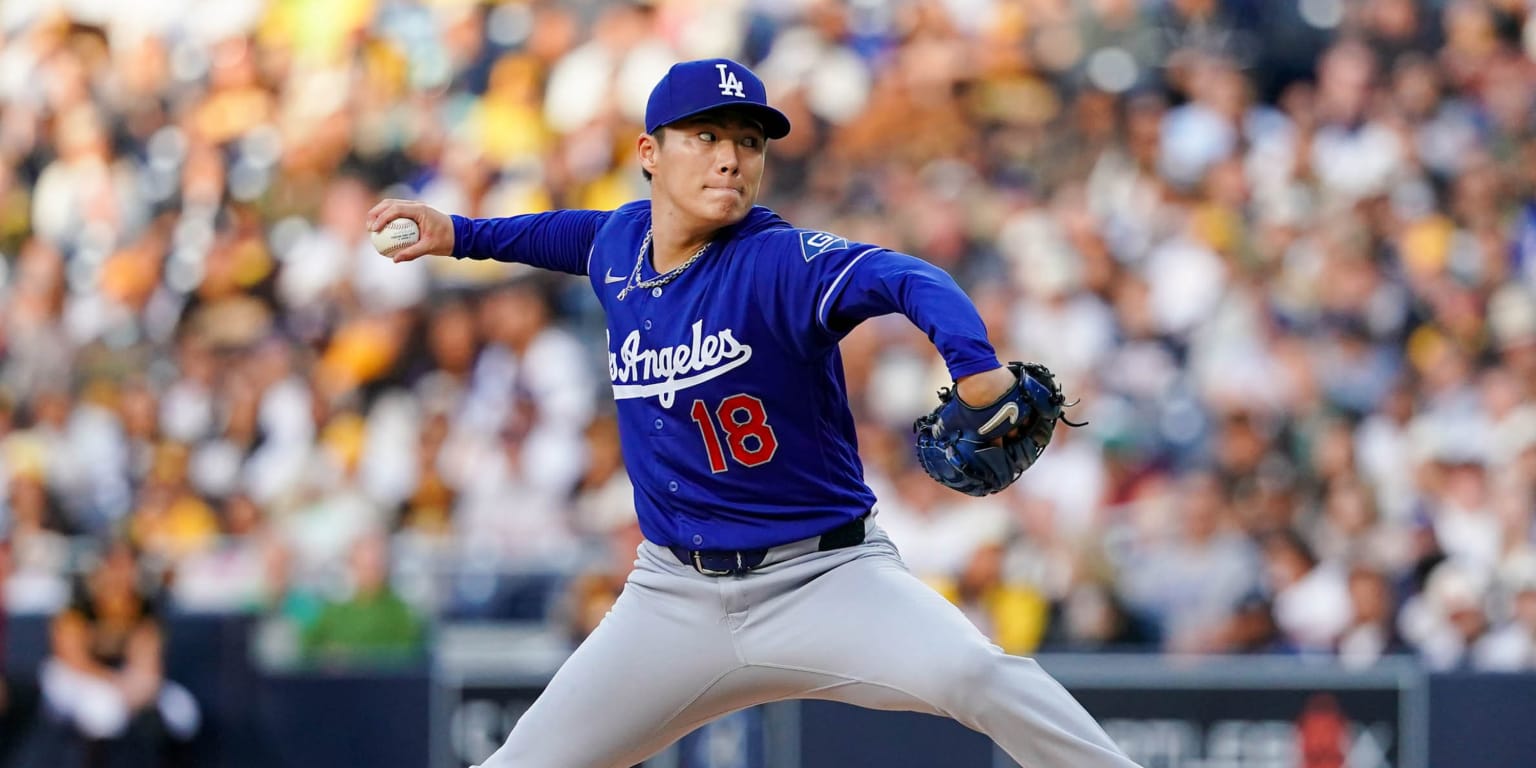
Yoshinobu Yamamoto returns to American Family Field on Sunday for what looks like a redemption narrative—the dominant NLCS Game 2 performance seven months ago versus a 2024 regular season that has been anything but dominant in the opening frame. The reality is messier and more actionable than nostalgia. Yamamoto has surrendered seven of his 21 earned runs this season in the first inning alone, a concentration that suggests either a scouting adjustment has found a flaw or he's bleeding runs in a specific tactical window. That rate—one-third of his total damage in 5.3% of his innings—is not noise.
The mechanical tell is worth isolating. In his most recent start at American Family Field on July 7, Yamamoto couldn't escape the first inning for the first time in his MLB career, yielding five runs (three earned) on a ground-ball heavy sequence that suggests either diminished fastball command or hitters sitting on a particular pitch early. Across nine starts this season, he's posted a quality start in seven—a respectable 77.8% rate—but that aggregate mask a bimodal distribution: dominant middle innings, catastrophic first innings. He's also surrendered nine homers in 57 innings (1.42 per nine), a sharp increase from his 2025 rate of 0.73 per nine. Five of those nine have come in the first frame.
The Brewers' lineup has seen Yamamoto twice now in consequential spots. Milwaukee finished this season as an NL-best unit that exploits fastball-heavy early counts and sits on elevated-zone heat. Justin Wrobleski's Friday outing—four runs on six hits in the first inning—against the same roster signals the Brewers are hunting first-inning pitching with intentional aggressiveness. Yamamoto's road mark of 2.77 ERA across four starts is real and suggests he performs better in neutral environments, but that edge evaporates when facing scouted opponents who know his sequencing tendencies. The Dodgers' thin rotation due to Snell and Glasnow injuries amplifies the variance risk; Yamamoto cannot absorb a first-inning blowup in a 16-games-in-17-days stretch.
From a prop standpoint, the first-inning total for the Dodgers becomes a fade, and Yamamoto's total strikeout line may compress if sportsbooks price in reduced innings pitched (a bailout in the third or fourth is possible). His standard ERA line will widen because one catastrophic first frame inflates the number; backing the over on his innings pitched expects Milwaukee to light him up early and trigger a hook. More tactically, Milwaukee's first-inning run line offers value if the market hasn't yet incorporated the Wrobleski precedent from Friday. Yamamoto's postseason credibility and road ERA are real, but they don't erase the mechanical liability that seven of his last 21 earned runs have exposed.