Wrobleski's All-Star Case: Why His Workload Volume Matters for Dodgers Pitching Props
By Ty Whitney ·
A seven-inning gem against Minnesota underscores Wrobleski's durability edge—and why that depth matters when pricing Los Angeles starting-pitcher props.
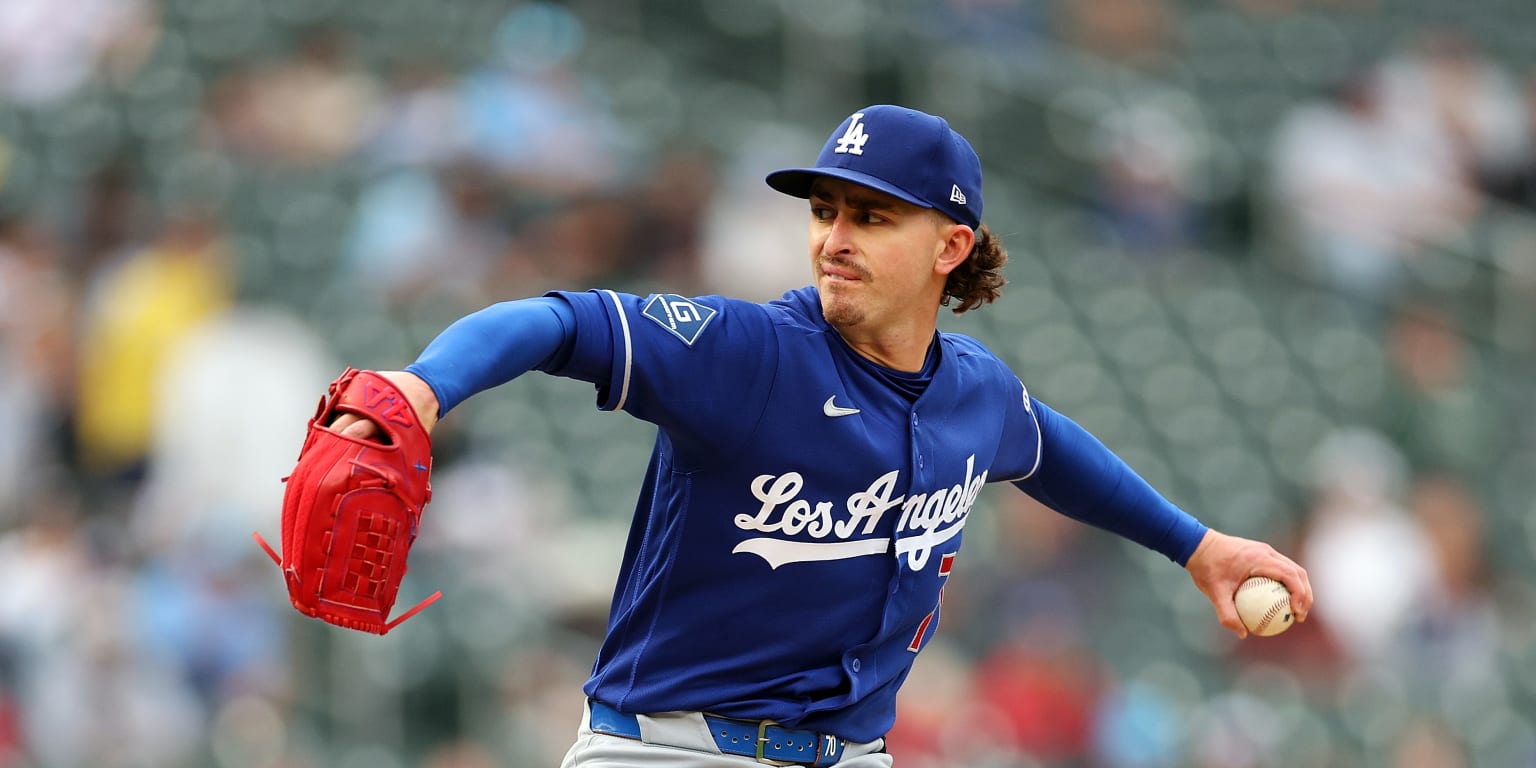
Justin Wrobleski authored a 12-3 route over the Twins on Tuesday, striking out three across seven innings while limiting Minnesota to five hits and two earned runs. The win was his ninth of the season and arrived with All-Star voting imminent—a reminder that workload consistency is the currency managers and voters track. But for prop bettors, the deeper angle sits in what that performance reveals about Dodgers pitching strategy and how the market prices his next start.
Wrobleski has now logged at least seven innings five times this season across 86.1 total frames. That frequency matters. Most starting pitchers who see deep-start opportunities are either elite arms (sub-3.40 ERA, high strikeout volume) or anchoring a team's rotation because durability is scarce. Wrobleski is the latter—a stabilizer, not a flash performer. The Twins couldn't get to him on Tuesday despite an early rain delay that could have disrupted rhythm; he pitched through it with minimal wear. That consistency is what earns trust in the postseason rotation conversation and what drives betting behavior. When a starter has proven he can eat innings without deterioration, the market tends to underprice his next start's over/unders on strikeouts and innings pitched.
The Dodgers' offensive explosion (five runs in the ninth alone) is a separate story. But it's worth noting: Wrobleski didn't need run support to dominate. He worked efficiently, walked only two, and faced a Twins lineup that came in hitting .248 against left-handed pitching this season. That's a favorable matchup profile that repeats in subsequent games if the Dodgers cycle back into divisions or parks where their schedule feeds his splits. The solo home run to Victor Caratini was the only blemish—a pitch-sequencing miss, not a workload issue.
From a prop standpoint, Wrobleski's strikeout line (currently in the 7–8 range for his next start, depending on opponent) looks vulnerable to the over. His three-strikeout outing against Minnesota is conservative relative to his season splits, and that conservative number came against a team with a below-average strikeout rate. If the Dodgers face a lineup with a league-average or above-average strikeout rate within his next two weeks, his over on strikeouts becomes a value play. The mechanism is simple: he's proven durable enough to stay in games long enough to accumulate volume, and his stuff hasn't regressed despite high workload. Markets often price in fatigue before it shows up in the box score. Wrobleski's Tuesday performance is another data point that he's defying that assumption.
Wrobleski's All-Star positioning also signals team confidence in his health and availability. A manager doesn't lobby for All-Star consideration for a pitcher they view as injury-prone or fatigued. Dave Roberts' pregame comment wasn't idle—it was a valuation tell. The Dodgers are banking on Wrobleski absorbing innings down the stretch. For bettors, that means his innings-pitched line deserves skepticism when it dips below 5.5, and his strikeout overs warrant early-week attention before lineups are fully scouted.