Montero's Pitch Mix Evolution Shields Him From Tigers Rotation Purge
By Erik Schwartz ·
As Detroit faces a starter logjam with Skubal and Mize returning, Montero's improved command and multi-pitch arsenal give him the best case to keep his rotation spot—and that translates to more innings and fewer bullpen days ahead.
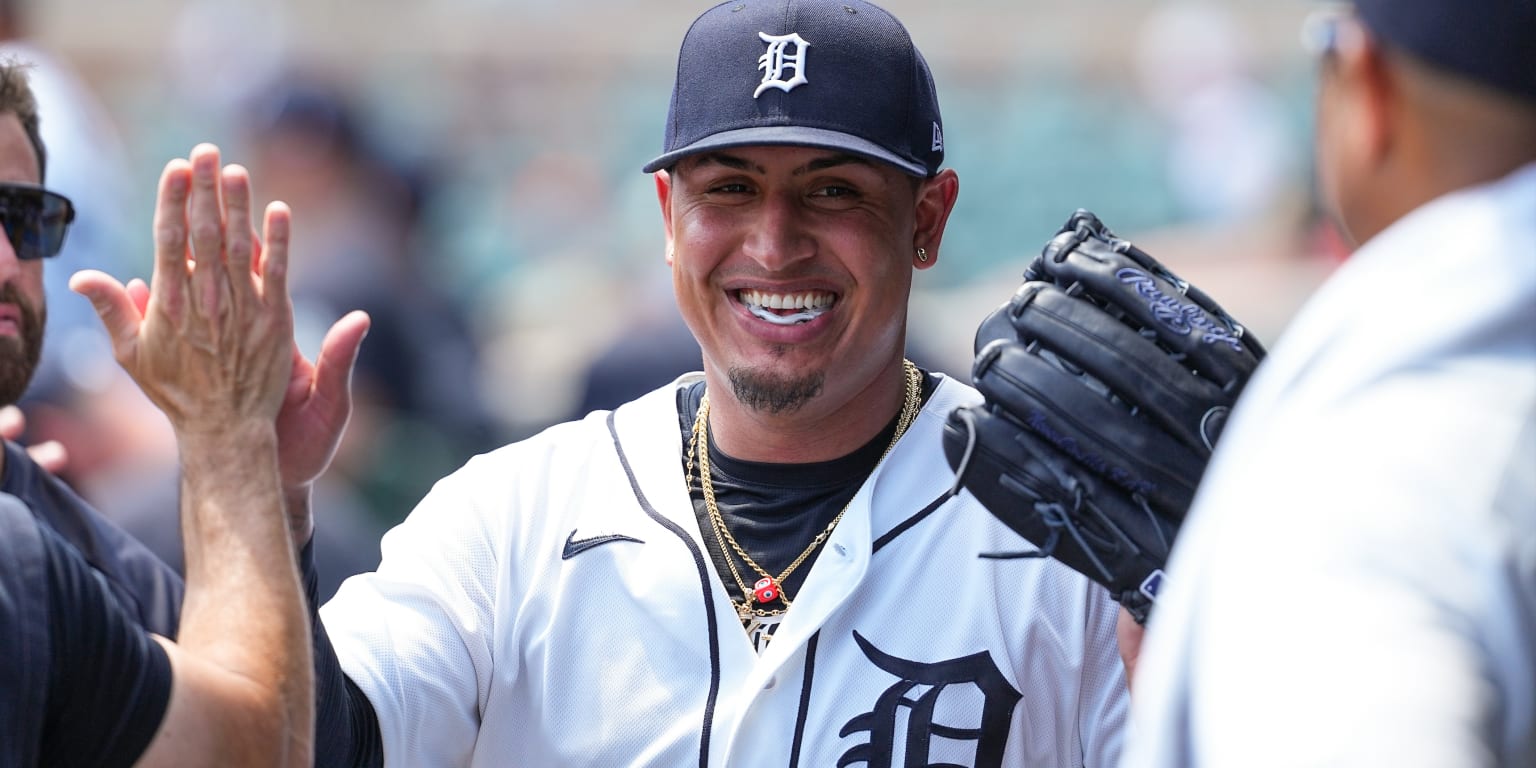
Tarik Skubal rejoins the Tigers rotation Saturday in Cleveland. Casey Mize follows Sunday. Justin Verlander has already begun his rehab window after landing on the injured list a week into the season. That stacks Detroit with six established arms—seven if Verlander returns, eight if you count Ty Madden as manager A.J. Hinch does. Someone doesn't pitch. Keider Montero knows this.
What Montero also knows is that his path forward isn't built on seniority or past performance. It's built on measurable stuff improvement. Last season, only his sinker (+4) and changeup (+1) generated positive run value by Statcast; his slider, four-seamer, and curveball all ranked negative. This year, he's flipped the script: his four-seamer is now worth +4, his changeup +4, his sinker +2. Only the curveball still bleeds value at -3. That's not statistical noise. That's a pitcher redesigning his arsenal mid-season, and it shows in the results. His ERA sits at 3.61 with a 1.01 WHIP. Against Minnesota on Thursday, he induced just a .212 batting average on balls in play, averaging only 84.5 mph of exit velocity despite facing a lineup that had slugged six homers in the prior two games. He's now posted two scoreless six-plus-inning outings in his last three starts and has never allowed more than four runs or exited before the fifth inning this season. That reliability matters in a crunch.
The mechanical driver behind Montero's improvement is location sophistication. Early in his career, he threw "big-zone strikes"—accurate, but predictable. Now he's attacking every quadrant of the strike zone, pounding edges and corners with multiple pitch shapes. In Thursday's start, he generated 17 called strikes across four pitch types on 46 total swings. That's not high whiff rate; that's command-and-draw baseball. He's become what Hinch called "a more well-rounded pitcher," one who can sequence his way through lineups rather than overpower them.
For bettors, Montero's fixture in the rotation—or potential demotion to the bullpen—carries clear implications. If he holds his spot, he'll continue eating six-plus innings per start, limiting Detroit's bullpen usage and capping blowout risk in games he pitches. His strikeout rate sits around 8.5 K/9, unspectacular but consistent; expect his K props to land in the 4-5 range on most nights, with implied totals of 6-7 for full games. His ERA trajectory (3.61 currently, improving pitch mix, zero disaster starts) suggests the market may be overpricing unders on Tigers team totals when Montero starts, especially against lower-aggression lineups. Conversely, if the logjam forces Detroit into a bullpen role for Montero, those same games shift: shorter outings, higher inherited-runner exposure, thinner run support—unders become more attractive. The roster decision still hangs, but Montero's measurable skill gain has already bought him time.