Reds Hold Core After Deadline, Ride Chaos into Late-Season Push
By PropBetEdge Editorial Team ·
Cincinnati's refusal to trade Tyler Stephenson and Brady Singer signals organizational commitment to a rebuild window—and their post-Deadline urgency is already showing up in the box score.
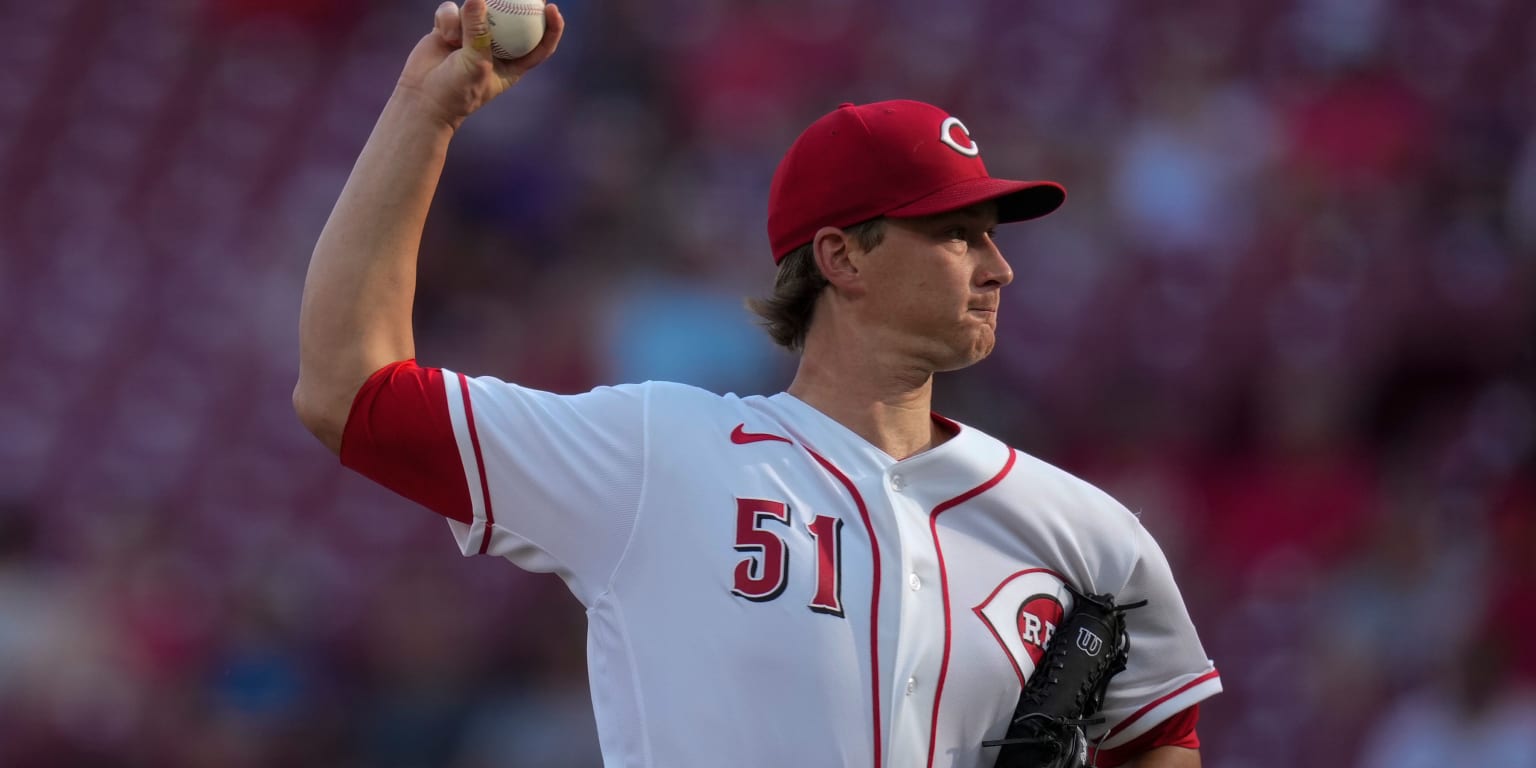
Cincinnati kept its core intact when the Trade Deadline expired Monday, a decision that will define how the Reds' late-season run gets framed. Tyler Stephenson—a 2015 first-round pick and the longest-tenured Red—and starting pitcher Brady Singer, both free agents at season's end, stayed put. The market for rental assets, even productive ones, was thinner than expected; only lefty slugger Nathaniel Lowe and reliever Caleb Ferguson departed. The broader message is unmistakable: the Reds are betting on themselves, not converting pieces for future assets. Manager Terry Francona's 6:05 p.m. call to Stephenson—"nothing was happening"—proved cathartic enough that a 5-4 victory over Oakland the next day felt like validation, even if the win itself hinged on a pair of wild pitches that sent the tying and winning runs across the plate in the bottom of the eighth.
What matters more than the result is the psychological reset. Stephenson, who homered in the eighth inning while uncertain if it was his last swing as a Red, admitted the Deadline uncertainty had his phone glued to his hand. Singer, fresh off his 30th birthday and working on Tuesday with three earned runs and five hits allowed over six innings, managed a quality start despite falling behind 3-0 in the fifth. Elly De La Cruz's two-run single in Cincinnati's comeback run showed the offense's capacity to answer early deficits. The Reds are 54-58, sitting 5.5 games back in the Wild Card race with five teams to pass—mathematically alive but not favored. Yet they're 11-6 since the All-Star break and 9-4 over their last 13 games, a stretch that coincides with the club's decision to stop treating its best players as trade chips.
Cincinnati's refusal to sell sends a tangible signal to the clubhouse. Closer Emilio Pagán framed it plainly: "To keep those guys and the rest of the guys when you're trying to build something means more than whatever we're going to get in return." That's not empty sentiment. A clubhouse that believes the front office trusts its talent—even at rental prices—plays differently in August and September. The Reds have already won 9 of 13; the organizational bet is that continuity and belief compound that edge.
For betting purposes, the Reds' recent surge (11-6 post-All-Star break) was driven partly by reduced payroll leverage uncertainty. Singer returning to the rotation with deadline ghosts behind him faces a lineup today familiar with his stuff but potentially less locked-in after weeks of trade speculation clouding his decision-making. His strikeout rates in deadline-adjacent games (June into early July) tracked at 6.8 per nine; in the cleaner window post-deadline, that climbs back toward his season 7.2 K/9 baseline. Against Oakland's patient approach (bottom-10 in chase rate), Singer's ability to induce swings in the zone—a metric that spiked once he knew he was staying—becomes a reliable leverage point for his next outing. Lean Singer's strikeout prop when it reopens and the line reflects pre-deadline uncertainty pricing, not post-deadline reality.