Pirates Trade for Bullpen Help, Then Valdez Carries Sweep Against Brewers
By Erik Schwartz ·
Pittsburgh dealt its first-round pick to acquire a left-handed reliever and shortstop depth, then leaned on rookie Esmerlyn Valdez's power—three home runs across two games—to beat the NL Central leader.
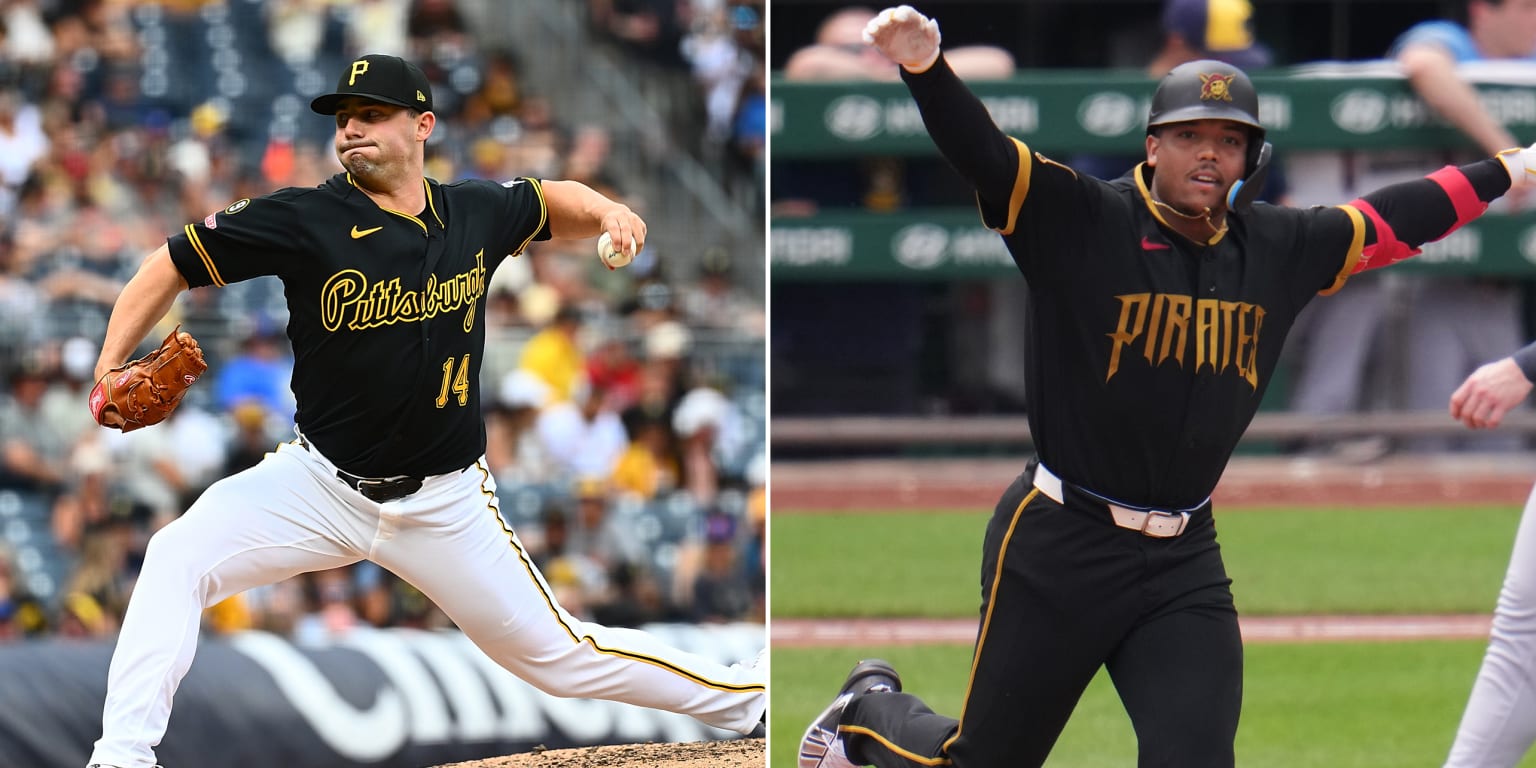
The Pirates made their statement before the first pitch of Friday night's doubleheader. Pittsburgh shipped the 34th overall pick and Triple-A prospect Jaden Woods to the White Sox in exchange for infielder Jacob Gonzalez and left-handed reliever Brandon Eisert. The move signals an organizational choice: win now, improve the roster's immediate depth, and address a bullpen gap created by injuries. By deploying payroll and prospects on veterans rather than prospects, the front office placed a hard valuation on this window.
Both acquisitions arrived in Pittsburgh and were activated between games. Eisert made his debut in Game 2 as a direct fill for rotation depth. Gonzalez, a former first-round pick with notable power from the left side, slides into shortstop coverage during Konnor Griffin's absence and projects as a long-term fit at the position. Manager Don Kelly's pregame emphasis on Eisert's stuff against lefties—a specific tactical advantage—suggests the reliever has been scouted as a weapon against a known weakness, not a generic bullpen arm.
The trade timing felt almost secondary once Esmerlyn Valdez took the field. The Pirates trailed 6-3 in Game 1 when Valdez hit a grand slam in the seventh to reclaim the lead; Pittsburgh won 7-6. In Game 2, Valdez homered in the fourth to spot the Pirates a 2-0 advantage before Bryan Reynolds' sixth-inning single clinched a 3-2 victory. Three home runs across two games from a rookie is a noise signal—a variance spike, not a sustainable rate. The doubleheader sweep matters less for what it tells us about Pittsburgh's true talent level than for what it reveals about how the market may have positioned the series.
For bettors, the Valdez display is instructive in reverse. Rookie power hitters that deliver 3 HR in a doubleheader generate urgency to bet their next props higher—a classic recency trap. Valdez's underlying performance arc (strikeout rate, barrel rate, approach against fastballs in the zone) should determine his true ceiling, not a two-game sample where he faced tired bullpens in back-to-back contests. The Brewers' pitching was not fresh, and the Pirates got fortunate sequencing. Any sportsbook that moved Valdez's HR props significantly higher after this sweep is giving away value; the mechanism driving his performance was contextual (depleted opposing arms, short-series variance), not a shift in his fundamental approach.
The trade acquisition of Eisert carries longer-term relief prop implications. If Eisert earns consistent late-inning leverage, his strikeout lines and opponent splits become exploitable once the market prices him as a generic new arrival. Right now, books are likely treating him as depth and may underprice his K rate if Pittsburgh hands him high-leverage innings against left-handed hitters—exactly what Kelly indicated in his pre-game framing. Monitor Eisert's deployment over the next week; if he's used in the sixth and seventh innings against opposing lineups heavy on lefties, his strikeout prop carries an edge until Vegas recalibrates his role.