De La Cruz Hamstring Sidelines Cincinnati's Best; Arroyo's Louisville Surge Faces MLB Reality
By Erik Schwartz ·
Cincinnati loses its two-time All-Star shortstop to a hamstring strain just as a 22-year-old prospect with elite minor-league metrics takes over at a premium defensive position.
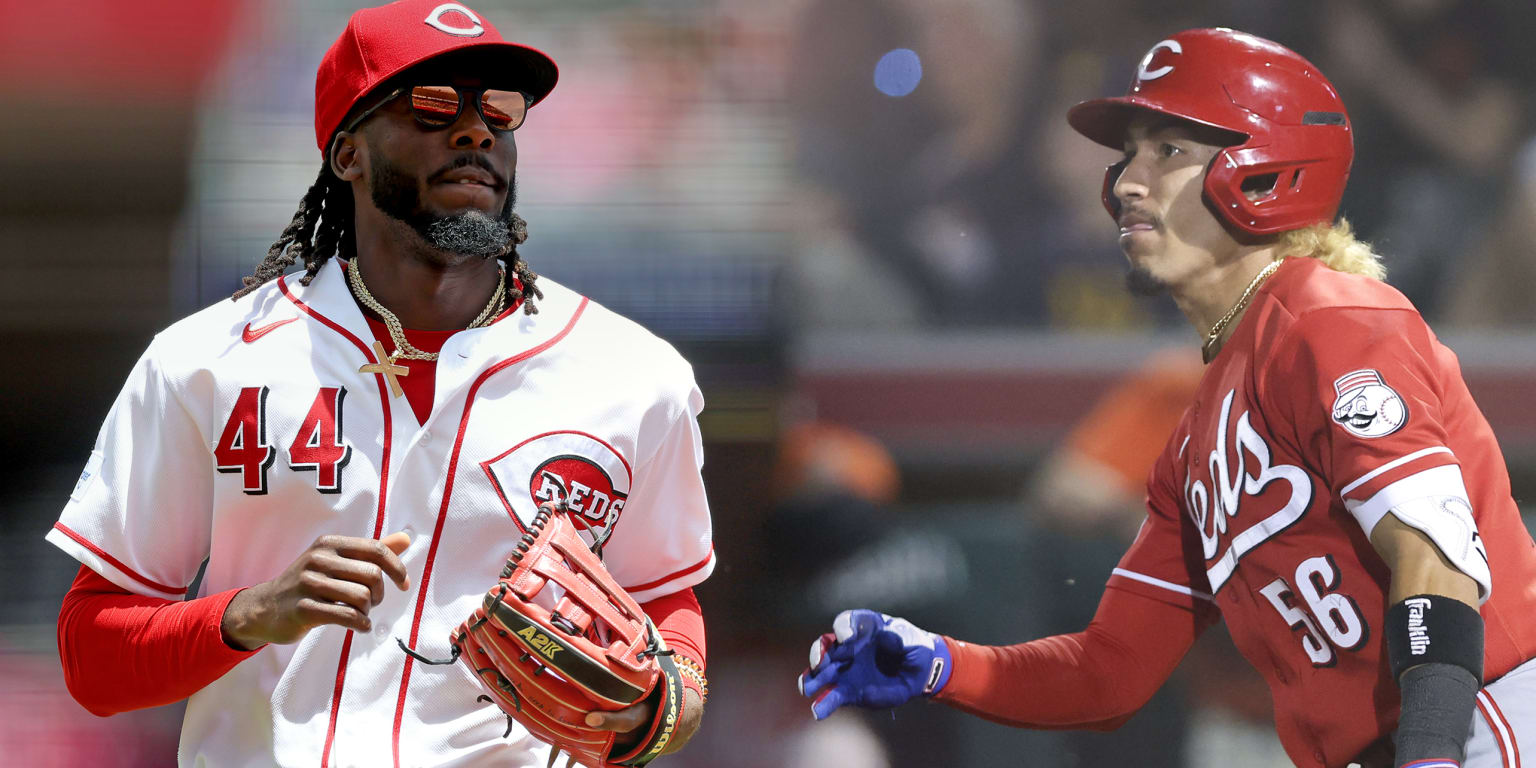
Elly De La Cruz's streak ends not with a bang but with tightness in his right hamstring during Sunday's win over Atlanta. The Reds' 24-year-old cornerstone—a two-time All-Star fresh off 276 consecutive games played—was placed on the 10-day injured list Monday, snapping what had become a durability signature. De La Cruz's optimism immediately after the injury suggested a minor grade, but the IL placement signals the team is taking no chances with a hamstring that, once aggravated, can linger through a season if mismanaged.
The timing matters. De La Cruz was having a season aligned with his pre-injury trajectory: .280 average, .855 OPS, 12 home runs and 10 stolen bases in 58 games. He's tied for the team lead in three offensive categories. His absence leaves a crater in both the lineup's middle-order production and the shortstop defense, a position Cincinnati has increasingly relied on as a strength. The Reds sent 22-year-old Edwin Arroyo to plug the hole—a top-100 prospect by Baseball America standards who's been tearing up Triple-A Louisville.
Arroyo's numbers demand attention: .323 batting average, .945 OPS, 11 home runs and 34 RBIs across 53 games at Triple-A. Those aren't fluky outlier stats; they represent a 100-point OPS jump from his minor-league baseline and suggest genuine development in his hitting approach. Scout reports emphasize his glove—elite range and instincts at short—which means his arrival doesn't signal a defensive downgrade. What it does signal is an offensive question: Triple-A pitcher quality, even in a competitive league, sits well below MLB. Arroyo's .945 OPS will almost certainly compress against big-league fastballs and breaking balls thrown with professional intent.
For bettors, this shift carries immediate implications for Cincinnati's offensive profile. De La Cruz has been a catalyst in run-creation; Arroyo enters as an unknown quantity with upside tempered by youth and a small MLB sample. The Reds' team total and run-line positioning should adjust for a lineup with less proven firepower at a key bat position. If De La Cruz misses more than 10 days—hamstring strains often do—the offensive impact compounds. Arroyo may eventually develop into the prospect pedigree suggests, but the gap between .945 OPS in Louisville and sustainable production in the majors typically spans months, not weeks. Early-line overs on Cincinnati's run production should face scrutiny until Arroyo proves his hitting translates, and until De La Cruz's return date becomes clearer.
The uncertainty cuts both ways operationally: Cincinnati avoids a full-season loss if the hamstring is a two-week injury, and Arroyo's upside could surprise if he avoids the typical rookie adjustment. But from a betting standpoint, the safer play is to fade elevated offensive expectations for the Reds in the near term and reassess once the depth of De La Cruz's absence becomes concrete.