Chase Burns Pitches Through a Water Bottle Wound—and It Matters for Workload Bets
By Ty Whitney ·
A pre-game mishap forced the Reds' ace to grind through 105 pitches with a bleeding right index finger, raising questions about his near-term durability and bullpen dependency.
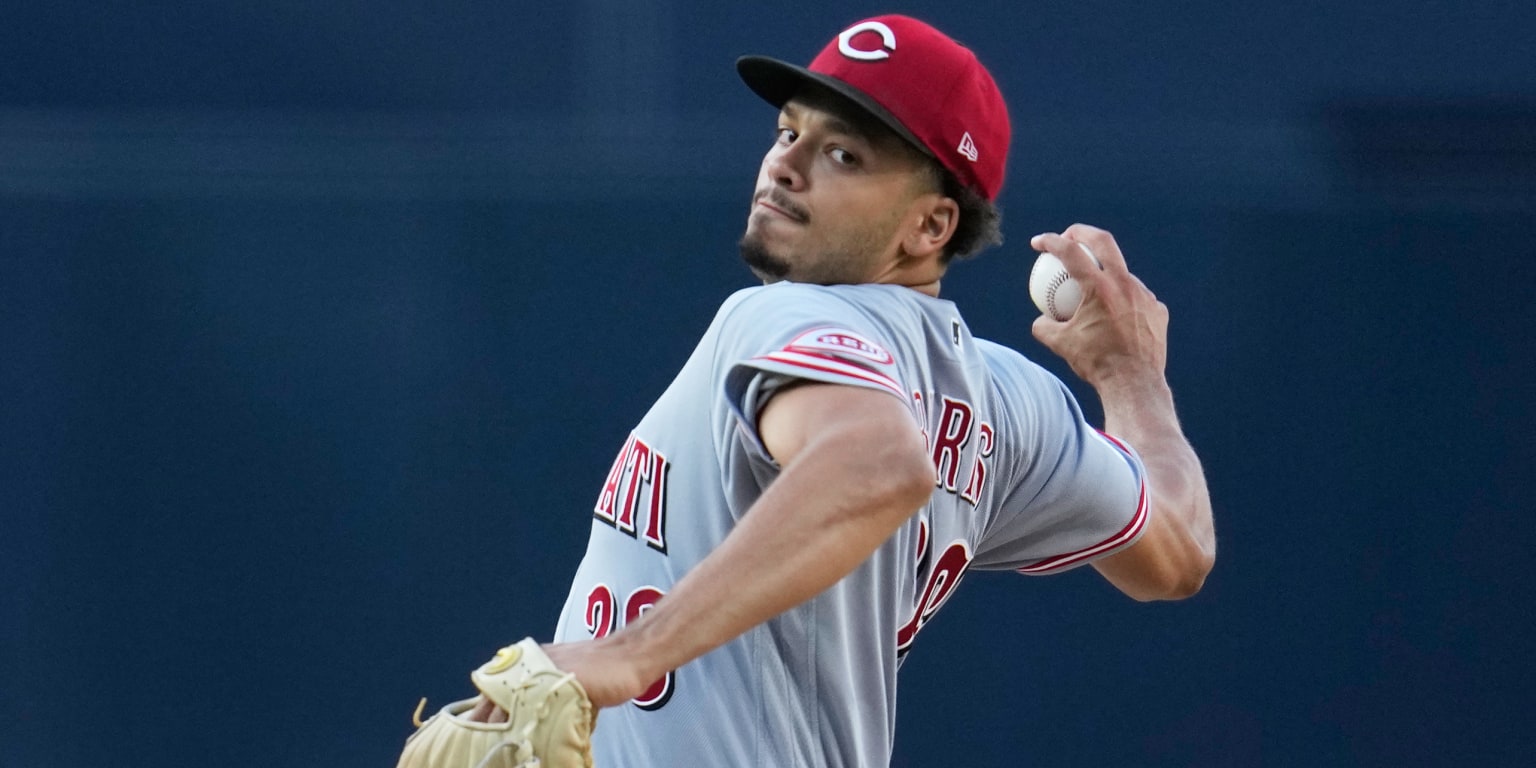
Chase Burns took the mound Tuesday against San Diego with a freshly cut right middle finger—the result of a slipped aluminum water bottle pre-game—and somehow delivered a career-high 105-pitch outing in a no-decision. The Reds eventually won 5-3 in 11 innings, but the surface story masks a more complex reality about what that workload cost and what comes next.
Burns covered 5 1/3 innings, allowing two runs on six hits with seven strikeouts and two walks. The finger, glued shut by the training staff and approved by MLB umpires, bled periodically but didn't visibly affect his mechanics or command. His fastball velocity and breaking-ball location remained intact, which—given the mechanism of the injury on a non-callused part of the finger—is noteworthy. Manager Terry Francona acknowledged the contingency: lefty reliever Caleb Ferguson was on standby pre-game in case Burns couldn't go at all. He did go, hard, because the Reds needed him to. That's the tell.
Burns is having a star-caliber season: 7-1 with a 2.14 ERA across 13 starts, second in the NL in opponents' batting average (.190) and fourth in WHIP (0.99). He's also 12 consecutive starts into a stretch of allowing two or fewer runs, tied for second in Reds franchise history. The surface reads as dominance. But examine the workload context: the fact that Cincinnati had to emergency-fly Chase Petty to San Diego on Tuesday night—because there was genuine uncertainty about Burns' availability—indicates the organization sees him as a high-leverage, high-usage asset they cannot easily replicate. A bullpen that threw 5 2/3 innings of relief in a win signals Burns' injury status forced a wider-than-normal delegation. That same bullpen will shoulder extra burden if Burns' finger worsens or he needs managed rest.
For prop bettors, the angle is multi-layered. First, monitor Burns' strikeout prop in his next two starts—the finger may have reached pain threshold by inning five, and recurrence of bleeding could suppress his max-effort stuff if the cut reopens. A 105-pitch outing on a compromised hand isn't repeatable; expect his pitch totals to normalize downward for the next 1-2 starts while the injury hardens. Second, watch team total unders on Cincinnati games where Burns doesn't start or starts with heavy bullpen pre-positioning; the Reds demonstrated they're willing to punt offensive pressure if Burns is unavailable, and early-game lineups may not generate the same run expectancy. Third, the Reds may skip Burns' next scheduled start entirely if the finger shows signs of re-injury—track bullpen usage patterns and roster moves as proxies for that decision. The organization has already signaled caution by recalling Petty and optioning McCambley, a precautionary shuffle that telegraphs concern about depth.
Burns is too talented and too young (23) to see lasting decline from a paper-cut mishap. But the injury introduces variance into a previously predictable workload. That variance is where edges live.