Red Sox Rotation Carries Sweep Bid Into Sunday; Bennett Extends Elite Streak
By Erik Schwartz ·
Boston's pitching depth is masking a 35-46 record—and creating a short-term edge in the Wild Card math.
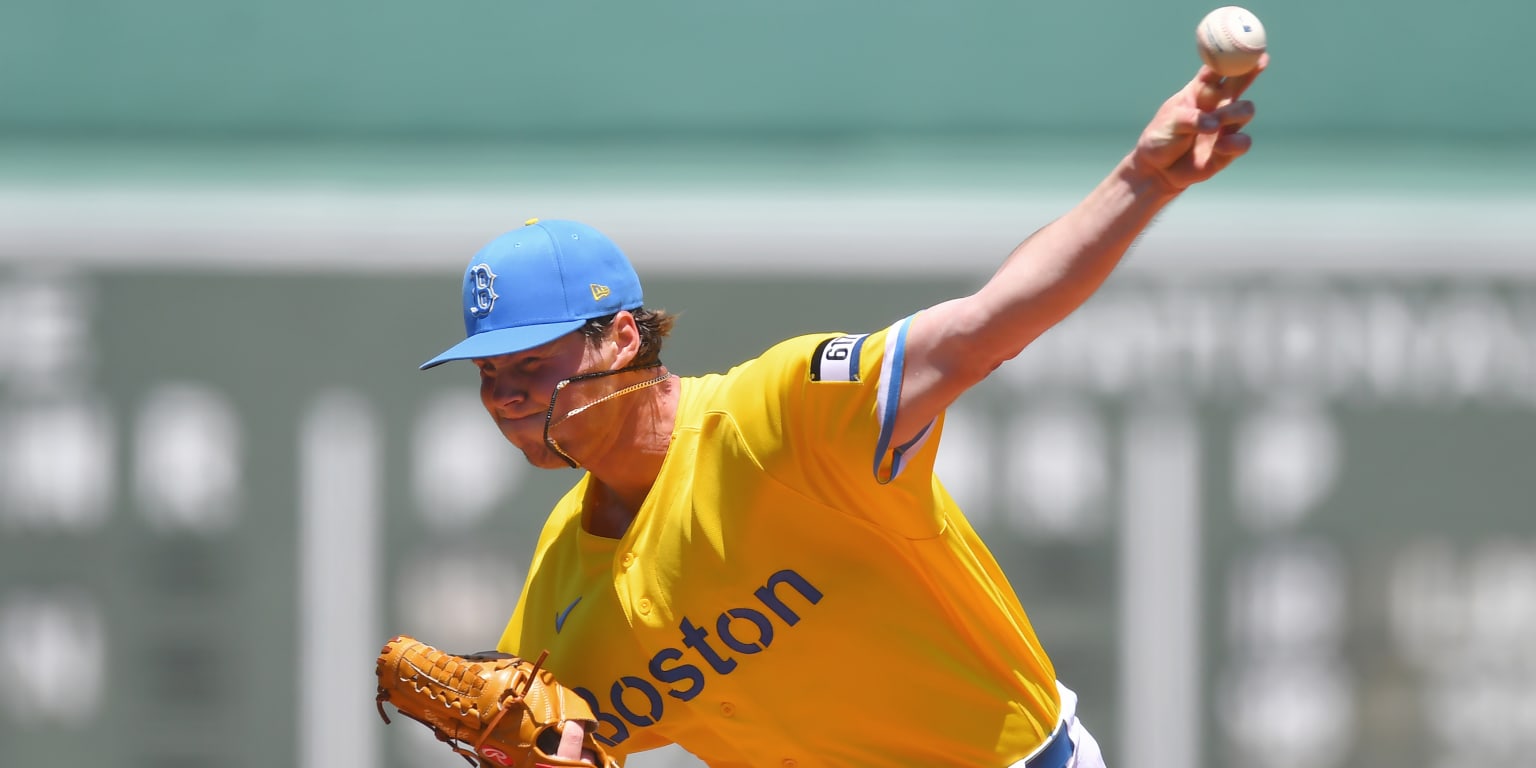
The Red Sox beat the Yankees 4-1 on Saturday to extend their winning streak to three and move to within one win of a four-game sweep, a rarity in Fenway that would mark genuine forward momentum for an interim manager and a roster that entered June on pace for 70 wins. The story isn't the sweep bid itself—it's the underlying rotation dominance that's made this run possible. Jake Bennett, a rookie starter, tossed 6 1/3 innings of three-hit ball with a 1.69 ERA backdrop across the team's last 10 consecutive quality starts, the first such streak since 1988. That 1988 run lasted 14 games from April 8-25; Boston's current streak stands at 10 and remains active.
The context matters more than the three-game sample. Boston's front office didn't plan for a 35-46 record at the season's midpoint, but the pitching infrastructure—particularly a rotation that now includes three rookies executing at major-league caliber—is authentic. The American League Wild Card race remains unsettled enough that a team within 10 games of a postseason slot can theoretically inject itself back into contention with a 20-game run. That calculation changes materially if the Red Sox can sustain quality starts: a 1.69 ERA over sustained volume compresses opponent run-scoring in a way that makes even a .500-caliber offense functional.
Bennett's performance Saturday—three hits, one run, 6 1/3 innings—sits at the heart of this efficiency. He's a rookie, so variance is baked in, but the quality-start streak itself isn't a mirage; it reflects execution across five or six arms, not one breakout. If the Red Sox can keep that ERA in the low-to-mid 2s for the next four weeks, their pitching becomes a live edge in tight games regardless of offensive output.
For prop purposes, the edge lives in team totals and unders when Boston is favored or in close contests. A 35-46 team sitting at the break normally sees inflated team totals because sportsbooks haven't yet repriced the pitching durability. The market likely prices Boston's team total (assuming they're not heavy favorites) as if the rotation remains at season-long ERA of 3.80-plus. But if Bennett, the other two rookies, and the veterans maintain the 1.69 clip through early July, that discount tightens fast. Take unders on Boston team totals in the next 10-14 days, before bookmakers fully incorporate this 10-game quality-start streak into their preseason models. This edge is temporary—it fades once the market catches up—but it's real right now.
Anthony Seigler's first career home run and Masataka Yoshida's rebound from a .450 OPS in June are secondary. Yoshida's single day doesn't break a month-long slump, and Seigler's at-bat results matter far less than Bennett's innings pitched. The Sunday Night Baseball finale gives Boston a chance to complete a rare sweep, but the true takeaway is that Boston's pitching staff has entered a zone where the team can afford to play small-ball baseball and still win games. That's a betting edge that persists until the market recognizes it.