Nationals Offensive Discipline Is Becoming a Systematic Edge, Not a Hot Streak
By PropBetEdge Editorial Team ·
Washington's sixth five-run inning this season reveals a coaching-driven plate approach that's reshaping how to bet team totals against middling pitching.
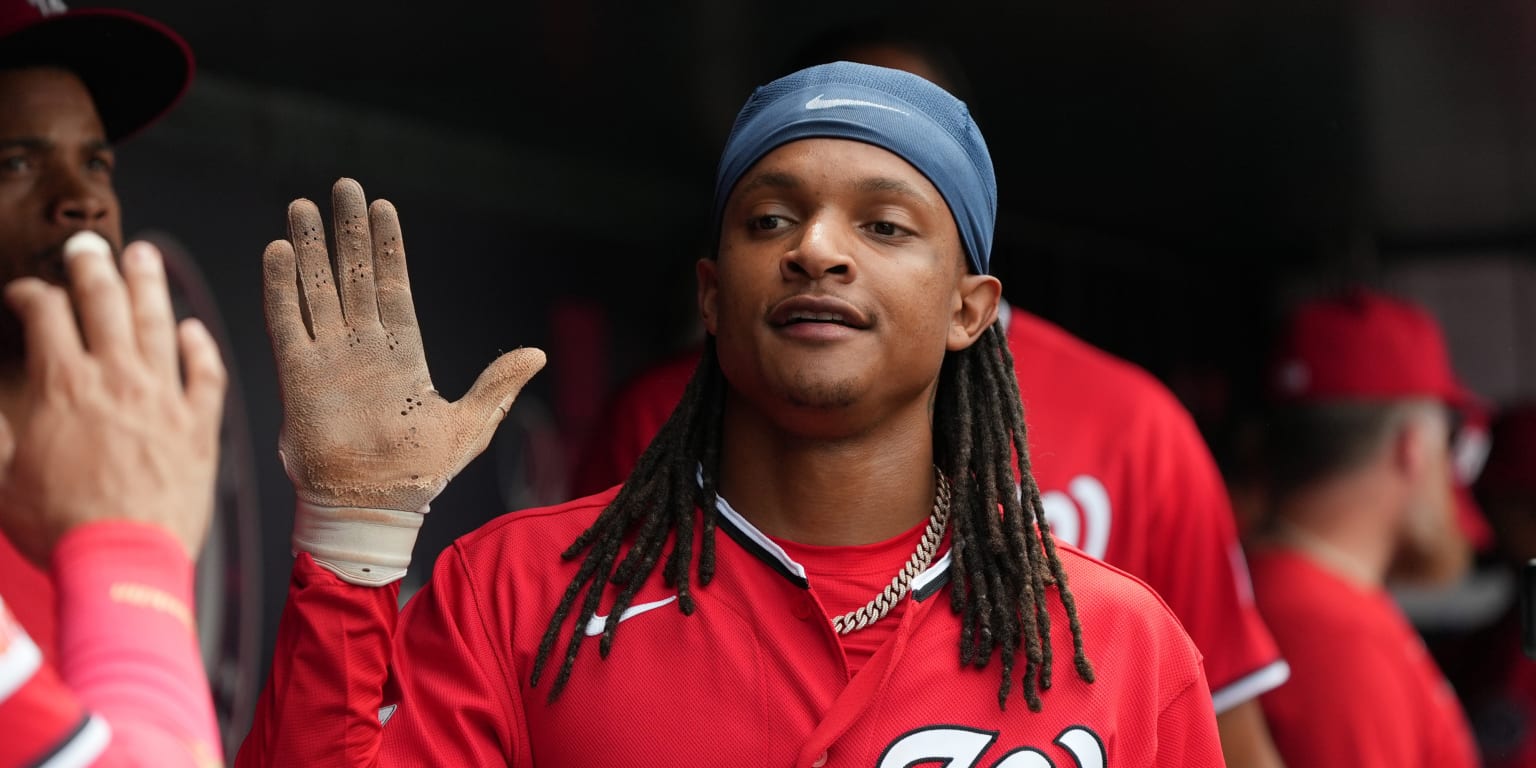
The Nationals dismantled the Mariners 10-1 on Sunday with a five-run fourth inning that looked deceptively simple on the surface—10 batters, five straight hits, and the game effectively over by the fifth. But the architecture of that inning matters more than the final tally. Dylan Crews took two balls before lining a sinker into left field for a double. CJ Abrams worked the same two-ball count and singled up the middle. Keibert Ruiz, Daylen Lile, and Nasim Nuñez each jumped on first-pitch fastballs for RBI hits. The pattern wasn't randomness or heat; it was systematic patience meeting pitcher desperation.
Washington's offense now leads the majors in runs (392) and RBIs (371), and those numbers reflect something more durable than a winning month. This is the team's 11th series win in 16 sets since April 26, anchored by a new coaching staff whose plate-discipline philosophy has measurably stuck. The Nationals have now manufactured five-run innings six times already this season—that's not volatility, it's a skill. When you bring 10 batters to the plate in a single frame that many times, you're not getting lucky; you're executing a repeatable approach. The heat in Washington (temps in the 90s, over 10 degrees above average for mid-June) may have loosened the Mariners' grip, but Hancock's collapse in the fourth—forced off his sinker and into his four-seamer when behind in counts—happened because hitters were working counts and punishing mistakes.
For betting purposes, this distinction is crucial. Nationals team totals have likely already adjusted upward after weeks of above-expectation run production. Books account for recent performance quickly. But the causal mechanism here—disciplined pitch selection combined with a staff teaching better timing—survives line movement because it's not a hot streak dependent on three-run homers or wild fortune. When the Nationals face mediocre or fringe starters (Hancock threw 68 pitches through four innings), their structured approach to working counts creates a compounding edge: more pitches seen, more elevated fastballs to attack, more baserunners. Ruiz's solo homer in the seventh and Wood and Young's RBI doubles in the eighth came against a pitcher already unraveled, which is what you'd expect when a team depletes a starter's pitch mix before the fifth inning.
The risk to overs on Washington's team total isn't the offense—it's whether books have already priced the Nationals into the 5.5+ range for games against sub-average or desperate starters. If tonight's total opened at 4.5 and closed at 5.0 or higher, the edge has already migrated. But in matchups where Washington faces a true mid-tier starter (not a Hancock-type collapse) and the total sits below 4.75 before first pitch, the team's demonstrated ability to engineer five-run frames through discipline and pitch selection makes over bets worth targeting. The coaching adjustment is real. The question is whether the market has fully internalized how often it will repeat.