Astros' Offensive Collapse and AL West Tiebreaker: Why Houston's Final 10 Games Demand Urgency
By PropBetEdge Editorial Team ·
After a 3-7 skid that tied them with Texas at 76-76, the Astros face a brutal offensive reckoning with the division still within reach.
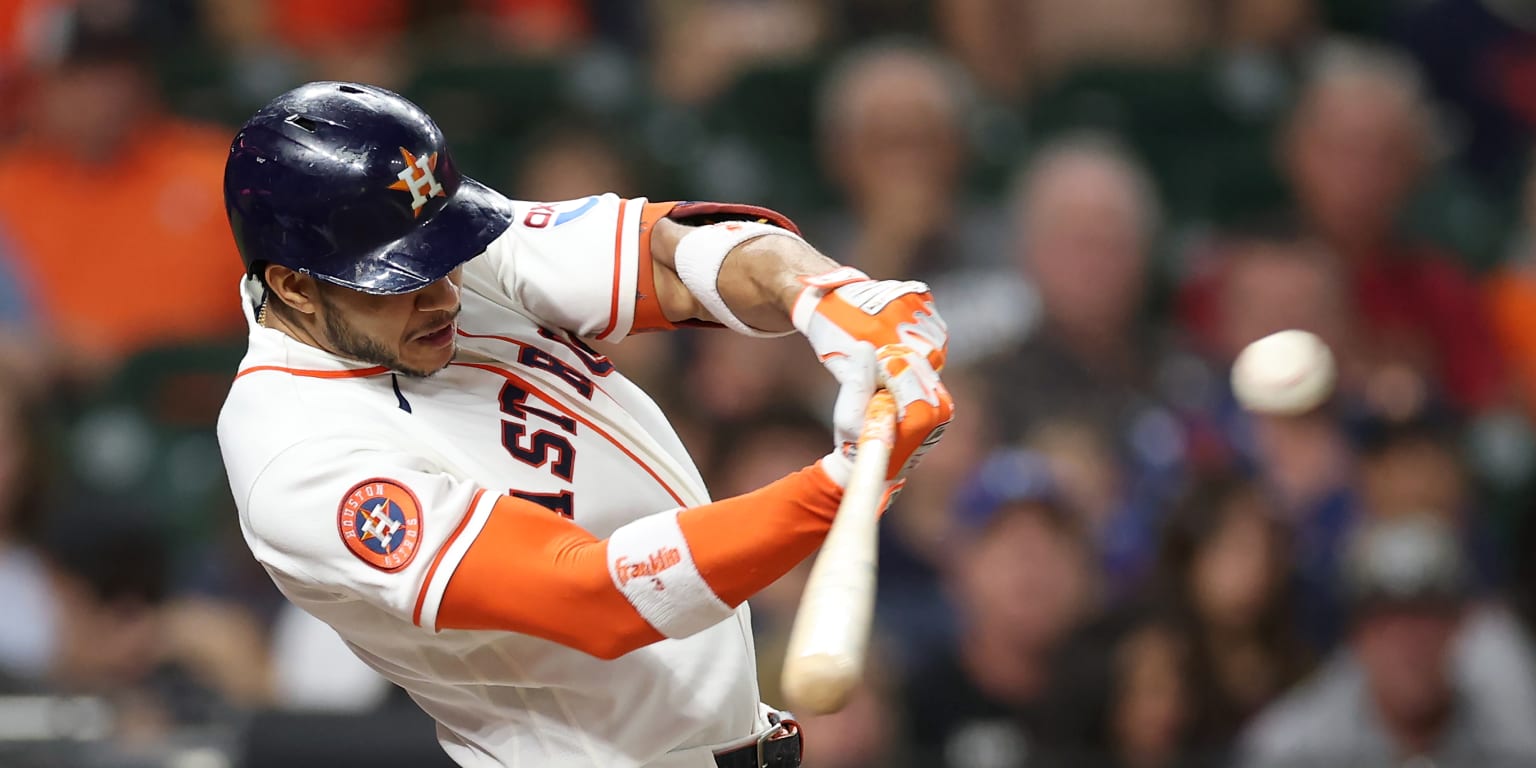
The Astros have 10 games left to salvage a season that looked destined for dominance three weeks ago. A 5-2 loss to Kansas City on Wednesday dropped Houston into a first-place tie with the Rangers at 76-76, capping a 3-7 stretch that dismantled what was a three-game division lead. The math is stark: Houston hasn't been below .500 since August 28, and they're now scrapping for a playoff spot that looked secure when they swept Texas in late July.
The offense has become the liability that no statistical adjustment can hide. Since August 3, the Astros are hitting .221/.291/.382 while averaging 3.8 runs per game—a 45-point drop in batting average and a 91-point collapse in slugging percentage compared to their first-half pace. Wednesday's loss was textbook: zero hits in nine at-bats with runners in scoring position, one baserunner past second base through seven innings, and Jeremy Peña stranded at third after his double. Peña has stolen six of Houston's last 12 hits across the first two games of this Kansas City series, which underscores how depleted the supporting cast has become. Christian Walker is mired in an 0-for-19 stretch. Yordan Alvarez, despite a two-run homer on Tuesday, looks nothing like the player who carried the lineup through July and into early August.
The division picture hinges partly on scheduling and partly on a tiebreaker that already favors Houston. The Astros own a 9-4 record against Texas in their season series and control the tiebreaker, meaning Texas would need to finish one game ahead to claim the AL West. Both teams face identical remaining strength of schedule, though Houston still has to navigate a weekend series against the Braves while finishing on the road at Seattle and Oakland. The Rangers have seven home games left, including series against sub-.500 competition in Toronto and New York. If the Astros can't generate more than 3.8 runs per game over the final 10, the tiebreaker becomes moot—Texas will simply run them down.
From a wagering standpoint, Houston's team totals have room to move in one direction only: lower. The Astros have posted run production 1.8 runs below their preseason projection over the last 45 days, a gap that reflects a genuine offensive crisis, not variance. Peña's recent uptick is noise against the broader backdrop: Alvarez's decline is structural (aging bat at the plate, possible injury deterioration, or tactical adjustment by opposing defenses), and the depth hitters—Walker, Mauricio Dubón, and spot starters—haven't compensated. Sportsbooks will price Houston's team totals assuming some regression-to-mean in the final week, but the mechanism here is real: this offense has forgotten how to execute with runners in scoring position. Team totals under 4 runs carry value for the remainder of the season because the Astros haven't shown the capacity to climb back to their early-August baseline of 4.6 runs per game. Their final 10 opponents (Royals twice, Braves, Mariners twice, A's four times) have defensive profiles that will continue to suppress Houston's opportunities in high-leverage at-bats.
Manager Joe Espada said "Win tomorrow" after Wednesday's defeat—a directive that sounds like urgency but reads like anxiety. The Astros' path is narrow. The Rangers' is wider. Until Houston's top-four hitters prove they can string together consecutive games of productive plate appearances, team totals unders remain a reliable expression of this team's current operational reality.