White Sox Call Up Nishida: Roster Shuffle Signals Lineup Restructuring
By Ty Whitney ·
Chicago's promotion of the 25-year-old second baseman from Triple-A signals a shift in how the team approaches offensive depth and on-base construction.
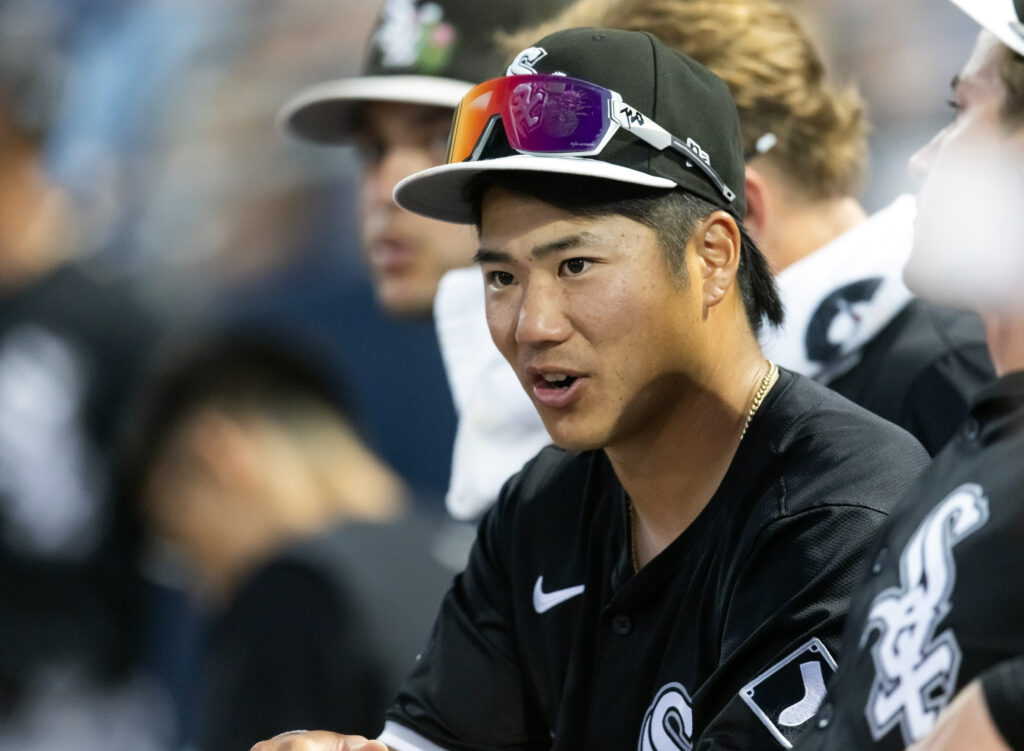
The White Sox will promote Rikuu Nishida from Triple-A Charlotte before Monday's game against Minnesota, per Ian Eskridge of FutureSox. The move requires corresponding adjustments to Chicago's 26-man and 40-man rosters, with Nishida's first major-league opportunity arriving after sustained success in the minors as an on-base threat.
Nishida, 25, has built his calling card on plate discipline and contact rates rather than power volume. That profile matters for how Chicago slots him into the lineup and what his presence signals about the organization's immediate offensive strategy. Teams don't call up utility-position players with low slugging percentages unless the offense needs either speed in the running game or a stabilizing presence that reduces strikeouts and raises contact rates against spin-heavy pitching. The timing—mid-May promotion rather than a September emergency fill-in—suggests the White Sox view him as a structural contributor, not a temporary patch.
For prop bettors, Nishida's insertion reshuffles Chicago's lineup construction in ways that affect not just his own lines but the team's offensive efficiency. If he's occupying at-bats that previously went to higher-strikeout options, team strikeout totals drop and team on-base percentage rises, which typically correlates with lower run environment. Conversely, if his presence signals the team is moving on from underperforming veterans, the bench and lineup flexibility improves, potentially opening run-scoring windows in specific matchups. The market hasn't yet priced a structural change; books are waiting to see deployment patterns across his first 3-5 games before adjusting team totals or game lines.
Watch Nishida's first-week usage rate closely. If he bats 6th or 7th against Minnesota, that's a signal the White Sox see him as an everyday player. If he DH-shuffles or sits on rest days, he's a spot starter. His strikeout rate and walk rate in Triple-A should match or exceed league averages for a prospect call-up; if his minor-league K/9 sits below 8 and his BB/9 exceeds 4, that's a real on-base advantage worth tracking against righties. Chicago's team strikeout total—if it adjusts at all—will be the most durable prop angle in the short term, as a single player's insertion is noise until deployment stabilizes. But the early games offer value for bettors who identify whether Nishida bats in front of or behind power hitters; his OBP value multiplies if he leads off or bats 2nd, and shrinks if he's buried 7th.
The White Sox haven't signaled any immediate starting IX changes around Nishida, meaning his impact will be measured in cumulative strikeout reduction and contact quality rather than explosive run-scoring spikes. For the next 48-72 hours, Chicago's team strikeout total remains vulnerable to unders because the market hasn't fully accounted for Nishida's contact discipline replacing a higher-strikeout bench option. Once deployment patterns emerge across his first weekend, that edge evaporates.