White Sox Call Up David Sandlin: A Depth Pitcher in Transition
By Erik Schwartz ·
Chicago promotes the 25-year-old right-hander for his MLB debut, but limited track record and unclear role complicate early betting exposure.
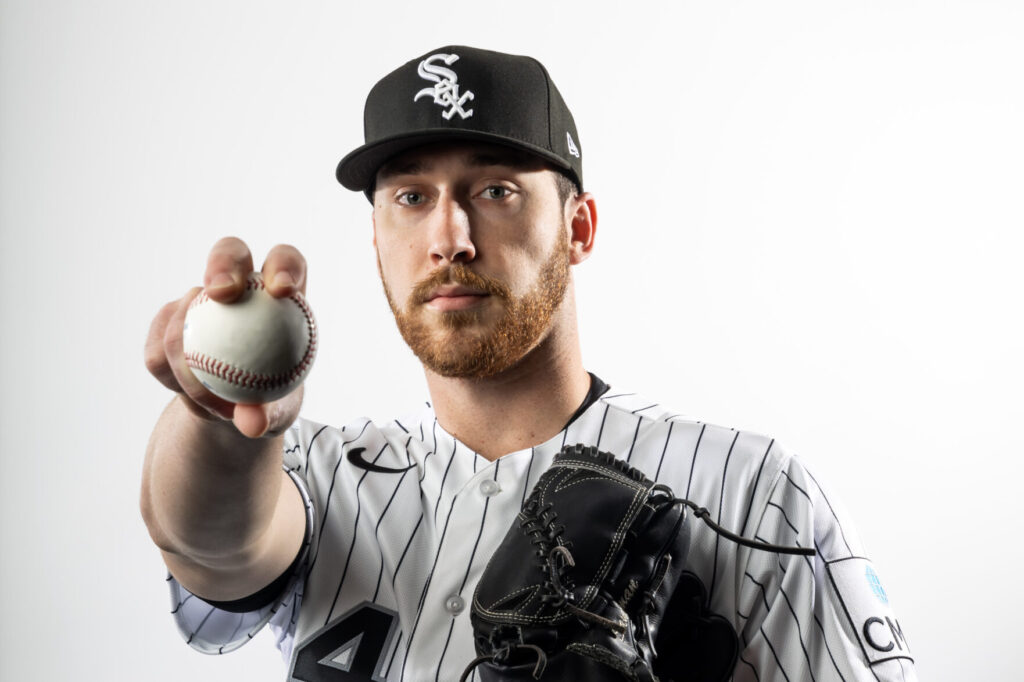
The White Sox are calling up right-hander David Sandlin for his major league debut, per reports from Elijah Evans of Just Baseball and James Fegan of Sox Machine. The 25-year-old was already on Chicago's 40-man roster; the team will clear a spot on the active roster to accommodate him. This marks the next step in Sandlin's path from prospect to big-league contributor.
Sandlin's promotion reflects Chicago's ongoing roster management rather than a sudden organizational confidence spike. The White Sox have cycled through multiple pitching options in 2026, and Sandlin enters as a depth piece rather than a front-line starter or high-leverage reliever. His Triple-A performance—while functional—hasn't generated the kind of peripherals (strikeout rate, walk suppression, ground-ball rate) that would suggest immediate MLB dominance. Teams don't call up prospects to the major leagues because their minors numbers are compelling; they promote them because the alternative (current roster depth) is worse.
For betting purposes, Sandlin's debut introduces noise into White Sox pitching matchups over the next week. Early exposure to a rookie pitcher on a limited sample—one or two appearances—carries high variance. His strikeout prop, walk rate, and any earned-run lines will be priced with substantial uncertainty, which typically favors the sportsbook. The market will price conservatively (wider spreads, higher juice) until Sandlin accumulates meaningful innings. Single-start props on a debut pitcher rarely carry exploitable edges; the book's uncertainty premium is the house protecting itself, not an oversight.
The more durable angle centers on White Sox team total movement if Sandlin enters as a starter in place of a tired or injured incumbent. If he slots into a rotation spot currently held by someone with demonstrably worse metrics, Chicago's run-scoring environment improves marginally—not because Sandlin will be dominant, but because his offense gets more at-bats against lesser opposition than they would facing a higher-tier starter. This is secondary and requires confirmation of the specific matchup context. Without knowing which start Sandlin fills or against which team, isolating a clear prop edge is premature.