White Sox Gamble on Urquidy as Deadline Deadline Approaches
By PropBetEdge Editorial Team ·
Chicago acquires a Tommy John survivor on a one-week audition before the August 3 trade deadline.
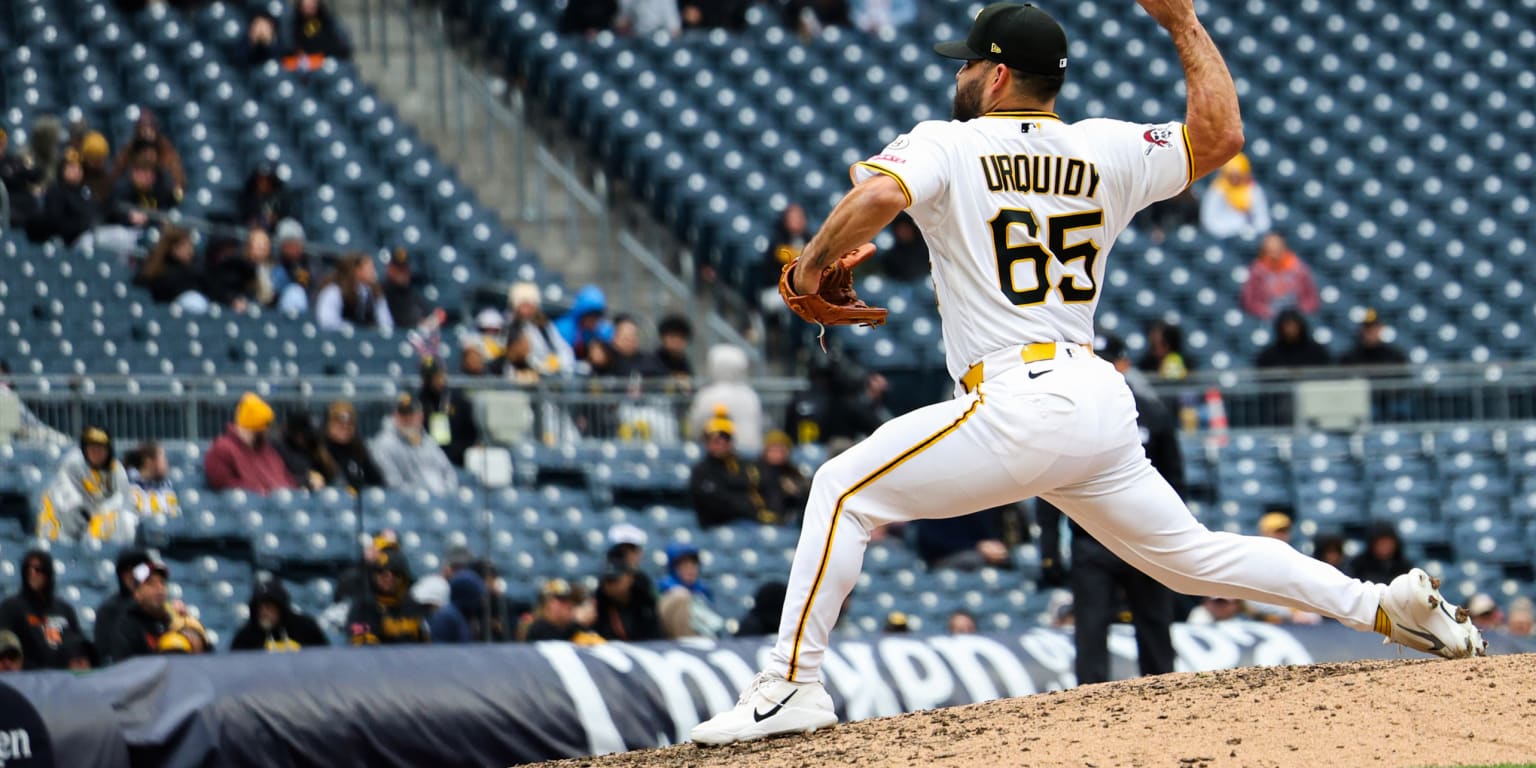
The White Sox are acquiring right-hander José Urquidy from Pittsburgh, betting that change of scenery and the cushion of a rebuild can resurrect a pitcher in freefall. Chicago sent 21-year-old prospect Felix Doroteo to the Pirates in exchange—a move that signals front-office urgency with the trade deadline eight days away.
Urquidy's velocity cratered in Pittsburgh. The 31-year-old posted an 8.53 ERA across six appearances for the Pirates before being designated for assignment Friday, a stunning collapse for a pitcher who spent four productive seasons with the Astros (2019-23) posting a 3.54 ERA over 74 games. His journey backward—Tommy John surgery in 2024, a brief stint with Detroit last season, now a fire-sale acquisition—reads like cautionary tale about recovery windows and organizational patience. But the White Sox aren't banking on a full reclamation. They're banking on a single viable performance, or a low-stakes audition for a club that has nothing to lose.
The trade deadline mechanics matter here. With eight days to evaluate Urquidy, Chicago gets two or three starts to assess whether he can function as a back-end starter or bulk reliever down the stretch. If he produces competent innings, the White Sox can flip him to a contender at the deadline for modest return. If he continues to unravel, they've sunk a low-upside prospect into a lottery ticket and move forward. That asymmetry—minimal downside, tail-risk upside—is the entire value proposition of a deadline-adjacent reclamation play.
For prop bettors, Urquidy's next start(s) present a trap door. Sportsbooks will price his strikeout total conservatively, understanding his ERA crisis and age-related wear. But a single mediocre outing—5 innings, 3 earned runs, 4-5 strikeouts—will satisfy the White Sox's threshold and reset his narrative for the waiver market. Taking the under on his K prop in his first appearance is the sharper angle. He's not suddenly throwing harder or inducing swings-and-misses differently than he did in Pittsburgh. He's just wearing a different uniform in a lower-leverage situation. Unders on his strikeout totals carry an edge if books over-index on desperation pricing and assume a sudden performance inflection. The mechanism is simple: velocity doesn't return in eight days, and strikeout rate is velocity-dependent.
The broader White Sox pitching texture also shifts, though modestly. If Urquidy claims a rotation slot, he's replacing someone in the depth chart. Chicago's team ERA will likely tick up, not down—a veteran arm in decline is a net-neutral or mildly negative addition to a mid-tier rotation. Fading White Sox pitching totals over their next week makes sense on the baseline, independent of Urquidy's ceiling.