White Sox Add Grichuk as Hays Heads Back to IL With Calf Strain
By PropBetEdge Editorial Team ·
Chicago's outfield situation just got reshuffled again — and the roster math has real implications for a team total line that's already been one of the league's trickiest fades.
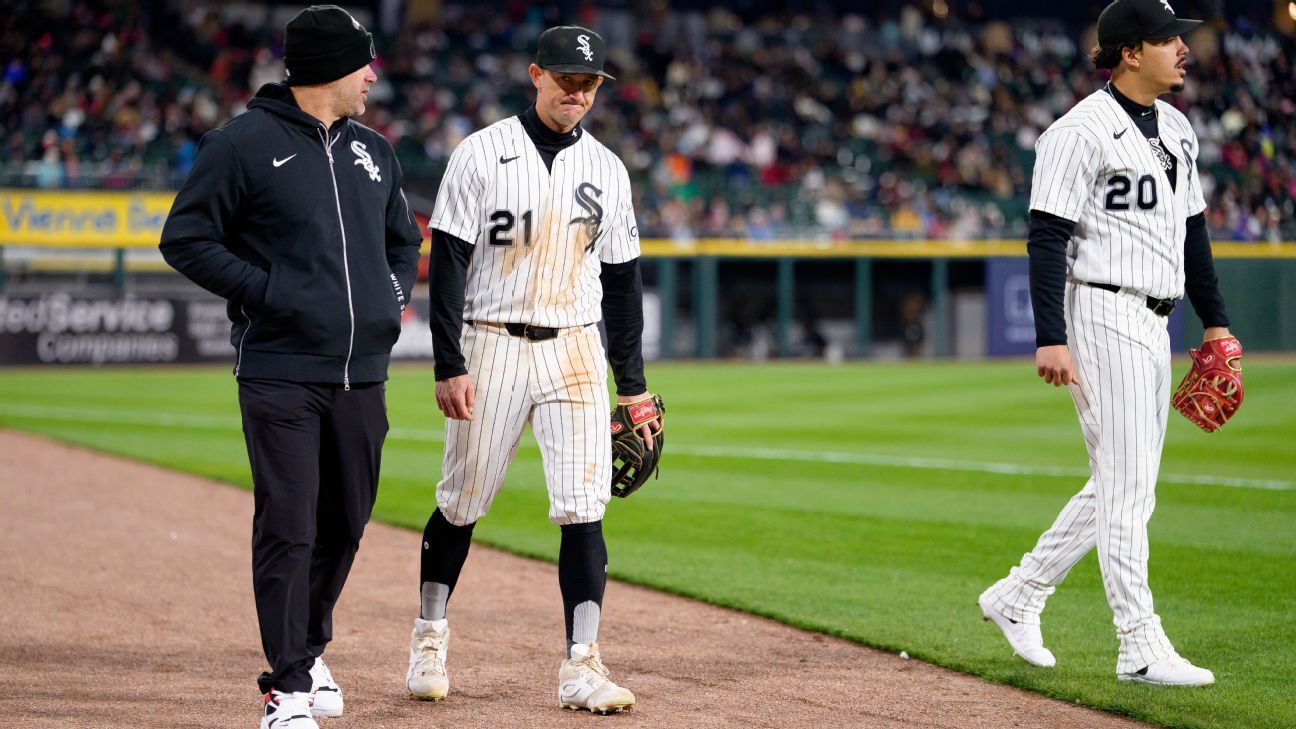
As ESPN reported, the Chicago White Sox signed veteran outfielder Randal Grichuk to a one-year, $1.25 million deal Monday and placed Austin Hays back on the 10-day IL with a left calf strain. Hays had only just returned from a right hamstring issue that cost him most of April, appeared in three games, and is now expected to miss at least two more weeks. The revolving door in Chicago's outfield is spinning again.
Grichuk, cut loose by the Yankees via DFA last week, fills a specific and legitimate need. Manager Will Venable wanted a right-handed bat capable of handling left-handed pitching, and Grichuk has earned that reputation over 13 seasons. Against southpaws, he's a career .268 hitter with an .816 OPS across more than 1,500 at-bats — and over the 2022–24 stretch, he elevated that to a .317 average and .940 OPS. That's not a platoon filler; that's a genuine weapon in the right matchup. At 34 and on a minimum-adjacent deal, Grichuk isn't being asked to carry anything — just punish lefties when the lineup card calls for it.
The broader White Sox context matters here. This is not the same 100-loss franchise that became a punchline. Chicago entered Monday at 16-18, buoyed heavily by first baseman Munetaka Murakami, who has launched 13 home runs and driven in 26 runs already. The organizational rebuild has real momentum, and adding a proven platoon piece — rather than promoting a fringe prospect — signals that the front office is managing this roster to win now, not just develop talent.
For bettors tracking Chicago's team total, this roster move cuts two ways. Losing Hays removes a switch-hitter who can affect run production from both sides of the plate. Grichuk replaces him as a platoon-dependent asset — potent against lefties, exploitable against righties. On nights when the White Sox face a right-handed starter, the offensive ceiling drops a notch. Watch the opposing pitching hand before committing to a Chicago over. In righty-vs.-righty spots, the Grichuk-Hays swap is a net negative for run production, and team totals set at 4 or 4.5 deserve a harder look from the under side. When a lefty takes the mound opposite Chicago, Grichuk slides in as a legitimate run-scoring threat, and the over becomes more defensible.
The Hays injury also keeps Chicago's outfield depth thin enough that lineup construction will remain fluid. That unpredictability creates variance around any individual White Sox hitter's prop — particularly hits and total bases lines, where lineup spot and handedness matchup are the two biggest pricing inputs. Until Hays is back and the outfield stabilizes, fade White Sox team totals in righty-vs.-righty matchups and treat the roster as incomplete.