Montgomery's Debut Walk-Off Joins Rarified MLB Company—And Signals White Sox Momentum in Crowded AL Central
By Ty Whitney ·
A rookie's impossible first game has Chicago surging at home and within striking distance of Cleveland.
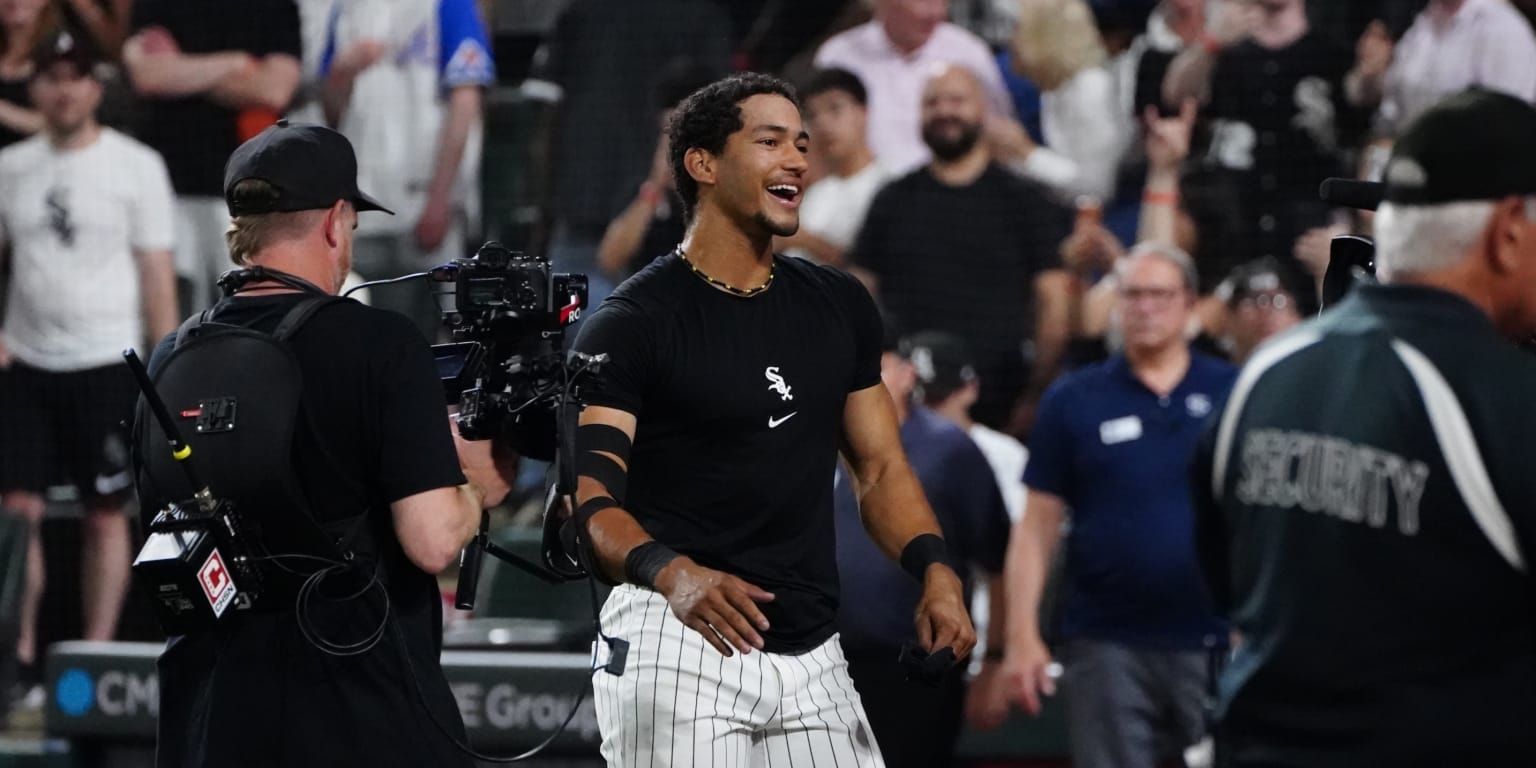
Braden Montgomery became the fifth player in MLB history to hit a walk-off home run in his debut, launching a two-out opposite-field shot off Raisel Iglesias in the 10th inning Tuesday night to lift the White Sox past Atlanta 6-5. It was Montgomery's second hit of the evening—he'd singled home a run in the fourth—and the exclamation point on a debut that, statistically, belongs in the conversation with only four others across 150 years of professional baseball.
The historical rarity matters less than what it reveals about Chicago's trajectory. The White Sox have won 17 of their last 20 games at home and sit at 35-31 overall, a half-game behind Cleveland in the AL Central. That record is deceptive in one direction: Chicago is actually one win ahead of the Indians in the loss column, meaning the division is tighter than the standings immediately suggest. Montgomery's call-up represents the latest thread in what had been a Crochet trade windfall—the deal that sent the ace to Baltimore has seeded Chicago's roster with young talent, and Montgomery is the most visible proof that the front office's restocking strategy is beginning to bear fruit in the major leagues, not just the farm system.
Atlanta's two-run homer from Matt Olson in the first—one of two he hit Tuesday—had staked the Braves to an early 4-0 advantage. Olson's third-inning bomb off Grant Holmes signaled a pitching mismatch Chicago couldn't sustain. But the White Sox clawed back through Antonacci's walk, Miguel Vargas's two-run shot (his 16th), and Jacob Gonzalez's go-ahead single in the seventh. This is not a team folding under pressure in extra innings; this is a team finding ways to extend games and walk them off. Home-field advantage in a crowded division is an edge worth quantifying.
For bettors, Montgomery's debut performance—and the broader home-field dominance it exemplifies—creates an immediate angle. Chicago's 17-3 record at home over their last 20 games represents a .895 winning percentage, well above their overall .530 mark. That gap is neither random variance nor sustainable at that rate, but it does signal a genuine home environment advantage that the market may not have fully repriced into White Sox home totals. The specific mechanism: Chicago's bullpen has been stronger at home (fewer inherited runners, tighter pitching in leverage spots), and their lineup has shown improved two-strike approach and extra-inning execution. Vargas's home-run stroke and Antonacci's on-base skills have been disproportionately productive at Guaranteed Rate Field. The risk to fading Chicago's home team total is real, but the data supports a contrarian play: overs on White Sox home games have been undervalued relative to their .895 win rate and run-production patterns in their building.
Montgomery's entry into the fifth-member club will generate heat in prop markets—expect his home-run line to shift up, and his debut narrative to inflate rookie-hit totals in the near term. That's a retail trap. The real edge is not on Montgomery individually (he'll see variance immediately) but on the White Sox team total at home, where the underlying foundation—bullpen, splits, division proximity—suggests the 17-3 run is grounded in something more than noise.