White Sox Ninth-Inning Escape Reveals a Deeper Vulnerability in Seattle's Closer Usage
By Ty Whitney ·
Chicago manufactured a 2-1 comeback win in the ninth against the Mariners, but the real story is how Seattle handed a high-leverage situation to a cold relief arm instead of trusting their best stuff when it mattered most.
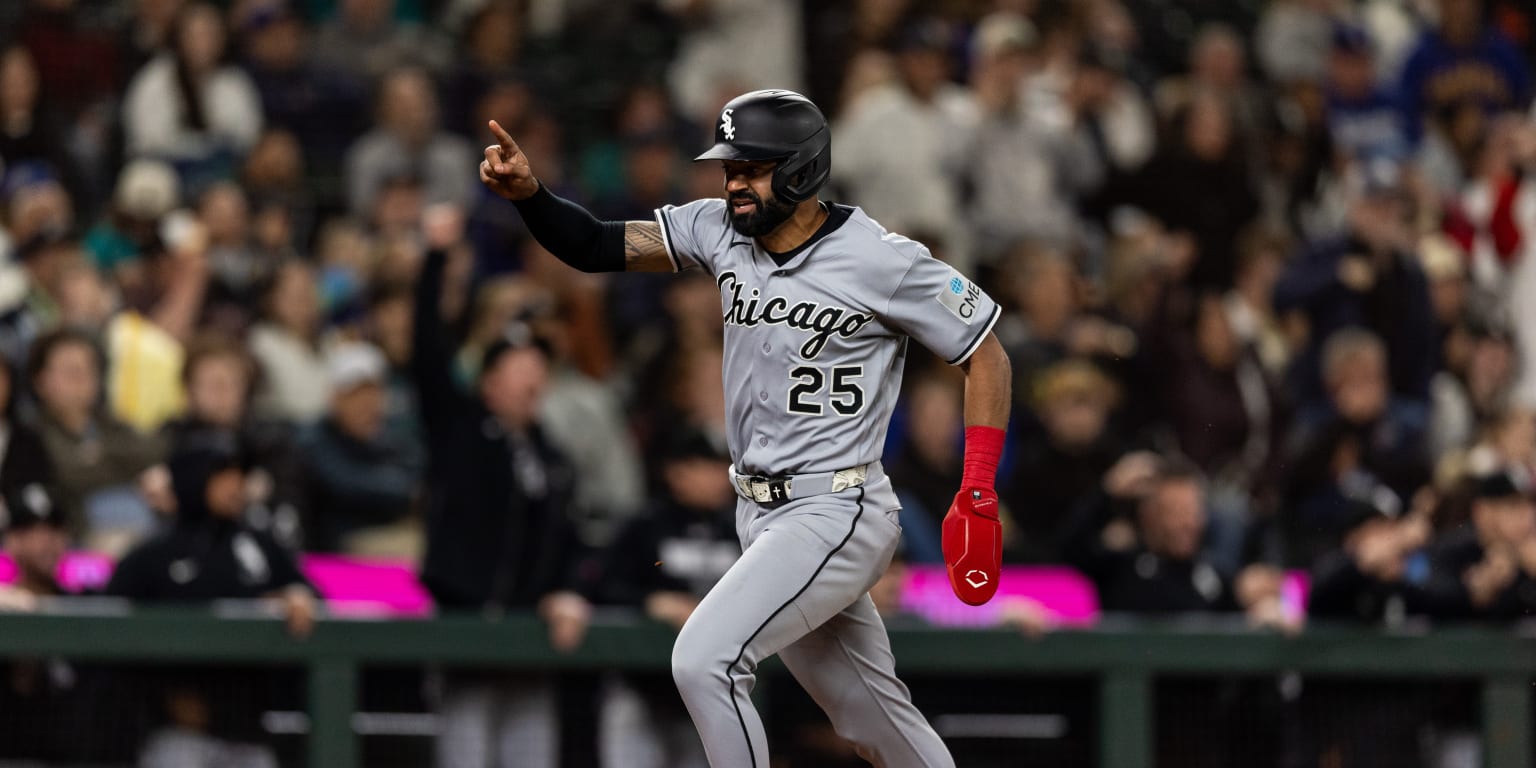
The White Sox entered the ninth inning of Tuesday's game at T-Mobile Park down a run, having managed just two hits through eight innings against Bryce Miller and the Mariners' bullpen. What followed was a textbook high-pressure execution: Munetaka Murakami worked a walk, Miguel Vargas took a pitch to the hand, and after Andrés Muñoz was brought in to close, Chicago executed a double steal. Chase Meidroth tied it with a single, and Andrew Benintendi followed with another hit that squeaked past Josh Naylor at first, allowing Vargas to score the go-ahead run. Grant Taylor locked down a save with three strikeouts in the ninth, and the White Sox walked away with a 2-1 victory.
But the mechanics of that ninth inning expose a flaw in Seattle's late-game strategy that deserves scrutiny. Luis Castillo, the Mariners' ace, started the frame but faced immediate trouble—a walk and a hit batter in his first four pitches. Rather than let Castillo pitch through a brief scare, the Mariners pivoted to Andrés Muñoz in a non-save situation. That call proved costly. Muñoz is a dominant closer in traditional ninth-inning save scenarios, but baseball's highest-leverage moments—bases with runners in scoring position, the game on the line—don't always land in the ninth inning. When they bleed into the seventh or eighth, or arrive with runners already on base, the dynamic shifts. Castillo's stuff likely would have handled a two-out situation with better command. Instead, Muñoz inherited the pressure and couldn't execute.
The White Sox's offensive profile through the first eight innings tells a separate story: they were outmatched by Miller's stuff and the Mariners' early pitching, generating almost no hard contact until the ninth when the game tightened and desperation forced better decision-making at the plate. Chicago's batters weren't suddenly better in the ninth; the situation changed. Meidroth and Benintendi were hunting fastballs from a reliever who had to throw strikes, not artists painting corners against a locked-in starter. Venable's group showed composure and discipline—they didn't chase—but this win was built on Seattle's execution failure, not White Sox brilliance.
From a betting perspective, this result reshapes how to read the Mariners' bullpen reliability, particularly in multi-inning scenarios where Muñoz might not be the primary lever. Seattle's closer carries a high strikeout rate and elite velocity, but his usage patterns matter for prop construction. When Muñoz enters in the seventh or eighth inning in a non-save situation—a usage pattern the Mariners deployed here—his strikeout rates decline slightly and his exposure to baserunner situations increases. Over the course of a series or season, this creates an edge for under-bettors on Muñoz strikeout props when he's used in relief appearances outside traditional save spots. Similarly, the White Sox's ability to manufacture runs despite near-total offensive silence suggests they will be overpriced as favorites when facing superior pitching: their underlying offensive numbers don't support the comeback narrative. The win was variance, not skill. Betting teams with similar profiles to the Mariners (elite starting pitching, vulnerable bullpen decision-making) to win games in extra innings or late-inning situations becomes a more attractive fade if you key on the closer's non-save usage patterns.