White Sox Sixth-Inning Eruption Exposes Dodgers' Bullpen Vulnerability
By Ty Whitney ·
A three-home-run burst after 16 hitless innings reveals both Chicago's late-game resilience and the margin for error that exists against Los Angeles' relief corps.
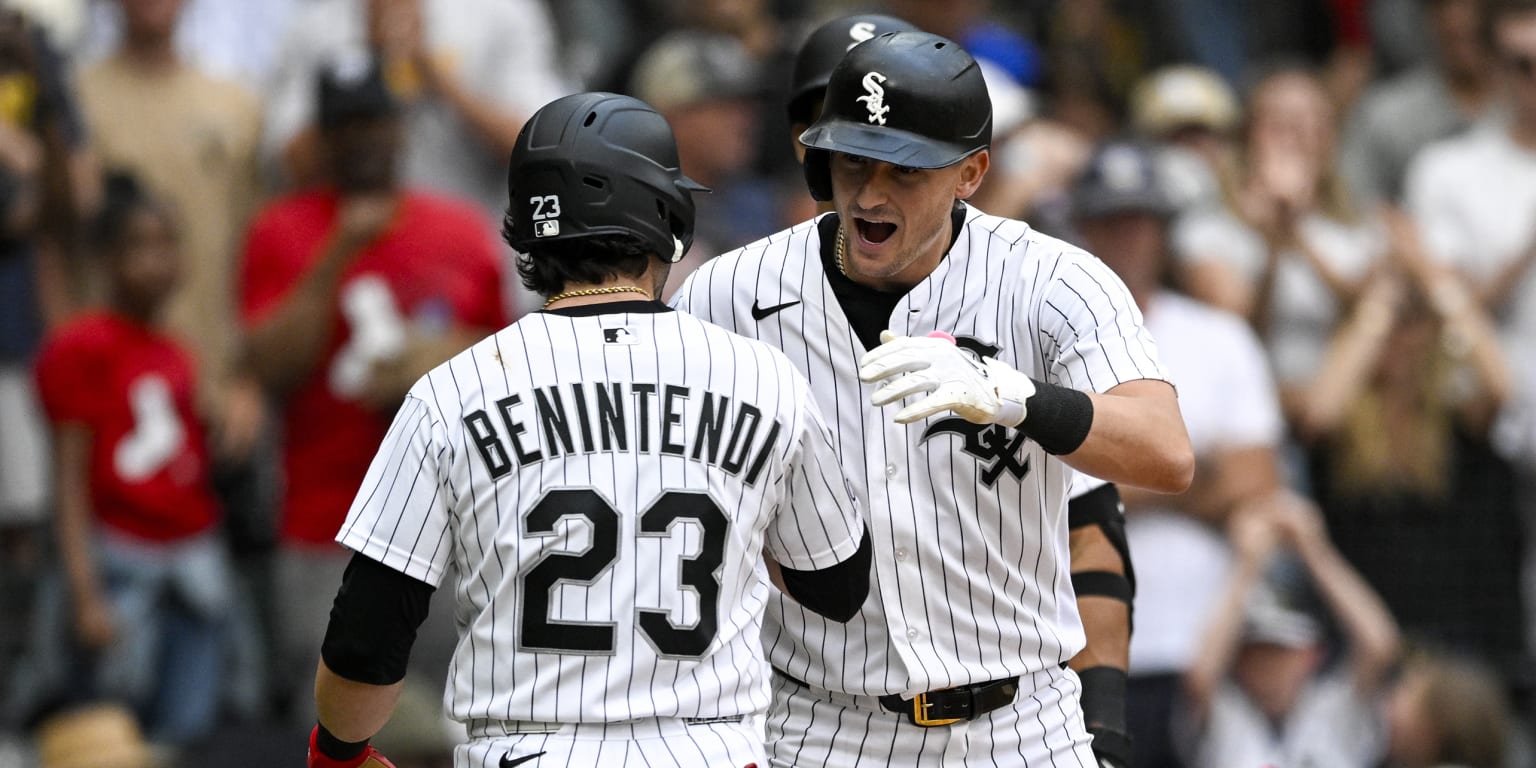
The White Sox mounted a 6-4 comeback victory over the Dodgers on Sunday at Rate Field, riding a six-hit explosion in the sixth inning that included three home runs off Dodgers relievers. Coming into the frame down 4-3 and having managed just one hit through five innings—a dry spell that stretched back 16 innings when factoring in Yoshinobu Yamamoto's near-perfect Saturday outing—Chicago's offense suddenly materialized with ruthless efficiency. The burst began with Sam Antonacci's first career home run on an 0-2 pitch, followed by Colson Montgomery's 410-foot blast and Chase Meidroth's opposite-field drive that ended a career-long drought against opposite-field contact.
The timing and structure of the inning reveal something worth cataloging: the Dodgers' bullpen entered with Emmet Sheehan yielding six consecutive hits before being relieved by Jack Dreyer, who promptly surrendered a 410-foot shot to Montgomery. For a team that has relied heavily on depth pitching down the stretch—the Dodgers carry a large relief corps and deploy frequently—the inability to record an out against a lineup that had been starved of baserunners points to a tactical fragility. This was not a case of Chicago's offense breaking through elite stuff; this was middle relief unable to locate in critical moments against a suddenly aggressive approach.
The White Sox, meanwhile, sit at 38-32 and occupy a tie atop the AL Central with Cleveland after the Guardians' game was postponed. Chicago has gone 20-4 at Rate Field over their last 24 games and finished their homestand 4-1, marking measurable evidence of home-field potency. The roster has pieced together depth contributions—Antonacci, Montgomery, and Meidroth combining for four hits and three home runs in this single frame—that suggest depth production capability when conditions align. That sixth inning came with runners on and aggressive counts; the White Sox's patience had been exhausted by the deficit and the pitcher changes created a reset that Chicago exploited.
For prop modeling, this game presents two competing signals. The first is overweighting: a single six-hit inning in which a historically hitless offense suddenly produced three home runs is precisely the kind of outcome that inflates team-total and player-power expectations for the next matchup. The Dodgers' bullpen, despite Sunday's failure, carries 2025-26 season metrics that remain respectable, and Sunday's relief performance will likely regress toward season mean. The second signal is that when the White Sox find themselves in home games with deficit situations, their approach shifts markedly—they become less selective and more aggressive, which can unlock power production against relievers operating in pressure situations. The next time Chicago faces a team in similar circumstances (late deficit, at Rate Field, with a bullpen operating with high leverage), the model should account for their aggressive-count approach and the tendency to chase middle-relief offerings. Sunday's eruption, however, remains a single high-variance inning; the 16 prior hitless innings tell a different story about this offense's baseline capability.