White Sox Gamble on Urquidy's Injury Recovery as Rotation Depth Play
By PropBetEdge Editorial Team ·
Chicago's acquisition of a recently designated-for-assignment starter shifts the calculus on their pitching depth and late-season reliability.
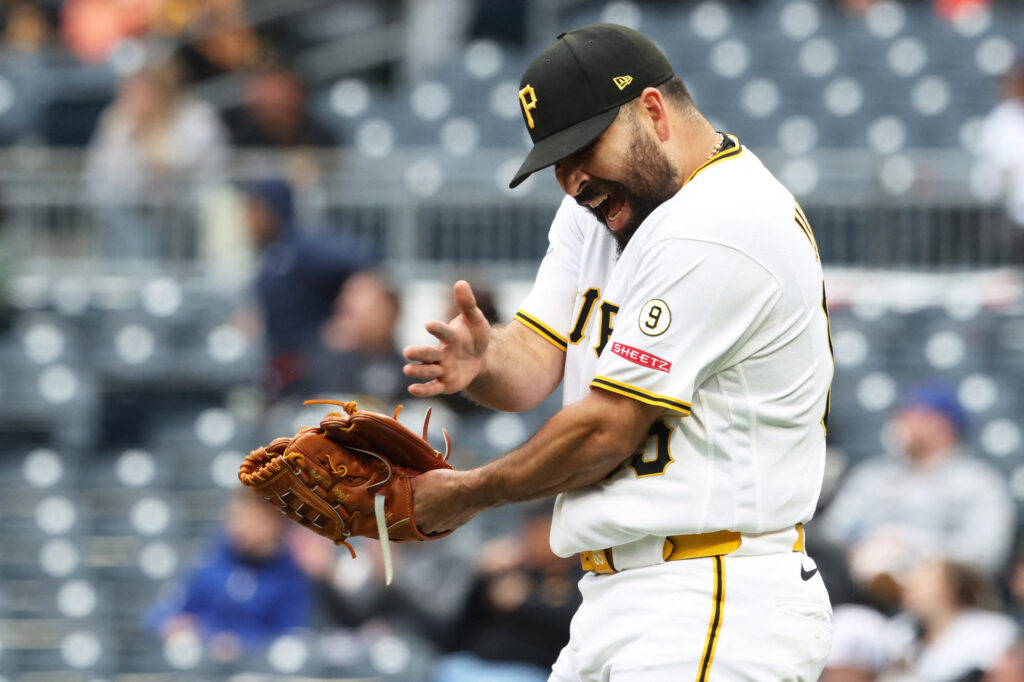
The White Sox claimed right-hander Jose Urquidy off waivers from Pittsburgh, adding a lottery-ticket arm to their rotation after the Pirates designated him for assignment. The transaction costs Chicago only minor league prospect Felix Doroteo—a low-cost swap that reflects both teams' risk tolerance: Pittsburgh clearing payroll space, Chicago buying into the possibility that a pitcher with upside can stabilize down the stretch.
Urquidy enters the deal carrying injury baggage. The 29-year-old has dealt with elbow and shoulder issues that have compressed his availability over the past two seasons, limiting him to sporadic starts and relegating him to a depth role rather than a consistent rotation pillar. His velocity and command metrics suggest the physical foundation remains sound when healthy—his strikeout rate held near 9 per nine innings in limited 2026 action—but durability is the real wager here. Pittsburgh's decision to DFA rather than rehab him on the active roster signals they've moved on from banking on his health window; Chicago is betting they can unlock production in a lower-leverage spot or, at minimum, create emergency depth without surrendering meaningful assets.
For betting purposes, Urquidy's arrival matters primarily as a marginal improvement to White Sox rotation stability rather than an immediate starter upgrade. His strikeout prop appeal is volatile—when he takes the mound, he carries upside on the K side (his ceiling-case strikeout rate suggests 8+ K in a full outing), but the injury history creates availability risk that creates its own friction. The more durable edge lies in monitoring White Sox pitching team totals and game scripts: if Urquidy eats innings in spot starts, it protects the bullpen and lowers variance on team total unders in lower-scoring matchups. Conversely, if his health regresses or his velocity dips below his career norms, Chicago could find itself forced to lean harder on exhausted relievers late in tight contests—a scenario that inflates team total overs on games where the South Siders fall behind early.
The real prop signal is indirect. Watch whether the White Sox' starting rotation stability metrics improve over the next 30 days—fewer bullpen innings, lower average relief ERA, better team win probability in games started by their five primary starters. If Urquidy's presence meaningfully reduces stress on Chicago's relief corps, team total lines should tighten and become more tradeable at extreme numbers. If his injury recurs within two weeks, his impact evaporates and the White Sox slip back into a bullpen-dependent structure that has historically inflated totals in their games.