Padres Mortgage Future on Rotation Rentals; Pitching Depth Now the Playoff Bet
By Erik Schwartz ·
San Diego trades three top prospects for Casey Mize and Robbie Ray—deadline moves that reshape playoff odds through September but leave the farm system thinner than it's been.
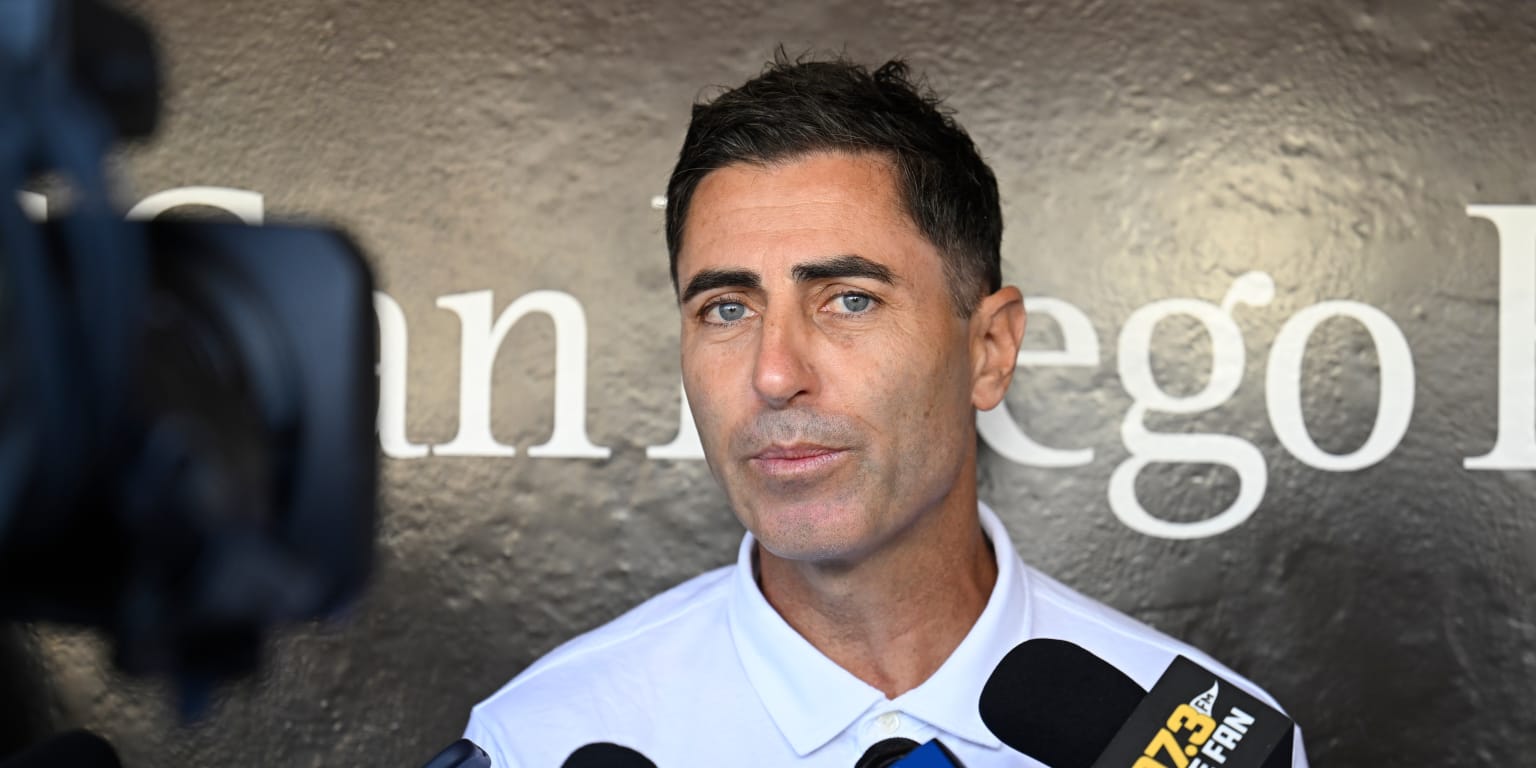
The Padres made their move Monday at the trade deadline, landing right-hander Casey Mize and left-hander Robbie Ray in back-to-back transactions that cost them three of their nine best prospects. Both are expiring rentals, set to hit free agency after the season. The rotation that had limped through July on bullpen games and piggyback appearances now has structure: Michael King anchors the top; Ray and Mize slot in at two and three; Walker Buehler rounds out the starting five. It's a conditional bet on the next 60 days. The Padres entered deadline action with eight wins in their last nine, positioning themselves as buyers despite teetering on the playoff bubble. General manager A.J. Preller framed the moves plainly: "We're trying to win championships. We're trying to get to the postseason, and do it year after year." That's the operating principle—and it required giving up organizational depth to chase it.
The context matters more than the headline deal. San Diego's offense has been a top-five unit since mid-June, a dramatic reversal from the worst-in-baseball start through April and May. That turnaround is what gave Preller cover to ignore the left-handed outfield bat the market coveted and instead stack the rotation. The bet is straightforward: if the pitching stabilizes and the bats stay hot, the team's playoff odds expand meaningfully. But there's a secondary bet embedded here—Joe Musgrove and Nick Pivetta, both sidelined with elbow injuries, are scheduled to begin rehab assignments on Tuesday. Getting them back on schedule would mean a fourth and fifth starter who weren't acquired on the trade market and wouldn't represent sunk prospect capital. The rotation depth hinges on their healing timeline.
For bettors, this reshuffles the pitching-related prop landscape. The Padres' team total now includes significantly upgraded starting arms, which should suppress opponent run scoring relative to the club's seasonal baseline. Mize posted a 3.97 ERA with Detroit before the trade; Ray, despite health concerns throughout his career, owns a 3.62 career mark. Neither is an ace, but both are reliable over a full season. The real edge is in the first-five-innings frame. The Padres will now field King, Ray, or Mize in five consecutive games starting immediately post-deadline, and none of those three are vulnerability plays in their first time through the order. Mize and Ray have not thrown innings together in the same rotation previously, which means the market may have priced San Diego's early-inning props as if the old four-man carousel was still running. That mispricing corrects sharply once lineups adjust to who's actually on the mound.
The cost-benefit math is also readable in the prospect capital surrendered. Three top-nine prospects (Miguel Mendez and Joniel Hernandez to San Francisco; Kash Mayfield and Jackson Wolf to Detroit) represent the organization's next wave of controllable talent. Preller is signaling an urgency window of three to five years, not a decade-long rebuild. That matters for liability: if Musgrove or Pivetta don't return to pre-injury form, or if the September offensive climate reverses, the Padres will have spent future leverage on rentals that didn't deliver a World Series appearance. The rotation rentals are legitimate, and the market will price them as such. But the probability they produce a championship-caliber September run is material but not assured—and a loss of even two of the next three weeks erases the playoff buffer Preller was trying to build.
The angle for bettors over the next two weeks: Padres team totals and first-five-innings unders carry value as long as the rotation upgrade hasn't fully priced in. The market opened assuming a continuation of the bullpen-game risk that defined July. King, Ray, and Mize change that math immediately. But this is a single-event edge—the books will adjust within 48 hours of consistent exposure. The early numbers on Padres totals and FI unders offer a brief window before recalibration.