Weiss' Unconventional 11th-Inning Walk Turns Escape Into Victory for Braves
By Ty Whitney ·
Atlanta's manager defied the percentages in extra innings and lived to tell the story, but the real lesson is how bullpen stability and defensive execution matter more than any single tactical call.
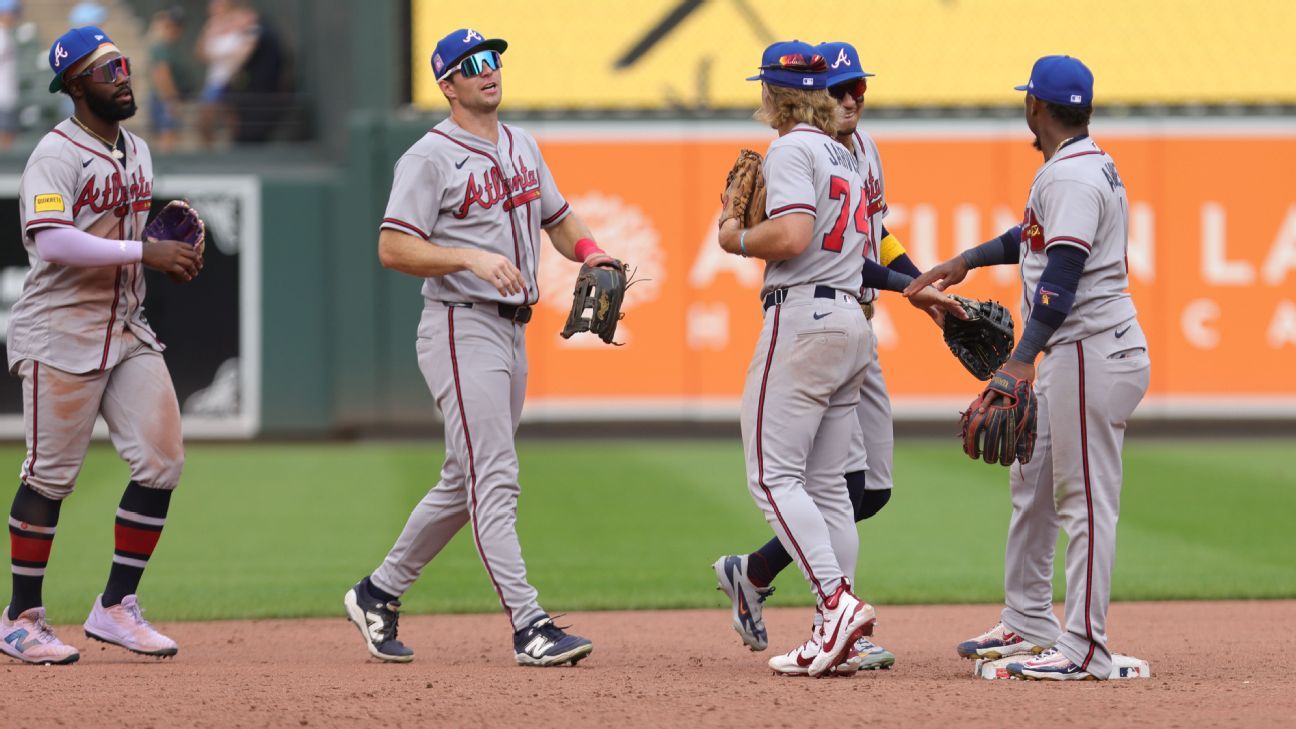
The Braves left Baltimore with a 3-2 win over the Orioles on Sunday, but the path there read like a stress test for Walt Weiss's nerve. An Ozzie Albies error in the ninth—a ball through the legs at second base—tied the game and nearly unraveled Atlanta's evening. What followed was a parade of high-leverage situations: a bases-loaded jam with nobody out in the tenth, a defensive alignment that looked closer to softball than baseball, and then in the 11th, an intentional walk that would have been indefensible had it backfired.
The tactical pivot came with runners on first and second, two outs, and Austin Riley's 11th-inning double already having given the Braves a 3-2 lead. Weiss chose to intentionally walk the left-handed-hitting Jackson Holliday, a young prospect still developing against major-league arms, to face Sam Huff—Baltimore's backup catcher with no better options remaining on the roster due to injuries at the position. It was a micro-edge built on roster construction, not on Holliday's ability or Kinley's stuff. Tyler Kinley retired Huff and closed out the win. Weiss later acknowledged the risk: "I'm sure I would have got killed for that one" if it hadn't worked.
That vulnerability is the real story here. Weiss made a calculated decision to avoid a 55% major-league hitter (Holliday, a .240 batter last season with modest contact rates) in favor of a pinch-hitter facing a pitcher he'd never seen before. The move exploited an information asymmetry—Huff's lack of familiarity with Kinley and his diminished options—rather than a traditional platoon split or strength mismatch. What saved Atlanta wasn't the walk itself; it was Tyler Kinley's execution and Huff's inability to deliver in a clutch spot. Any narrative crediting the walk over the pitching is backwards. Kinley, a workhorse in high-leverage spots, is the real variable here.
For bettors tracking Braves bullpen stability and Kinley's leverage usage, this game is a reminder that depth matters. With Orioles catchers depleted, Weiss had room to maneuver. But going forward, track how often Atlanta's high-leverage pitchers (Kinley, others in the pen) are asked to work with short-handed opposing rosters. Thin benches create opportunities for tactical edges that seem audacious but are really just exploiting available information. The Braves' moneyline value in future extra-inning spots against teams missing key position players increases proportionally to how many backups they're forced to deploy.
Albies' redemption—the diving catch right after his error—is worth noting for Atlanta's psychological profile, but individual error-correction plays don't predict team outcomes across a season. What does predict outcomes is pen depth and the quality of late-inning relievers (Kinley's ERA and strikeout rate in save situations). The Braves now sit atop the division with a pen that can execute when handed the ball in high-stress moments, even when the tactical setup is half-unconventional and half-luck.