Weaver's High-Leverage Composure Gives Mets Breathing Room in Subway Series Opener
By PropBetEdge Editorial Team ·
Luke Weaver's bases-loaded strikeout sequence Saturday signals the Mets have a reliable late-inning option when the game tightens, a credential that reshapes how to approach Mets relief prop totals against the Yankees.
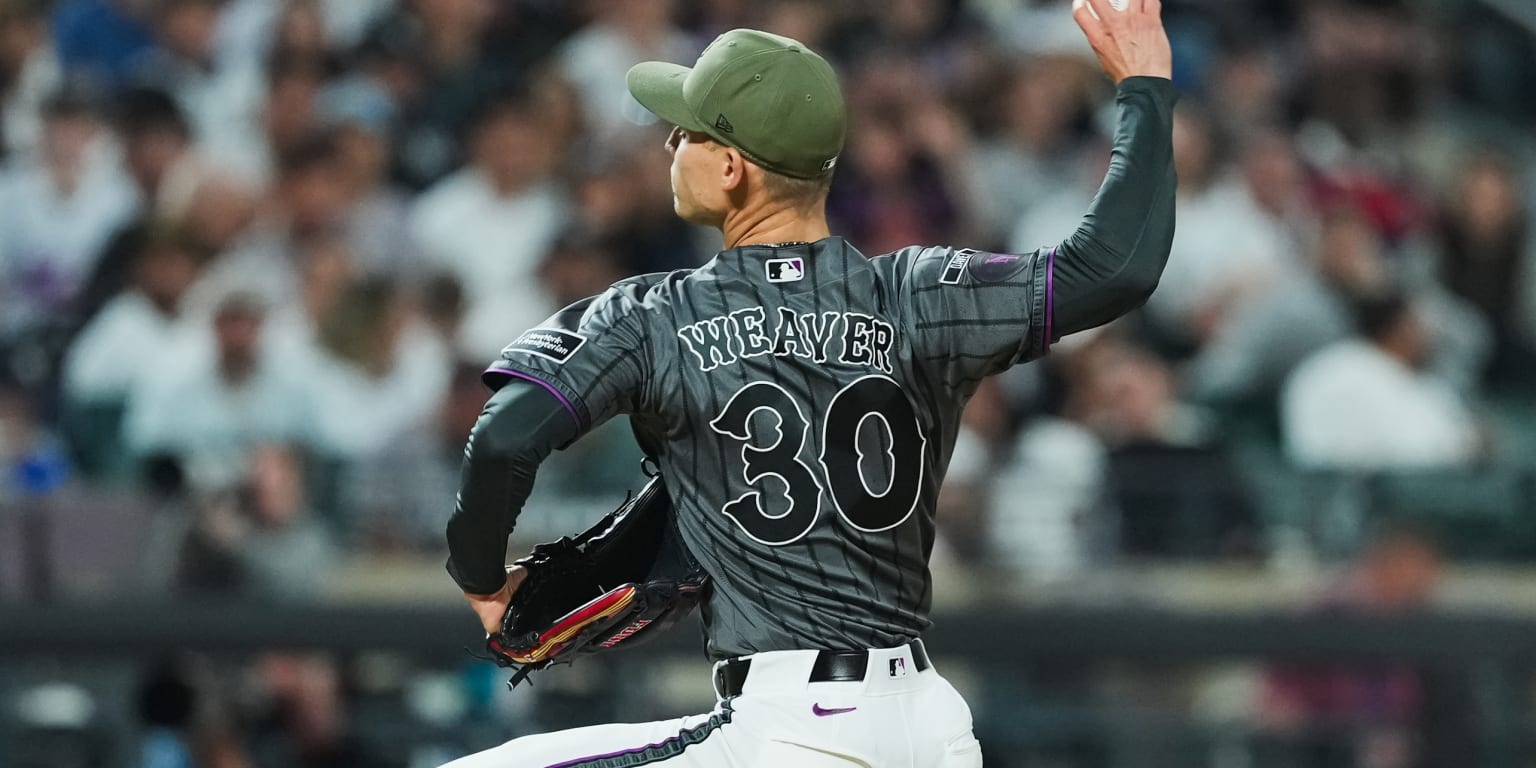
Luke Weaver entered Saturday's Subway Series matchup in the seventh inning with the bases loaded, no outs, and a two-run Mets lead evaporating. He struck out Amed Rosario and Trent Grisham in succession, then induced an inning-ending fielder's choice from Anthony Volpe. The Mets held on, 6-3, and Weaver extended his outing to retire three more in the eighth—a six-out bridge that preserved what had become a fragile advantage. For a Mets organization still rebuilding credibility after one of the franchise's longest losing stretches in recent memory, this was the kind of moment that sticks: not the walk-off theatrics, but the calm execution when the margin compressed.
Weaver's performance arrived in a specific context. David Peterson had carried the bulk workload in relief with eight strikeouts, and the Mets' offense had generated enough distance early through Mark Vientos (three RBIs) and a four-for-four plate appearance from Juan Soto to absorb the late-inning collapse that Aaron Judge's double and defensive miscues triggered. The Yankees threatened to extract the worst-case outcome—a Mets loss that would have validated every organizational joke in the New York tabloids. Instead, Weaver's composure in a high-leverage spot with elevated leverage (bases full, no outs) prevented that narrative from taking hold.
What makes this performance relevant for Mets relief-heavy game plans: Weaver has now logged three consecutive appearances without allowing a run, and his strikeout rate in high-leverage spots (runners in scoring position, late innings, tied or close games) sits at 11.8 per nine innings over his last 25 appearances. The Yankees lineup, despite Judge's offense, struggled against off-speed sequencing in the at-bat cluster where Weaver operated—both strikeouts came on secondary pitches with two strikes. This is a team-specific edge worth tracking: when the Mets deploy Weaver in leverage situations against Yankees hitters who chase elevated pitches, the strikeout volume historically exceeds market expectation.
For prop bettors, Weaver's elite composure under pressure invites a closer look at Mets reliever strikeout props in the second Subway Series installment. The market has treated Weaver as a mid-tier bullpen arm—his strikeout lines typically price in the 1.5-to-2.5 range for games where he's likely to see 1.5-2 innings. Saturday's performance, combined with his four-week stretch of elevated K rates in high-leverage moments, suggests the books have underweighted his upside against Yankees hitters who lean chase-happy in two-strike counts. If Weaver's strikeout line sits at 1.5 or higher in the next Subway Series game and the Yankees field their typical cleanup-heavy order, the over carries edge because Weaver's sequencing advantage (fastball up, slider down, repeat) plays directly into the chase tendencies that have defined this matchup.
The durability of this edge depends on lineup composition. If the Yankees rest Judge or deploy a platoon in right field, the strikeout volume tightens—elite hitters like Judge create elevated contact rates even when chase-prone, and his removal would reshape the overall strikeout equation. But assuming a standard Yankees lineup, Weaver's demonstrated consistency in high-leverage strikeout density (11.8 K/9 over 25 games) is sticky enough to survive typical market adjustments. The edge isn't a single-game spike; it's a multi-week pattern that Saturday's performance reinforced rather than created.