Jordan Walker's Lab Work Pays Off: Cardinals Right Fielder Transforms Into Legit Offensive Threat
By Ty Whitney ·
After nearly derailing his career with a .215 slash line last season, Walker spent three days in the hitting lab and has emerged as one of the National League's breakout performers in 2026.
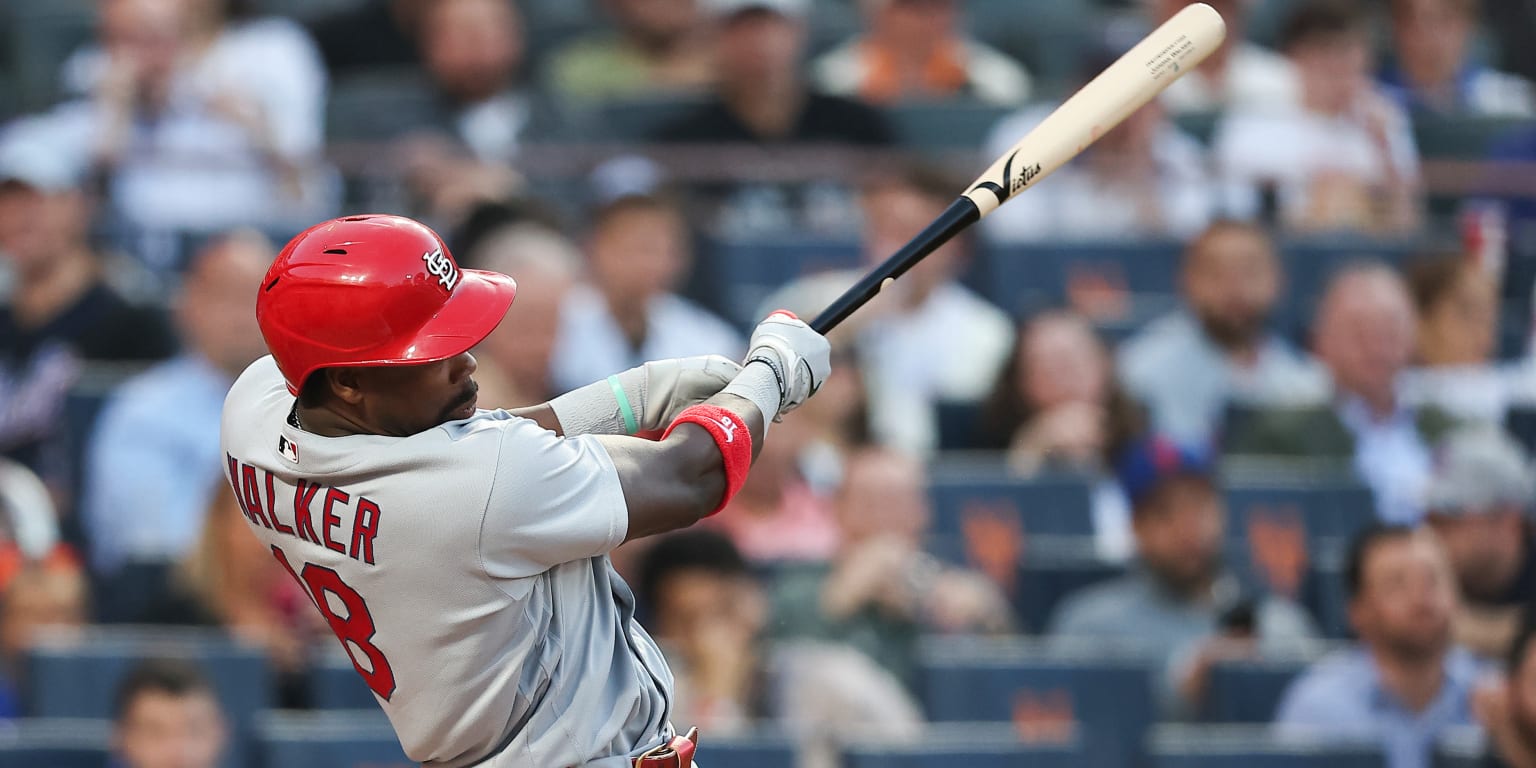
Jordan Walker looked cooked. Through spring training on March 15, the Cardinals' right fielder was hitting .200 with 11 strikeouts in 30 at-bats—the kind of number that usually signals a prospect's window has closed before it ever really opened. But instead of waiting for the season to unfold, Walker took matters into his own hands: three days in the team's hitting lab at Roger Dean Chevrolet Stadium, working with assistant hitting coach Casey Chenoweth on a single directive—stop overthinking and start hitting.
The results have been staggering. Walker's Wednesday night three-run homer in the Cardinals' 9-2 victory over the Mets was the latest evidence of a complete rebuild. He's now ranked third among NL position players in bWAR (3.3), tied for fourth in RBIs (48), and tied for second in total bases (137). His 16 home runs already represent a pace that would nearly triple his previous career high. Manager Oliver Marmol was blunt about the transformation: "To go from getting beat up the last couple of years to where he is at mentally and physically at the moment, he deserves the credit."
What makes this resurgence meaningful—and bookable—is that it's rooted in a concrete mechanical fix, not just variance noise. Walker's problem wasn't talent; it was tempo. By simplifying his approach in the batter's box, he's seen the ball better out of the pitcher's hand and distributed his contact across the field instead of hunting one zone. That's a sustainable skill adjustment, not a hot streak. The Cardinals have also re-integrated him as a defensive asset, crediting him with 5 defensive runs saved this season after recording -11 last year. The team is now confident enough to use him as a replacement defender—a signal that his improvement is real across both offensive and defensive dimensions.
For prop bettors, Walker's trajectory matters in two ways. First, his workload and leverage are only increasing—he's cemented in the lineup as the offense stabilizes around him, and at 48 RBIs through early June, he's on pace for 120+ by season's end if health holds. Second, the hitting lab adjustment is the kind of mechanical shift that tends to stick. Walker isn't riding a 15-game hot streak; he's fundamentally changed how he approaches pitches. That durability means his prop lines—particularly RBI totals and home run props—are likely still underpriced relative to his recent pace, especially in games where the Cardinals' offense gets run support from teammates.
The Cardinals' six-game winning streak and Walker's individual production are not separate phenomena. Walker's ability to spread the ball across the field and elevate when counts favor him has made the order more difficult to pitch around. In matchups against pitchers who struggle with fastball command or face-pressure situations late in the game, Walker's props should lean toward the over, particularly on nights when the Cardinals face decomposing bullpens.