Teng's Sweeper Dominance and Walker's Power Surge Point to Astros' Pitching-First Edge
By Ty Whitney ·
Houston's rotation is posting elite peripherals over a four-game stretch, and Christian Walker's two-homer outing reveals a structural vulnerability in how the Cubs are managing left-on-base runners.
Kai-Wei Teng's six scoreless innings at Wrigley Field Saturday—two hits, six strikeouts, 42 sweepers thrown—landed the Astros another shutout and capped a remarkable four-game run where Houston starters have compiled a 1.57 ERA across 23 innings with scoreless finishes in three of four appearances. Teng, now in his fourth start since transitioning from the bullpen, struck his season high in both innings and pitch count while lowering his ERA to 2.19, a profile that suggests the team is extracting real value from his recent usage pattern and workload expansion.
The sweeper remains Teng's fulcrum: he generated seven of his 10 whiffs on that single pitch, a rate that underscores both the weapon's effectiveness and his reliance on it. Against a Cubs offense that ranked in the bottom third of the league in whiff rate last season, that approach yielded clean results. What matters for the books and bettors is whether this three-start scoreless stretch from Houston's rotation reflects genuine improvement—a shift in quality of stuff, pitch sequencing, or opponent adjustment—or a high-variance cluster that will regress as the sample expands. Early signs favor durability: Teng's strikeout rate (6 per 6 innings) aligns with his career profile, and the sweeper whiff rate is a repeatable skill edge, not a one-off anomaly.
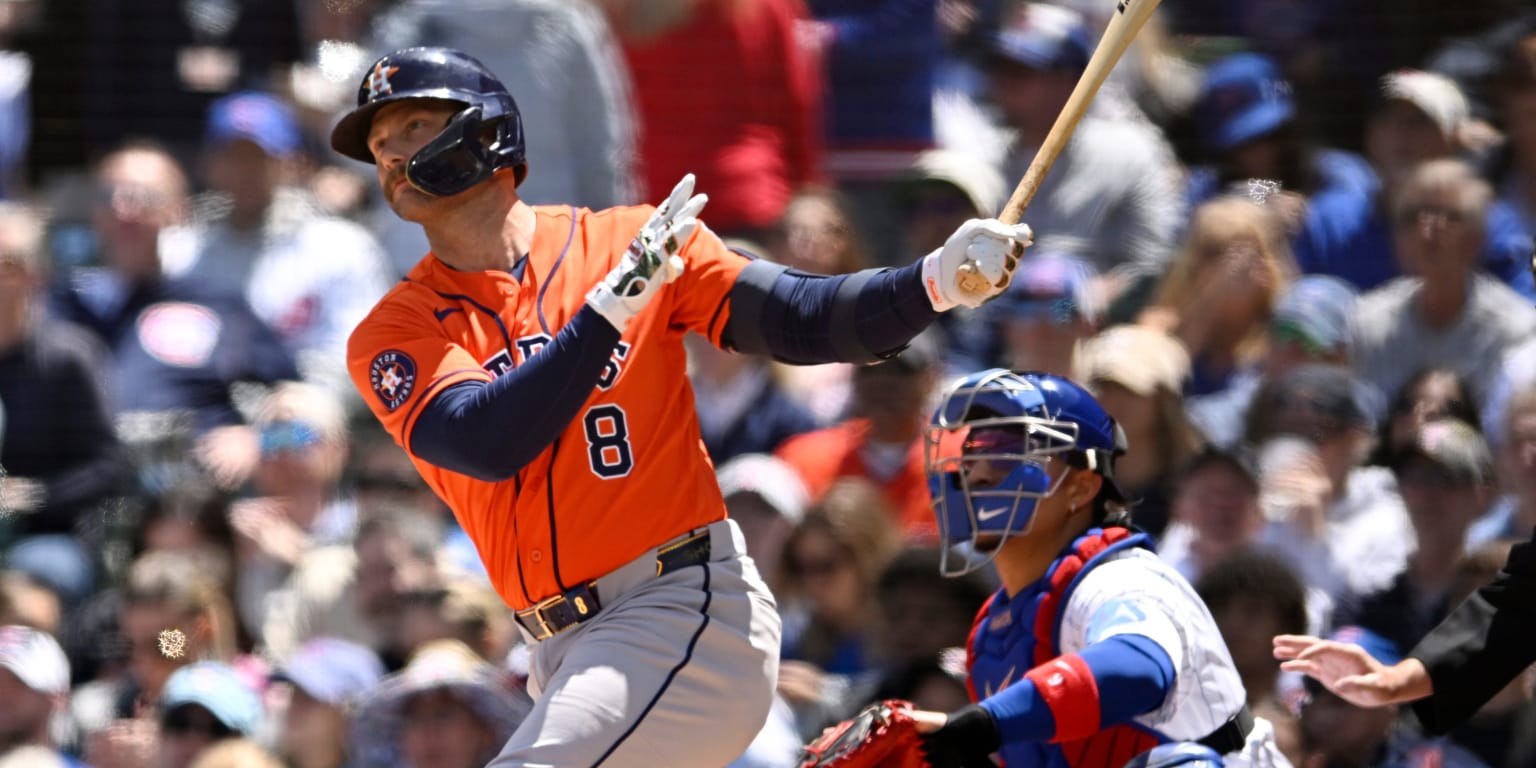
Christian Walker supplied the offensive payload: a two-run blast in the first inning after Yordan Alvarez's walk, then a leadoff home run in the fourth, marking his 14th multi-homer game and his 13th long ball of the season. Walker's power stroke against Cubs pitching matters less for its aesthetic appeal than for what it reveals about his plate approach in this split. He reached base five times (two homers, one single, two walks) in limited at-bats, a rate that hints at fastball elevation or belt-height mistakes from Chicago's arms. That's a single-game sample—volatile and unlikely to persist—but it's worth tracking whether Walker's upcoming matchups against teams with similar pitch distributions show a repeatable aggression pattern.
From a prop-betting perspective, the Astros' rotation trend is the sturdier edge. Houston starters have now delivered scoreless outings in 75% of their last four games, a clip well above league average and backed by measurable stuff improvements (sweeper whiff rates, strikeout velocity). Books will bake some of this into tomorrow's pitching lines, but the durability of Teng's specific sweeper effectiveness—a skill-based, repeatable metric—survives early line adjustments better than Walker's home-run frequency, which is inherently noisy over short windows. If Teng takes the ball again within the next week, under 5.5 earned runs allowed carries value as long as the moneyline hasn't already pivoted the line up 40+ cents. Walker's next multi-homer game is closer to a 15% event; chase it only if the book prices him as a 20% bet or higher.
One shadow note: Yordan Alvarez's back spasms forced a mid-at-bat exit in the sixth inning, a mid-season injury red flag that could suppress Houston's offensive upside in upcoming games. If Alvarez misses time or operates at reduced capacity, the Astros' margin of victory tightens—meaning their pitching depth becomes even more critical. Watch the injury report Monday morning; if Alvarez is unavailable, Houston's pitching-centric edge becomes more valuable and their team-total overs become less attractive.