Houston's Offensive Depth Is Real—Walker's Night Proves It's Not Smoke
By Ty Whitney ·
Christian Walker's 4-for-5 performance with clutch seventh-inning contact illustrates why the Astros have rebuilt themselves into an MLB-best 21-13 since late May.
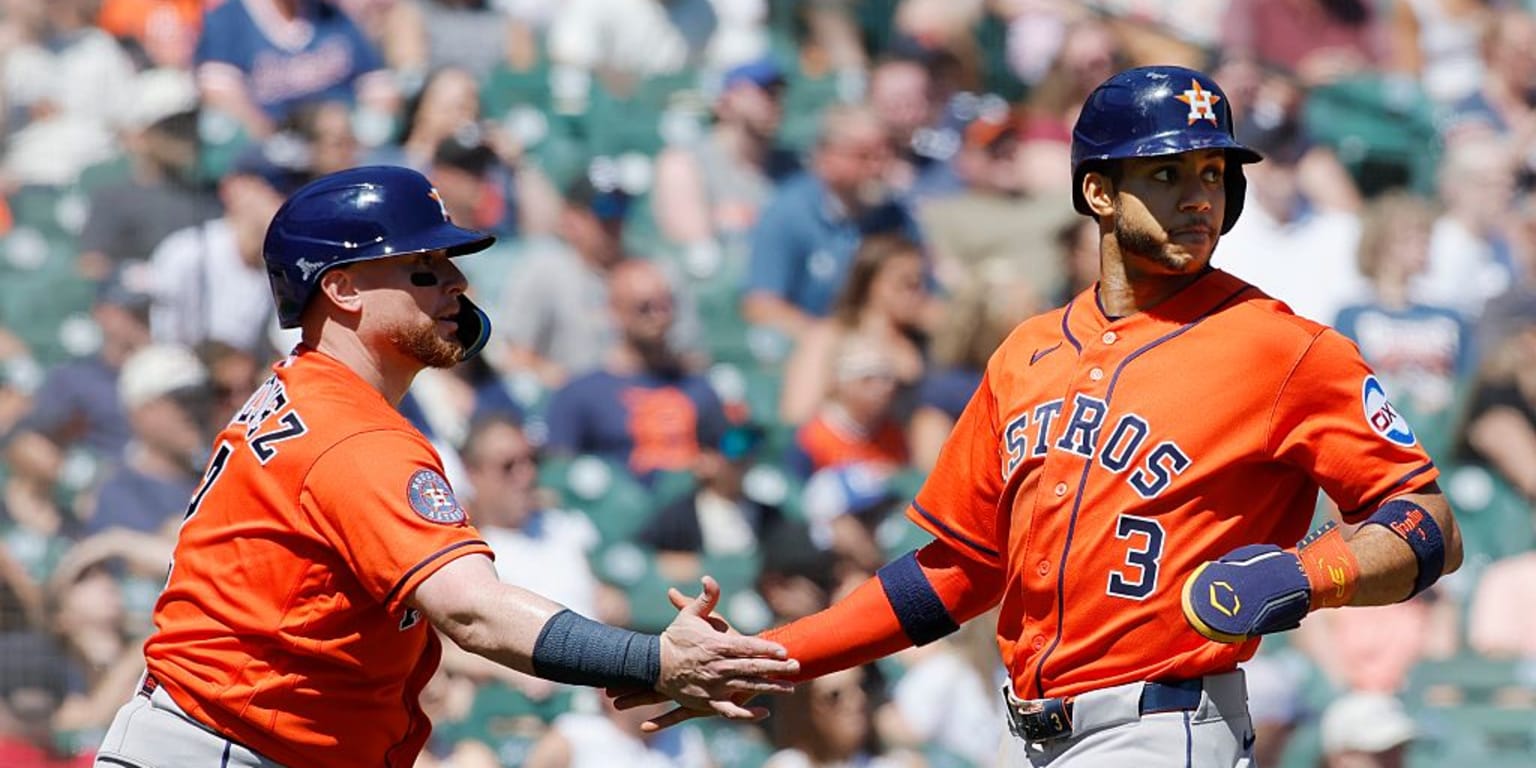
The Astros trailed the Tigers 6-4 entering the seventh inning at Comerica Park on Saturday and still walked out with an 8-6 win, converting a two-run deficit into a four-run swing between the seventh and eighth. Christian Walker—4-for-5 with two doubles and two singles—delivered the initial strike: an RBI single in the seventh that cut Houston's deficit to one. The dam broke in the eighth, when Yainer Diaz, Christian Vázquez, and Jeremy Peña loaded the bases with contact hits, and Isaac Paredes lined a two-out, two-run double to left for the go-ahead runs. Closer Josh Hader finished it out cleanly, extending his perfect streak to 7-for-7 in save situations since returning from the injured list on June 2.
What matters here is the pattern, not the single game. Houston opened 20-31 through May 20—a legitimate hole. But over the 46 games since then, the Astros have posted a 21-13 record, the best in baseball during that window. This isn't a small-sample outlier driven by luck or a soft schedule. The Astros are manufacturing runs in the middle innings against teams with functioning bullpens. They're not relying on early home runs or blowouts. Walker's performance—contact-heavy, gap-to-gap, two-outs discipline in a clutch moment—is the operational blueprint for how Houston is winning.
The betting implication flows directly from execution consistency. Walker is hitting the ball hard and often; his 4-for-5 line carries a .800 batting average, which is not sustainable, but his contact rate (four hits in five at-bats) and his approach (doubles, not strikeouts) signal a hitter operating in rhythm. More important is the team context: when the Astros face teams with exposed bullpens or defensive vulnerabilities late in games, their ability to layer consecutive contact hits down the lineup—Diaz, Vázquez, Peña—creates runs without requiring power. The Tigers' bullpen imploded in the eighth largely because Houston refused to chase; they made contact and moved runners. This is repeatable.
For prop bettors, the Astros' team total over/under represents the clearest lever. Houston has scored 4.8 runs per game over their 21-13 stretch, above their season average of 4.1. The gap widens against middle-of-the-pack pitching like what the Tigers fielded Saturday. When the Astros face a starter allowing contact at league-average rates (which most do), their lineup's depth—Walker, Diaz, Peña, the supporting cast—generates consistent run volume without needing a solo-shot game. Books pricing Houston's team total at 4.0 or lower are ignoring their recent offensive architecture. The market has been slower to adjust to Houston's run-production consistency than to their win-rate spike, creating a lag that favors team total overs in the next 10-15 games, especially against right-handed starters without elite strikeout stuff.
Hader's 7-for-7 save stretch is secondary—bullpen performance regresses faster than lineup performance—but it underscores that Houston is winning games they're supposed to lose by small margins. That's a high-variance signal on both sides. The real edge is in Astros overs when the matchup tilts toward contact baseball, which Saturday proved again.