Marlins End Scoreless Marathon Against Mets with Historic Walk-Off Slam
By Erik Schwartz ·
Heriberto Hernández's bases-loaded grand slam in the ninth inning delivers Miami's first sweep of New York since 2019, but the real story is what the Marlins' bullpen depth just proved.
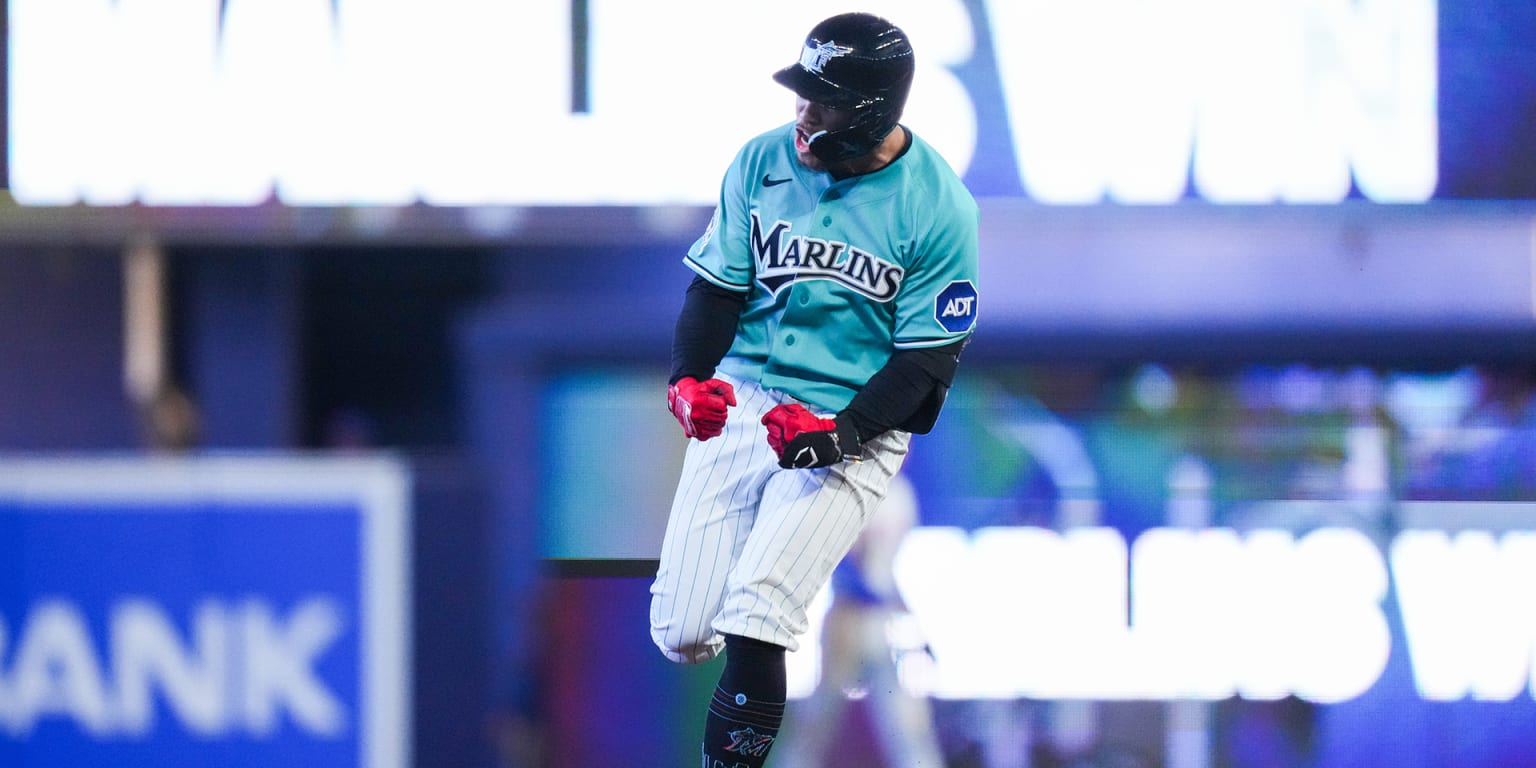
Heriberto Hernández connected on an 0-1 pitch from Devin Williams in the ninth inning Sunday, launching a walk-off grand slam to break a scoreless stalemate and hand the Marlins a 4-0 victory and a three-game sweep of the Mets at loanDepot park. The result was Miami's first series sweep of New York since 2019 and the team's first three-game winning streak since opening the season with a sweep of Colorado. For Hernández personally, the blast marked only his second home run of the season after going deep against Tampa Bay on May 16—a reminder that even low-volume power threats can deliver in leverage situations.
What cuts deeper than the scoreline is Miami's pitching architecture. Tyler Phillips, a starter making his season debut in a bullpen game, worked 3⅔ scoreless innings with four strikeouts while allowing just two hits and two walks. Then five relievers—Calvin Faucher, John King, Anthony Bender, Michael Petersen, and Pete Fairbanks—combined for 5⅓ scoreless frames with matching strikeout and walk totals (4 Ks, 3 BBs) on three hits. That's a 9-inning shutout built on clean command and distributing workload across six arms. Phillips, entering the game with a 1.20 ERA across 15 appearances, has now logged at least three innings in four of those outings since his last start on September 7 against Philadelphia. Manager Skip McCullough explicitly cited Phillips's velocity gains and split development as reasons to deploy him in extended relief—a structural advantage baked into how Miami is managing its depth.
The Mets' inability to break through despite nearly nine full scoreless frames suggests two things: their offensive struggles remain directional rather than cyclical, and New York's reliance on high-leverage arms like Williams in ninth-inning spots exposes them to the exact kind of variance that produces walk-off homers. Williams had induced 26 consecutive scoreless appearances before Sunday's disaster. One bad pitch to a hitter who'd been held hitless for the season was enough to erase that slate.
From a betting angle, the Marlins' bullpen endurance here—six arms, zero runs, 46 pitches across five-plus innings—reinforces their value in under markets when they deploy the full relievers-only infrastructure. Miami's team totals benefit when Phillips and the relief corps can prevent baserunner accumulation, and that happened decisively Sunday despite the game remaining scoreless through eight innings. The Mets' inability to score against that same pipeline, even with multiple scoring opportunities squandered, signals that New York's run-production deficit isn't noise—it's a structural problem that won't flip on variance alone. Mets team unders and spread underlays have merit in matchups where Miami controls the pace and manages games through depth rather than star power.