Vientos' Hand Fracture Ends Mets Third-Base Experiment Mid-Game
By Erik Schwartz ·
A 92 mph sinker ends Mark Vientos' brief return to the field, forcing the Mets into an unplanned lineup shuffle with playoff implications already visible in July.
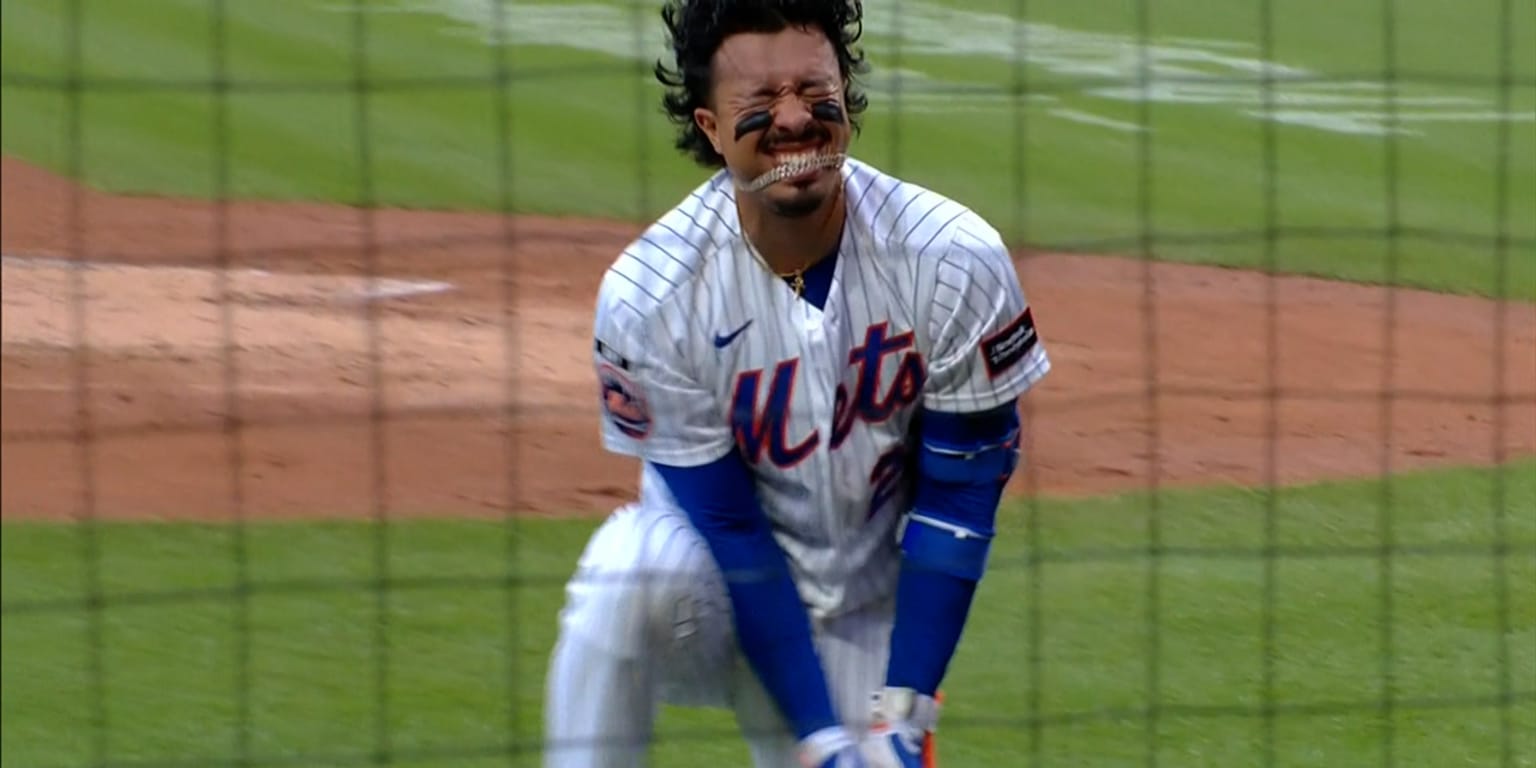
Mark Vientos exited Thursday's Mets win over Kansas City after two innings, felled by a Michael Wacha sinker that fractured his right hand. The injury, confirmed post-game, sends him to the injured list and caps what has been a historically unproductive season for the 25-year-old third baseman. Through 73 games, Vientos is batting .211 with an OPS of .680—a sharp and sustained decline from his 2024 breakout year (.838 OPS) that had generated real optimism about his trajectory.
The timing is damaging for multiple reasons. Vientos was only two innings into his second start of the season at third base, a position the Mets were testing him in after he'd lost significant playing time to stronger performers. The organization has been searching for answers at the hot corner and at designated hitter spots; a productive Vientos could have provided relief. Instead, the injury forces the Mets into immediate improvisation: Brett Baty shifts to third base, while A.J. Ewing makes his MLB debut at second base—a position where he has appeared in only 53 minor league games across two seasons. The lineup instability compounds what was already a concerning trend in Vientos' performance trajectory.
For bettors, the immediate impact is concentrated. Vientos' removal from Thursday's lineup had no effect on that game—the Mets won 7-3—but his absence reshapes the team's depth chart going forward. Ewing's insertion at second base is a significant downgrade in proven position flexibility; the Mets are now relying on a fringe prospect in a critical role, which typically translates to higher variance in both offensive and defensive output. If Vientos misses extended time (hand fractures to the right hand for a right-handed batter can sideline players for 3-6 weeks depending on severity), the Mets' offensive ceiling in games where they need power flattens materially.
The team's other option—bringing Ronny Mauricio back up from the minors—presents a different profile: younger, less proven, and untested at MLB depth. Either path signals depth-chart desperation at positions the Mets need to stabilize. From a team-total perspective, Mets games over the next 2-4 weeks (while Vientos rehabilitates) carry elevated downside risk if the injury forces lineups built around depth rather than established production. The loss of even a .211 hitter in a key position creates a ripple effect in run expectancy that markets may not fully reprice immediately, particularly if the fracture timeline isn't confirmed until later today.