Verlander Throws 38-Pitch Sim Game, But Detroit's Rotation Hole Isn't Closing Yet
By Erik Schwartz ·
Progress is not the same as ready — and the difference matters for every Tigers team total between now and his return.
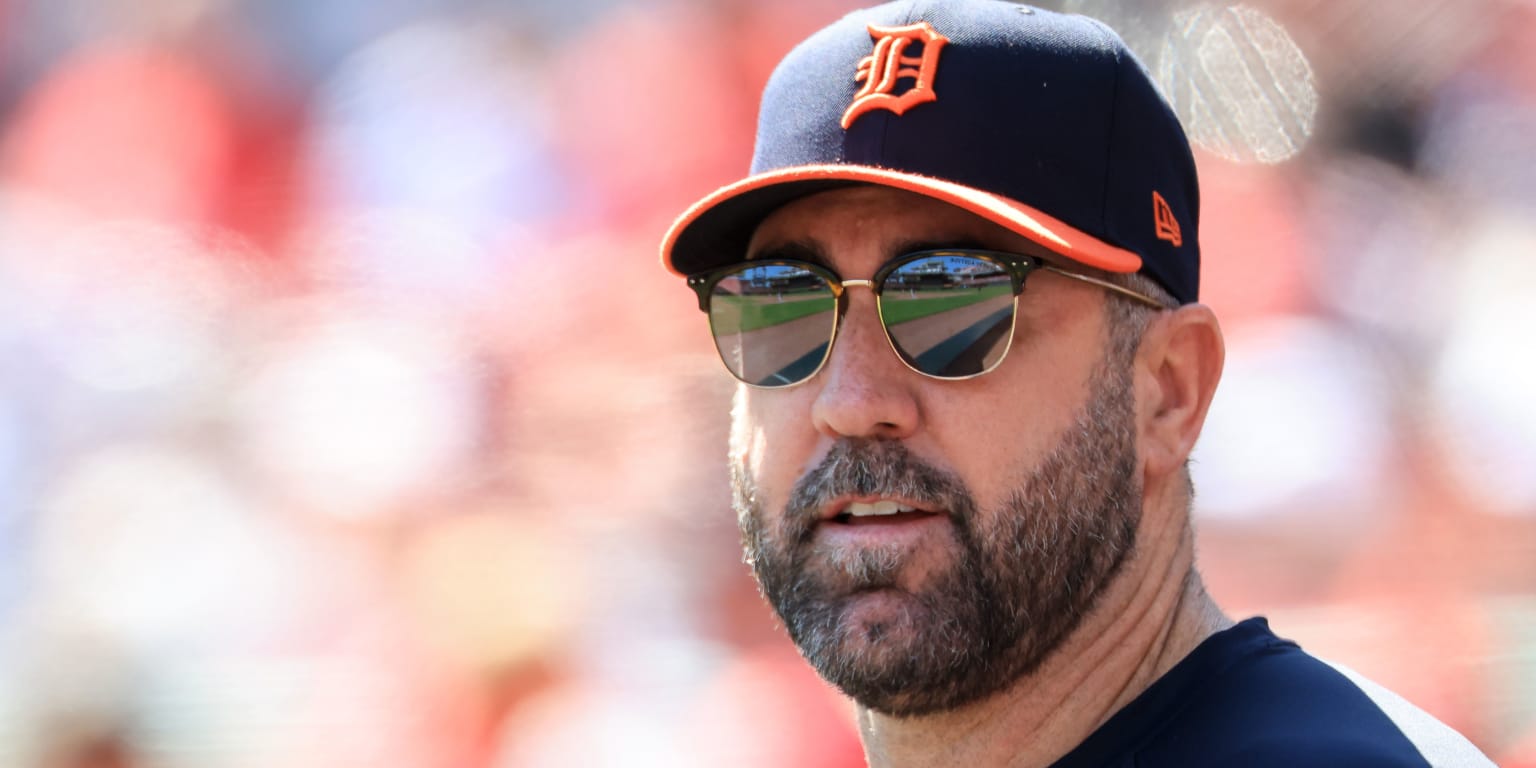
Justin Verlander took a tangible step forward in his rehab from left hip inflammation Saturday, throwing a two-inning simulated game at Kauffman Stadium — 38 pitches, four hitters faced twice each. As MLB.com reported, he worked through his full pitch arsenal, generated four swings and misses, and showed flashes of command. But he also surrendered solid contact, acknowledged his mechanics were a "work in progress," and emerged with an assessment that was notably measured: better than before, not as good as he wants.
Manager A.J. Hinch offered the most telling detail of the day — that Verlander's second inning was sharper than his first, and that the conversations after the session shifted away from rehab logistics and toward pitching mechanics and pitch behavior. That's meaningful context. When a pitcher at Verlander's level starts dissecting what his curveball is doing rather than whether his hip can handle a load, it signals genuine rehabilitation progress rather than just checkbox completion. Still, Hinch confirmed another session is coming before any next step, which means a return to Detroit's rotation is not imminent. There is no timetable.
Verlander is 43 years old and coming off a hip inflammation setback that cost him significant time. The Tigers have been navigating his absence in the rotation, and that absence has real consequences for a Detroit team trying to stay competitive in the AL Central. Every week without him in the starting five either extends the rope on replacement-level arms or taxes the rest of a staff that's already carrying load. His eventual return reshapes the entire picture — but "eventual" is doing a lot of work right now.
For bettors, the immediate angle is straightforward: Verlander is not pitching in a major-league game in the near term, so any pricing around his individual strikeout or hits-allowed props is irrelevant until the Tigers announce a rehab start. What this update does affect is the Detroit team total picture. Without Verlander in the rotation, the Tigers are leaning on depth options in key matchups, and that creates exploitable softness on opposing team totals and Tigers unders when those back-end starters draw tough offensive opponents. Monitor Detroit's probable pitcher announcements closely — the gap between a Verlander start and a replacement-level fill-in is significant enough to move your positioning on any given game's over/under.
When Verlander does get a rehab start assignment, the strikeout prop market will be the first place sharp money looks. He generated four whiffs in 38 sim pitches against his own teammates — modest, not electric. At 43, post-hip inflammation, his velocity and spin metrics will determine whether he profiles as an innings-management starter or someone who can still generate a double-digit punch-out line. Until that data is public, treat any early Verlander K props with caution and wait for first-start pitch tracking before committing.