Verlander's 5 Scoreless Innings Clear the Path: Tigers Rotation Gets Its Ace Back
By Erik Schwartz ·
After 11 years away from Triple-A ball, Verlander's clean rehab start opens the door for a Sunday return at Comerica—and forces bettors to recalibrate Detroit's pitching landscape mid-series.
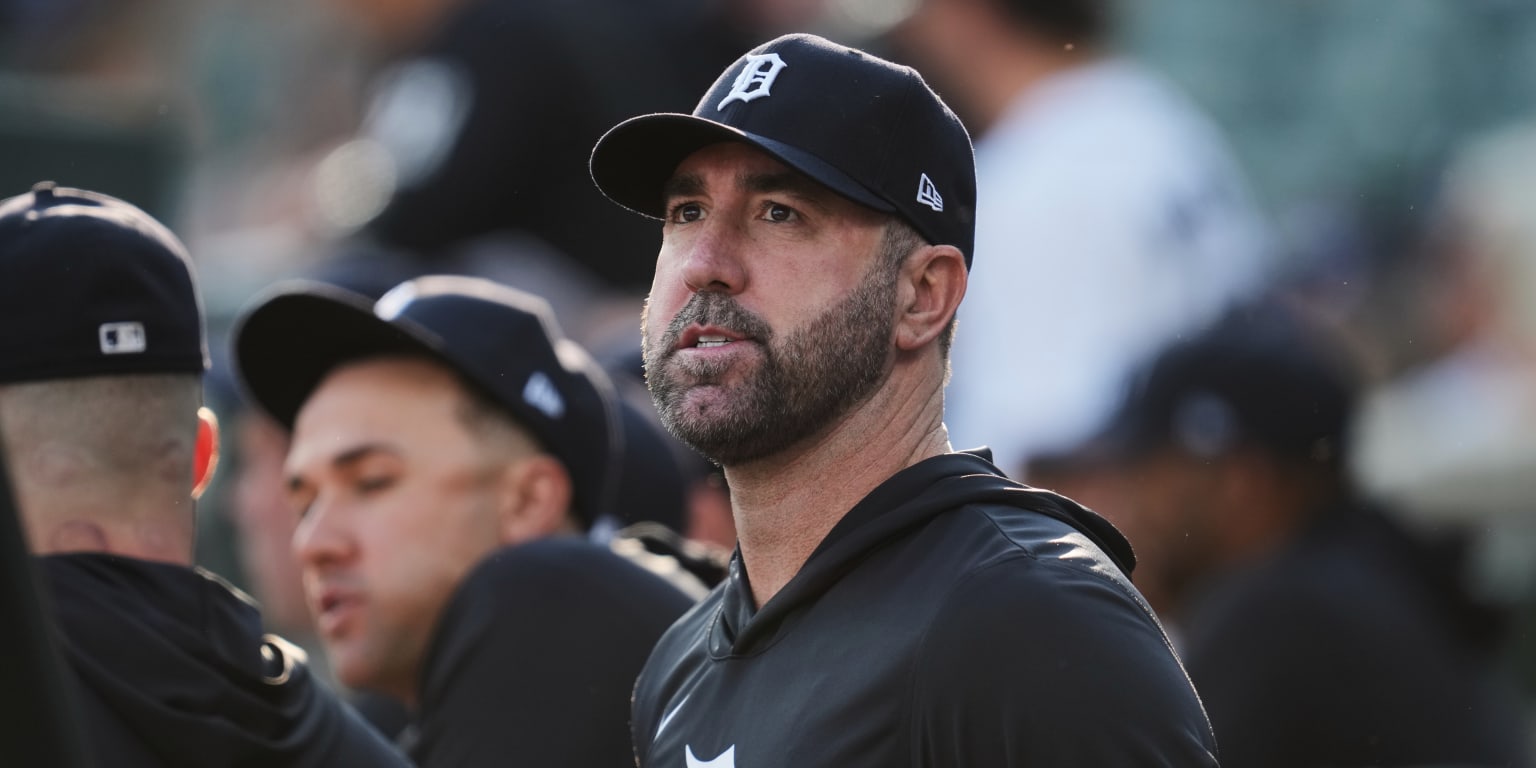
Justin Verlander threw five scoreless innings against Iowa on Tuesday night—his first live-action appearance since March 30—and the Tigers now have a credible path to deploy him as early as Sunday against Seattle. Per MLB's reporting, Verlander allowed four hits, zero walks, and struck out three while recording 10 swinging strikes on a mix of fastball and slider. The velocity readout matters: his four-seam fastball sat 93.5 mph with a 95.1 top, and the heater accounted for seven called strikes. He induced two strikeouts on sliders. No ball was hit harder than 99 mph against an Iowa lineup that included several former big-league hitters. This wasn't a dress rehearsal against low-A competition—Verlander faced live arms and made adjustments mid-game, retiring the side in the fifth after the Mud Hens staked him to an eight-run lead.
The context matters as much as the line. Verlander's hip inflammation forced him off the mound in early April, but the Tigers' front office leaned into a mechanical overhaul rather than rush the 43-year-old back. Manager A.J. Hinch wanted to see live-action data before deciding on rehab length; that data now exists. The Tigers' rotation has a hole: Ty Madden, filling in for the injured Casey Mize, lasted 3 1/3 innings Monday at Tampa Bay. Sunday's start against the Mariners comes up with a five-man slot open, and Verlander is now the favorite to claim it. A return at Comerica Park for the first time since August 2017 would be narratively potent—and lineup-altering.
For bettors, the immediate angle lives in Tigers pitching lines and team totals for the Seattle series. Verlander entering the rotation mid-weekend doesn't just add a front-line arm; it reshuffles the perceived quality of Detroit's staff in real time. If Verlander takes the Sunday mound, books will have to reprice games where he appears. His K prop will open lower than his career average (9.7 per nine innings through his career) because velocity decay at 43 is real, but the market may not yet be accounting for his strikeout mix against a Mariners lineup that struck out 8.4 times per game as of early May. Seattle swings hard and misses often—a classic Verlander diet. The slider induced 40% of his swinging strikes in the Iowa rehab; if that ratio holds, the strikeout floor is materially higher than a typical back-end starter.
Team totals are the secondary lever. Detroit's implied run pace shifts upward when Verlander pitches because the Tigers offense can afford to play for one run per inning rather than two. Against a Mariners rotation that allowed 4.2 runs per game through May, a Verlander start could anchor Detroit to a lower total while reducing variance on the under. The edge isn't that totals will plummet—books price movement fast—but that early Sunday numbers (posted Thursday) will overweight Madden's poor outing Monday. Madden's 3 1/3 innings created a narrative of Tigers pitching fragility; Verlander's five scoreless frames demolishes it. The market will adjust within hours, but sharp money often sits tight through Friday and pounces on Sunday first pitches when the public is still calibrated to an older narrative.