Walk-Off Grand Slam in Two Strikes, Two Outs: What Twins' Clemens Moment Tells Us About Late-Inning Variance
By PropBetEdge Editorial Team ·
Kody Clemens delivered the 34th ultimate grand slam since 1910—and Minnesota's first ever—turning a no-hitter into a one-swing 4-3 win, but the real story is how little you can predict about ninth-inning collapse risk.
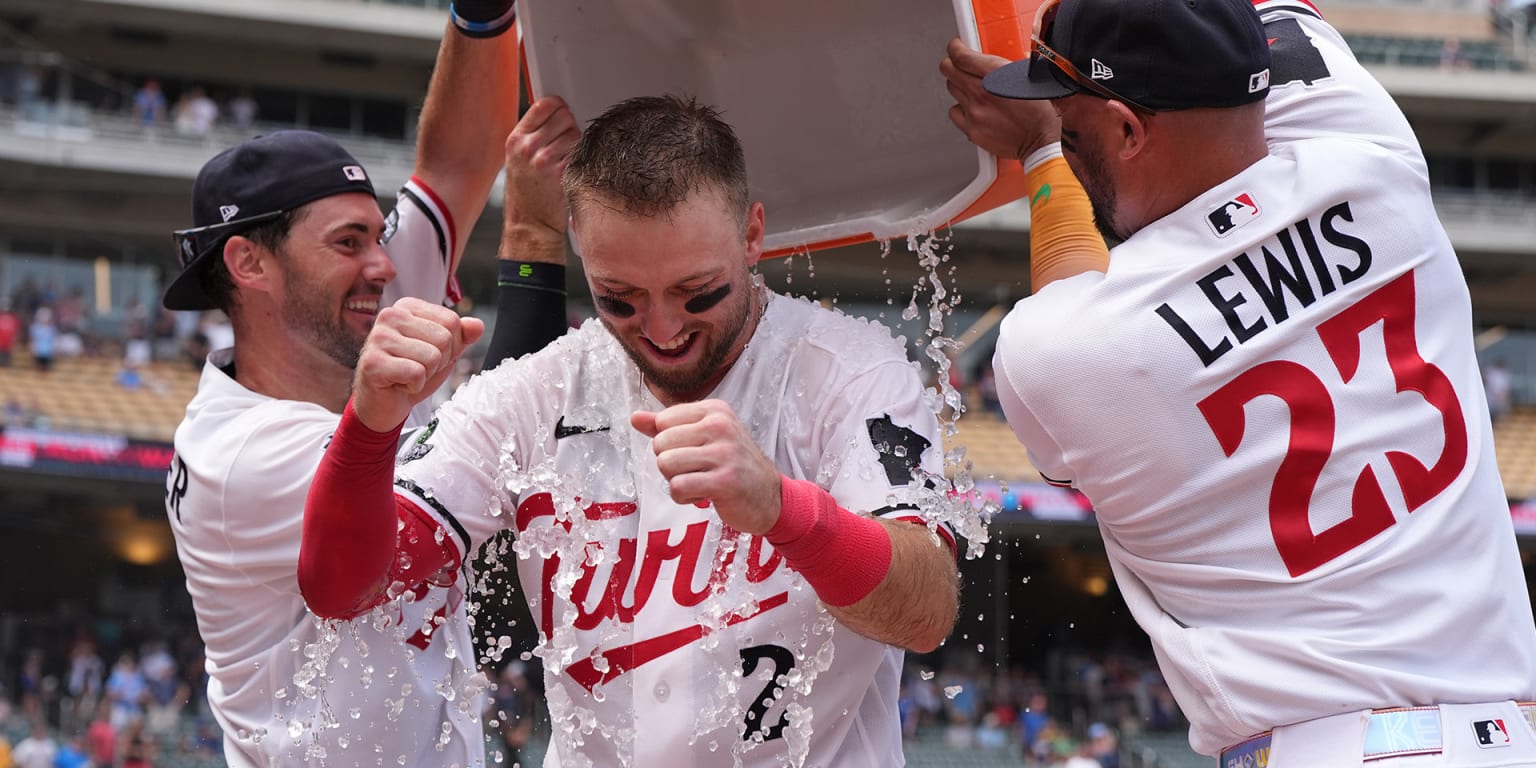
Kody Clemens ended the Royals on a two-strike, two-out grand slam Thursday night at Target Field, capping a ninth-inning rally that turned a 3-0 deficit into a 4-3 Minnesota victory. Noah Cameron had been masterful for Kansas City through eight-plus innings, taking a no-hitter into the seventh and facing the minimum through five. Then the Twins scraped together four consecutive batters—Ryan Jeffers hit by pitch, Royce Lewis single, Josh Bell walk, Clemens grand slam—and erased both the game and any sense that the Royals had control of the outcome. It was the 34th recorded "ultimate grand slam" (two outs, two strikes, deficit-erasing) since 1910, and the first in franchise history for Minnesota.
What makes this outcome analytically interesting is not the rarity of the blast itself—walk-offs happen—but the collapse mechanism. Cameron was operating in the 95th percentile of command and stuff through eight frames. The Royals' bullpen entered the ninth holding a 3-0 lead. Standard models would price Minnesota's win probability at or below 1 percent at that juncture. Yet the game ended, and Minnesota flew home having erased a third-inning deficit and a no-hitter simultaneously. This was not a case of the underdog playing tighter defense or manufacturing base hits off weak contact. This was a specific relief pitcher—Matt Strahm, brought in to face a left-handed hitter—unable to navigate two outs and two strikes with a three-run cushion.
From a betting vantage, the immediate question centers on whether the Twins' comeback resilience has become a persistent trait or whether this represents a variance spike in a single series. Minnesota has now engineered late-inning comebacks against Kansas City on consecutive days—Tuesday's walk-off, Thursday's grand slam—suggesting either that the Royals' bullpen has a structural flaw against Minnesota's lineup composition, or that the Twins have cycled into a high-leverage hot streak that will cool. Derek Shelton's "fight for all 27 outs" framing sounds organizational, but a team doesn't manufacture a no-hitter into a 4-3 loss through philosophy alone; they do it through sequencing and a bullpen that can't thread the needle.
For prop players, the immediate edge lies in Twins moneyline and rally-based pricing for the remainder of this series and the next week of games. Sportsbooks will likely overweight this single outlier result when setting team totals and moneyline odds for Minnesota's next matchup, especially if they play Kansas City again soon. A three-run ninth-inning comeback from a single hit through eight-plus innings sits in the 99th percentile of improbability; it does not become a pattern in 48 hours. The risk is that sharp money has already detected this overcorrection and moved the line before retail senses the Twins' momentum spike. Conversely, if the Royals' bullpen continues to struggle against Minnesota's late-game lineup in high-leverage spots—a testable claim across their remaining games—then Minnesota's win probability in close games does shift upward structurally, not emotionally.
The prop angle here is directional fade, not action. Assume this game gets replayed in highlight form across Thursday's betting markets, inflating Minnesota's perceived momentum and extending their moneyline and run-line offerings. That's exactly when sharp books begin pricing in mean reversion. If you're inclined to play Twins futures or series outcomes, wait 24 hours for the line to stabilize; the real value in this story isn't the walk-off itself, it's how the market prices its aftermath.