MLB · callup
Kent's Strikeout Mix and the Nationals' Rookie Pitcher Usage: Why Early K Props Have Value
Jackson Kent's MLB debut against his hometown Cubs revealed a pitcher who can locate and miss bats even under maximum pressure—a skill set that projects better than his raw stuff might suggest for strikeout props in near-term matchups.
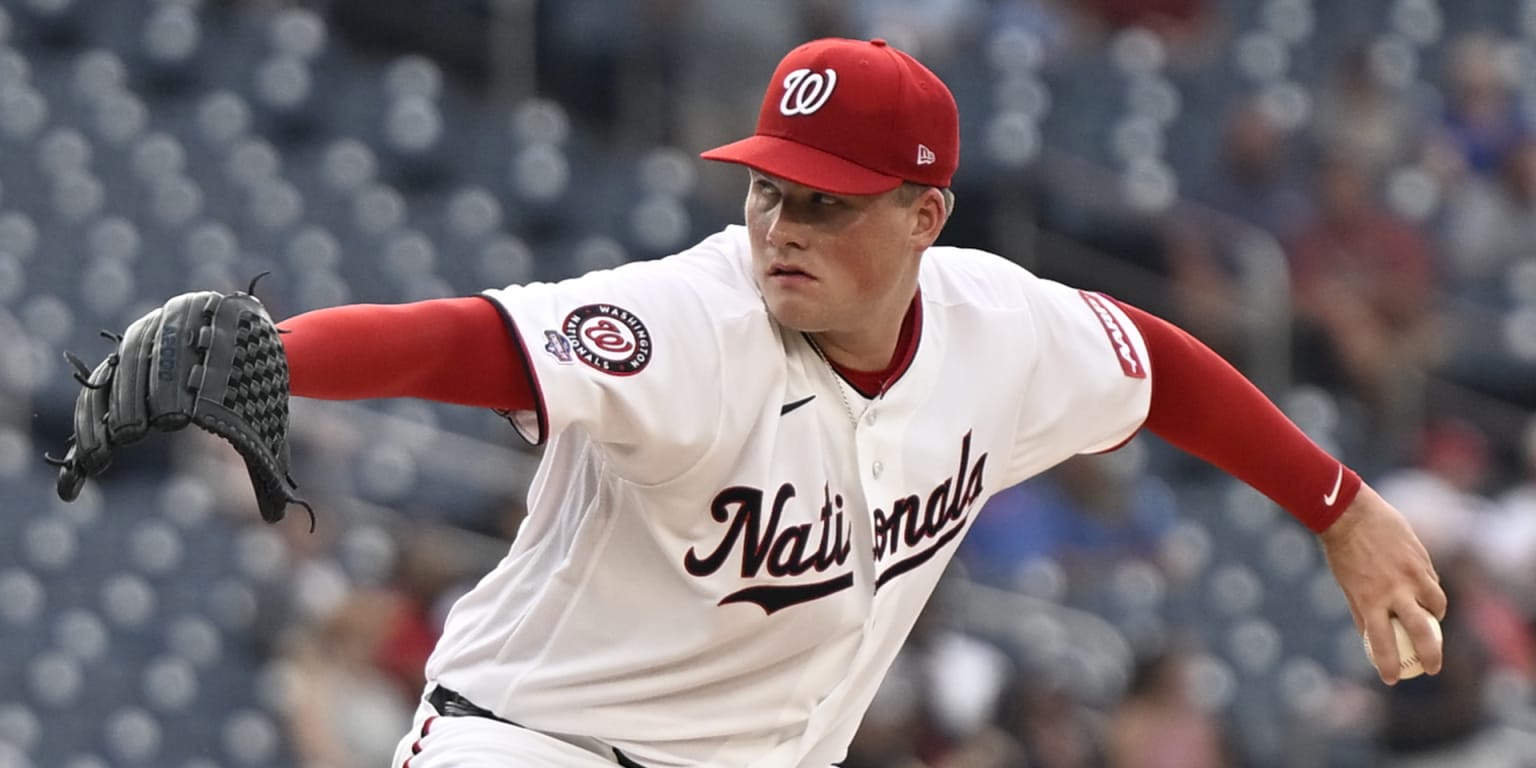
Jackson Kent made his Major League debut Wednesday for the Nationals against the Cubs, the team 30 miles from his Illinois high school, and the moment never rattled him. Over four-plus innings, he struck out six, walked five, and allowed three runs on three hits—a line that looks chaotic on the surface but masks a genuinely impressive command progression. Kent threw only 37 strikes on 78 pitches, a 47% strike rate that should raise flags; instead, his manager Blake Butera points to something more durable: the ability to get whiffs in the zone through deception and speed mix.
The detail that matters for strikeout assessment is how Kent neutralized Pete Crow-Armstrong twice in the same game. Crow-Armstrong carried a .939 OPS against left-handed pitchers into Wednesday, an elite mark against the handedness Kent throws. The first at-bat ended in five pitches with a called strike three on a 95.8 mph fastball. The second? Four pitches, foul tip on a called strike three. That's not luck; that's a pitcher who can change eye levels and fastball location against an opponent built to exploit predictability. Butera's pre-game scouting—that Kent's extension and speed mix enable swing-and-miss in the zone—translates to a specific edge: Kent doesn't need to paint corners to induce whiffs. He can work ahead in counts and let his stuff do the work.
Kent's minor-league track record compounds the case. He was 9-4 with a 3.72 ERA across Double-A and Triple-A in 2026, leading the Nationals' system in opponent batting average (.216) and on-base percentage (.277). The Nationals don't promote a fourth-round prospect from 2024 to face Pete Crow-Armstrong in his first game unless they have conviction in his ability to execute. The standing ovation—from both Nationals fans and Cubs fans in blue—was not for a feel-good story; it was for a rookie who pitched calmly with runners on and struck out cleanup hitters. This is the profile of a pitcher who can sustain higher strikeout rates than typical rookies, particularly in his next 2-4 appearances before hitters adjust to his release point and fastball angles.
The betting angle emerges from the lag between Kent's demonstrated control (50+ strikeouts in 45 minor-league innings this year) and how sportsbooks price rookie pitcher strikeout props. Kent's debut came against a lineup built to exploit walks and fastball velocity: the Cubs are a top-heavy offense with Crow-Armstrong and Bregman carrying the load. His five walks and low strike percentage will tempt books to price his strikeout total conservatively in his next start, likely against a weaker lineup. If Kent faces a team in the range of a Kansas City or Oakland—not a playoff-contending roster—expect a strikeout line in the 5.5 to 6.5 range. That's underpriced given his minor-league whiff rate and his demonstrated ability to execute off-speed pitches in critical counts. The edge fades after two or three starts as hitters catch tape and adjust; this is a narrow, early-deployment angle.
Kent's promotion also signals Washington's confidence in his scalability, evident in the decision to designate Miles Mikolas and trust a fifth debut on their 2026 roster. That usage pattern—a team willing to burn a roster spot on a young left-handed starter with deception—often precedes elevated workload in low-leverage innings, where strikeout props tend to inflate. Monitor his next assignment's opponent and Vegas's opening line; the first 48 hours after a rookie's successful debut often feature the largest gap between smart-side positioning and public pricing.
MLB Intelligence — Baseball intelligence beyond the box score. Open MLB Intelligence →