Fedko's Call-Up Signals Twins' Impatience With Arcia's Mid-Season Pivot
By PropBetEdge Editorial Team ·
Minnesota removes an infielder mid-slump to make room for an outfield prospect, resetting lineup construction and offensive upside calculations for the stretch run.
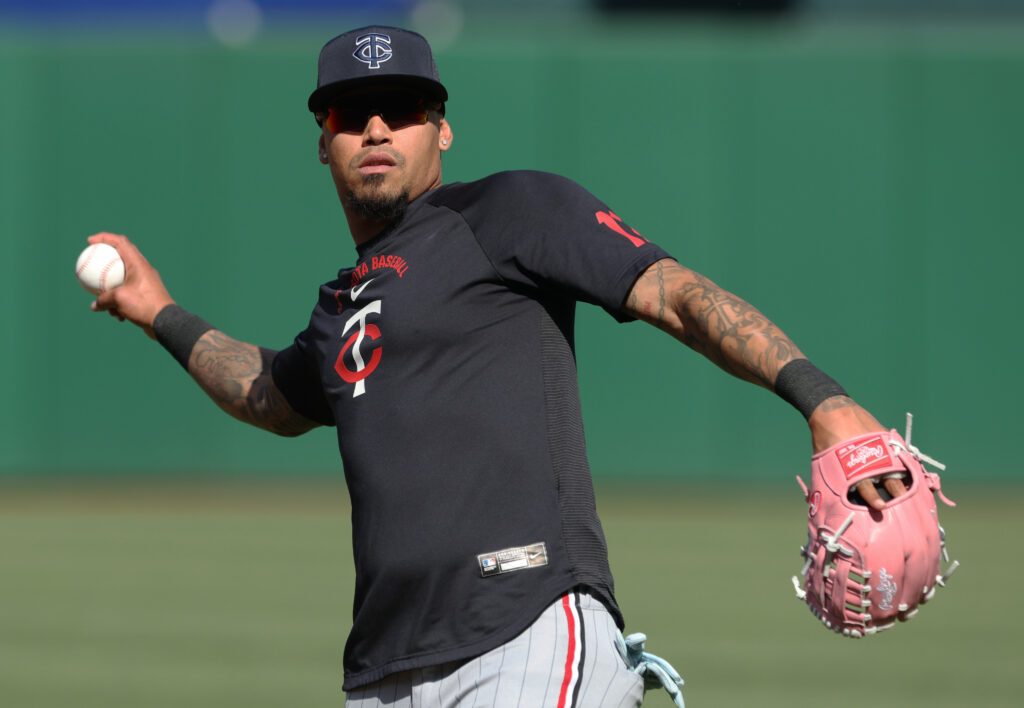
The Twins selected Kyler Fedko's contract from Triple-A St. Paul on Sunday and designated Orlando Arcia for assignment, a move that accelerates Minnesota's youth infusion and seals Arcia's exit from the organization barely five months after he signed a minor league deal in January. Fedko, a 26-year-old outfielder, gets his major league debut in a rotation slot that Arcia occupied—a straight competitive evaluation, not a depth move.
Arcia arrived in Minnesota as a veteran reclamation project with a defined skill set: contact-first infielder with modest power, typically used in utility roles or as a platoon shortstop. His 2026 campaign with the Twins never gained traction. The designation ends his tenure after a stretch that saw his offensive production fail to justify the roster spot during a season where Minnesota has competing needs across multiple positions. The Twins have rotated through several lineup combinations in June, and the move suggests their front office views Fedko's upside—and the data he'll generate in the majors—as more valuable than Arcia's known floor.
Fedko profiles as a prospect with gap power and speed; Triple-A metrics on exit velo and sprint speed suggest he'll touch base paths with aggression if he earns consistent at-bats. That profile changes Minnesota's offensive character in subtle but measurable ways. Arcia's removal from the roster eliminates a high-contact, low-walk option and creates lineup flexibility toward more power-dependent construction. If Fedko settles into regular duty—especially batting lower in the order where the Twins may need secondary offensive contributors—his strikeout rate and walks will diverge sharply from Arcia's profile.
For prop purposes, this is a constructural signal rather than a direct player bet. Fedko's arrival doesn't immediately shift the Twins' team totals; Minnesota's offensive ceiling was already determined by its core pieces. But the move telegraphs a philosophical choice: the team is optimizing for variance and upside in the lineup's bottom half rather than locking in Arcia's predictable contact-oriented floor. Teams that actively chase strikeout risk in utility slots tend to see elevated team totals when those bets connect—and elevated unders when they don't. The margin is thin, but Minnesota's willingness to absorb Fedko's early-career whiffs suggests they're betting on volume and base running to offset contact regression elsewhere. Monitor Fedko's first 15 at-bats for swing-and-miss rate; if it exceeds 28%, the Twins' team total under 4.5 gains durability over the next two weeks.