Matthews' Foot Laceration Forces Early Exit; Twins Bullpen Now Front-and-Center Against Yankees
By Ty Whitney ·
A fifth-inning injury to Minnesota's starter reshuffles pitching leverage in a game where the Twins held a commanding lead.
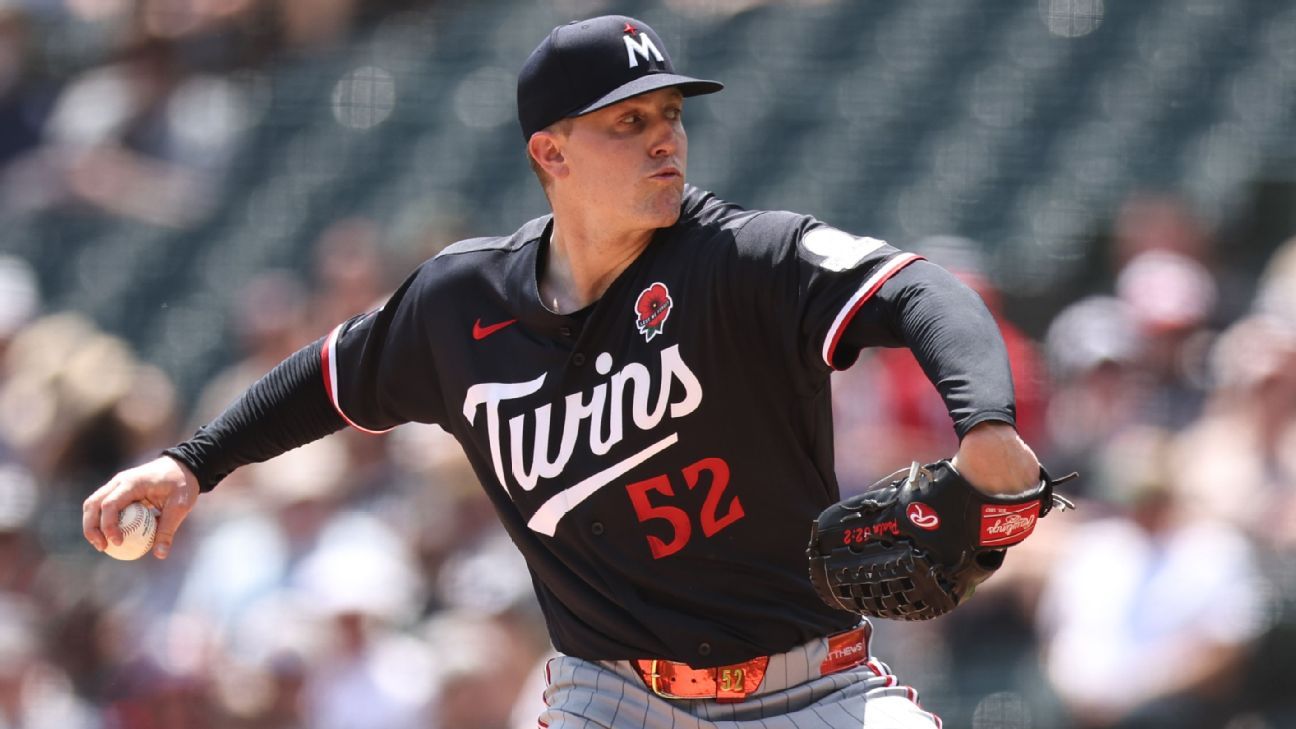
Zebby Matthews exited Saturday's game against the Yankees in the fifth inning after sustaining a right foot laceration, forcing Minnesota to lean on relief depth with a 6-1 lead intact. The right-hander grimaced after delivering a fastball to Ben Rice, and despite appearing to signal he could continue, was pulled from the game after issuing three consecutive balls to the same hitter—a sequence that suggested diminished command or discomfort. Matthews had allowed four runs on three hits in 4⅔ innings, surrendering a two-run homer to Max Schuemann and a solo shot to Jasson Domínguez earlier in the frame.
The injury itself—a laceration rather than a structural concern—suggests a short-term availability question rather than a season-altering setback. Foot cuts are typically low-impact on throwing mechanics unless infection or ongoing pain management becomes an issue, meaning Matthews could feasibly return within days rather than weeks. However, the immediate pitching consequence is acute: Travis Adams entered to relieve, and the Twins' bullpen now faces a innings-management problem in a blowout situation where you'd normally deploy depth arms and spot relievers. With the lead substantial, Minnesota's relief corps can afford to pitch extended innings without leverage pressure, but every appearance consumes availability heading into the All-Star break—now just over a week away.
For the Yankees, the narrative cuts the other direction. Down five runs after four innings, New York faces a diminished starter's actual departure rather than a scheduled exit, which theoretically improves their run-scoring environment against a bullpen arm rather than a 4.15 ERA starter. However, Matthews' exit came after he'd already inflicted damage—the Schuemann and Domínguez homers were the primary offensive dents—so the run production that matters for the betting line had already materialized. The removal of a fatigued or injured starter in the fifth of a blowout rarely generates significant offensive acceleration; the pitching quality floor is already established.
From a prop-betting standpoint, the immediate impact centers on Twins team total. Minnesota entered with a 6-1 advantage in a game scheduled before a holiday matchup (July 4), meaning the line likely accounted for routine run-scoring patterns through nine innings. A mid-game pitcher injury that doesn't displace the offensive lead itself doesn't alter scoring trajectory—the Twins' runs came before Matthews left—but it does signal that Minnesota's offense has already solved the Yankees' starter. If the line on Twins team total sat around 5.5 or 6 runs pregame, the current 6-1 scoreline means the over is already in play, and the removal of a starter weakens New York's run-prevention architecture. The Yankees' bullpen will likely surrender additional runs; the question is whether the total was set with the assumption of Matthews pitching deeper. If it was, the over gains value as Adams and relievers face a pressure-free environment.