Lewis's Triple-A Blitz Forces Twins Hand; Lineup Implications Shift on Recall
By Ty Whitney ·
A 18-day demotion that yielded a .333 average and power surge sends the former No. 1 pick back to Minnesota with concrete position flexibility—and late-June lineup uncertainty that will ripple through Twins totals.
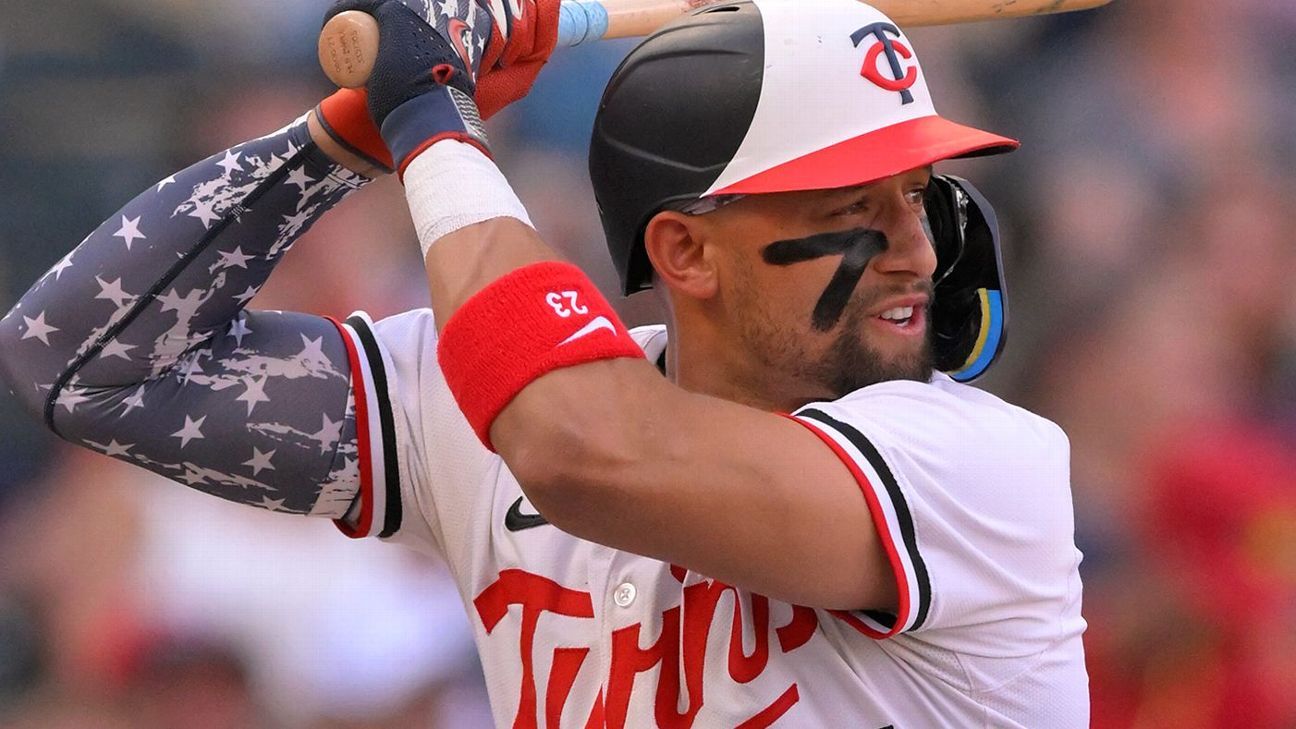
The Minnesota Twins recalled infielder Royce Lewis from Triple-A St. Paul on Saturday, reversing a decision made less than three weeks earlier when they sent him down to rebuild his mechanics and test his positional versatility. Lewis had been killing the ball in the minors. In 15 games at St. Paul, he posted a .333 average with 10 home runs—a rate that would project to roughly 45 bombs over a full season. The contrast with his Triple-A output and his .163 clip at the MLB level (37 strikeouts in 104 at-bats) is stark enough that the Twins had no choice but to bring him back.
Lewis's path has been fractured by injury—two torn ACLs, multiple oblique and hamstring strains—and each comeback carries the burden of rehab timing and cognitive reset. At 27 years old, he remains the player drafted first overall in 2017, but injury tax is real. His recent demotion was surgical: it wasn't punishment or falling out of favor, it was mechanics work and positional audition. He played both first and second base in St. Paul, expanding the Twins' defensive options beyond the third-base glove he'd occupied in Minnesota. Manager Derek Shelton made that clear: "He went down, he did a good job, he deserves to be back because of the way he performed."
What matters for Twins lineup construction is the roster math. James Outman was designated for assignment to clear the 40-man spot, a signal that the organization wants Lewis in the daily lineup, not as a bench utility piece. The Twins' middle infield and corner spots now have a new body with unexpected power upside. Over the next two weeks, expect Lewis to get consistent at-bats, likely at second or first base depending on the opponent and pitcher handedness. That's not a guaranteed performance floor—Triple-A success rarely translates without variance—but it signals a Twins offense that believes it has unlocked something.
For betting purposes, the immediate concern is Twins team totals in games where Lewis is in the lineup. He's not a sure +1 run per game, and the market won't price him as one; Triple-A hot streaks often fade at the plate against quality arms. However, if Lewis slots in as a regular against righties—where his strikeout rate in the minors was more controlled than his major-league sample suggests—the Twins' run projection ticks upward. Teams betting Twins overs in the next 10 days should monitor Lewis's batting order placement and opponent pitching handedness. If he's hitting fifth or sixth against a right-handed starter, the over carries better odds than it would without him. If he's benched or buried in the order, that edge evaporates. The angle is narrow but real: it's not that Lewis is a star, it's that the Twins wouldn't have recalled him if they didn't believe he was playable, and playable in this offense means marginal run support that the books haven't fully repriced yet.