Gonzalez Arrives Cold, Hits Hot—But Fenway Debut Timing Matters More Than Form
By Ty Whitney ·
Minnesota's seventh-ranked prospect gets his MLB debut in Boston on a hot streak, but a three-game sample at Triple-A and immediate Fenway assignment create noise that will fade fast.
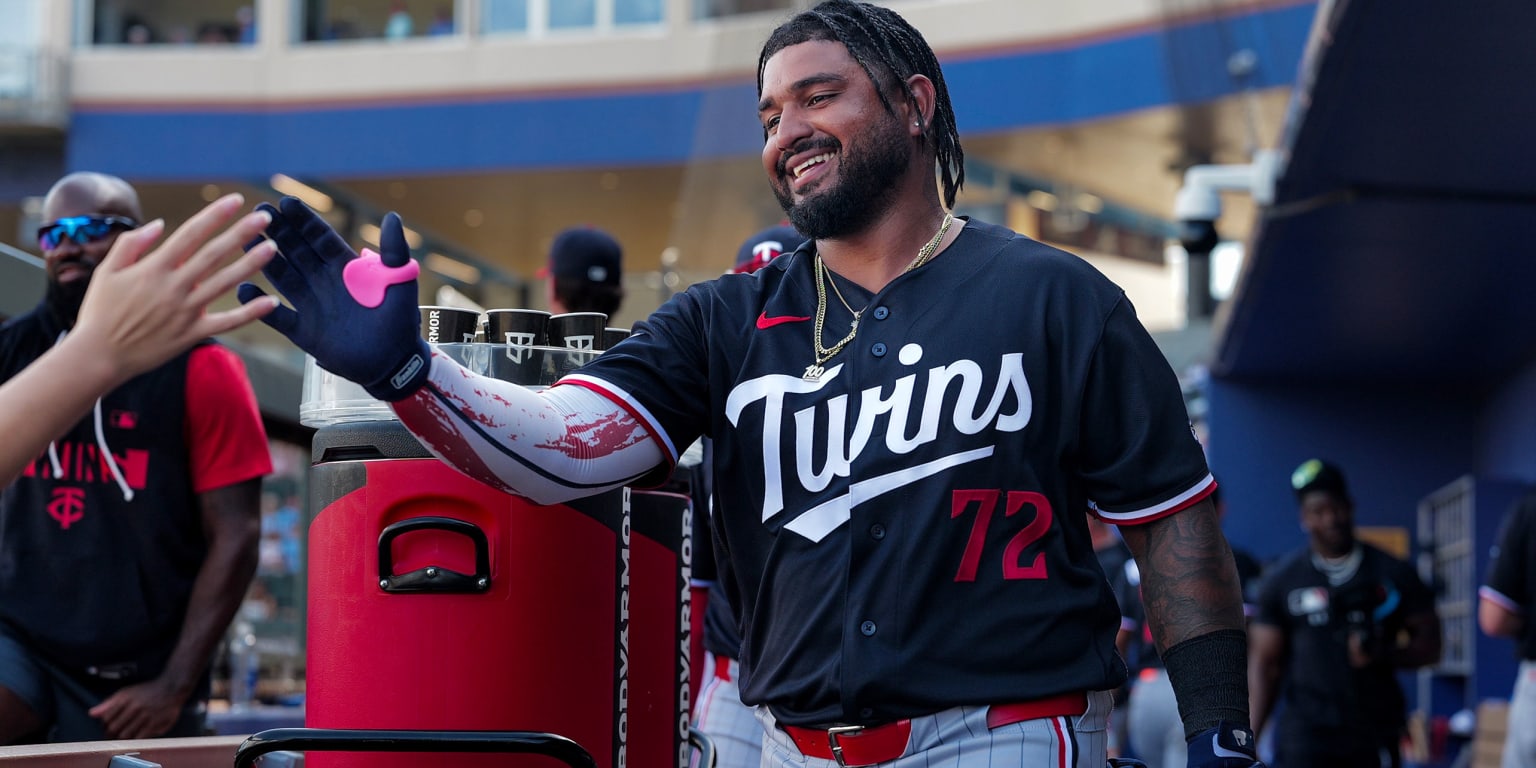
Gabriel Gonzalez is in the Twins' lineup at Fenway Park on Friday night for his major league debut, stepping in after Minnesota placed infielder Tristan Gray on the paternity list. The 25-year-old outfielder was recalled from Triple-A St. Paul where he'd been hitting .216 through 44 games—well below the baseline you'd expect from a top-10 organizational prospect. But Gonzalez caught fire in his last six games, going 11-for-21 (.524) with a .615 on-base percentage, crediting a mechanical adjustment and improved pitch recognition to the turnaround.
That hot streak is real, but it carries exactly the weight it should: a three-game sample at the minor-league level before an MLB debut in one of baseball's most notorious hitter's cemeteries. Fenway's Green Monster creates asymmetrical outfield dimensions that reward left-handed pull power and punish dead-pull flyball tendencies in left field. Gonzalez is a righty. The Twins put him there anyway on his first night, which speaks to either desperation for depth or confidence in his ability to learn on the fly—neither tells you anything predictive about his performance against major-league pitching.
The mechanical improvements Gonzalez mentioned—better rhythm, sharper strike-zone recognition—are exactly the kind of incremental gains that look explosive in a six-game stretch but rarely sustain through a full Triple-A sample, let alone transition to the majors without regression. His season line remains .216/.287/.341, which is well below replacement level. The front office's willingness to insert him directly into the starting lineup against a divisional opponent suggests they view this as a fill-in role, not a long-term positional solution.
For betting purposes, Gonzalez's debut creates two distinct angles worth separating. First, his individual prop lines (strikeouts, hits, RBIs) will likely be priced on the optimistic end of that six-game hot streak rather than his 44-game body of work. Books know he's a rookie at Fenway and will assume some variance, but the recent performance will carry outsized weight in their model. Second, the Twins' team total and run-line odds need scrutiny: if Minnesota's front office is forced to activate marginal talent off the bench, their offensive depth is thinner than preseason projections suggested. Gray's performance this season (.240, 14 RBIs in 26 games) was already below average, so his absence doesn't crater the lineup, but Gonzalez replacing him suggests Minnesota is searching for answers rather than executing a planned roster rotation.
Watch the opening line on Gonzalez's strikeout prop carefully. If it's set above 1.5 or below 0.5, the market is overweighting the hot streak. His K% at Triple-A remains elevated relative to his contact profile, and Fenway's lineup of fastball hitters (Boston's pitching staff relies on high heat through the zone) typically punishes rookies who chase. The smart money moves on player debuts tend to fade the narrative—the six-game hot streak—in favor of the season-long aggregate. That edge compresses within 48 hours once the public weighs in, so timing matters.