Twins Gamble on Lawrence's Strikeout Upside After Pirates' Dump
By PropBetEdge Editorial Team ·
Minnesota acquires a volatile relief arm on the cheap, banking on 2024 form over this season's collapse—a bet that shapes bullpen usage and early-inning leverage.
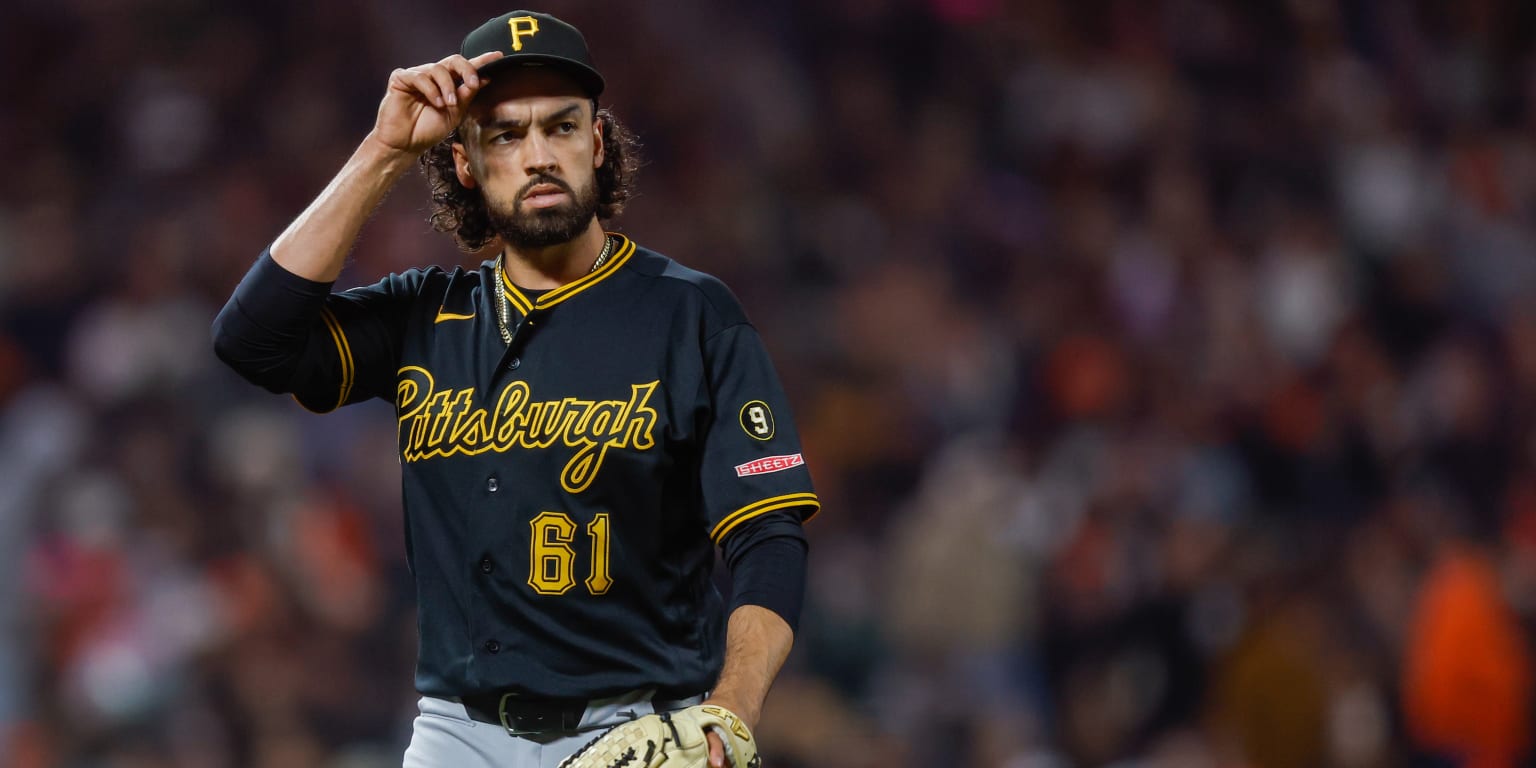
The Minnesota Twins acquired right-handed pitcher Justin Lawrence from Pittsburgh for cash considerations, a low-cost swing on a relief arm with stark performance divergence. Lawrence, 31, appeared in 23 games for the Pirates this season with a 5.32 ERA, 12 walks, and 25 strikeouts across 22 innings before Pittsburgh designated him for assignment on May 29. The pedigree tells a different story: last season in Pittsburgh, Lawrence posted a 0.51 ERA across 17.2 innings with a .153 opponent batting average and 23 strikeouts, signaling a pitcher whose stuff plays but whose current season performance screams mechanical or health-related volatility.
Lawrence's career arc—13-14 with a 5.05 ERA over 222 relief appearances spanning four seasons with Colorado and Pittsburgh—reflects a classic relief profile: high variance, strikeout-heavy (236 K in 233.2 IP, a 9.1 K/9 rate), prone to walking batters (130 walks, 5.0 BB/9). His 6-foot-3 frame and high-velocity stuff explain the strikeout floor, but the walk rate and ERA volatility explain why the Pirates were willing to shed salary rather than retain him. The Twins are explicitly banking on regression toward last season's elite peripherals and away from 2025's outlier numbers.
For Minnesota's bullpen, Lawrence's acquisition signals a depth play rather than a high-leverage role assignment. The club's corresponding 26-man roster move will clarify immediate usage, but at 31 with a track record of mid-to-late-innings work, Lawrence profiles as a mop-up or low-leverage option early in his tenure. His strikeout rate (9.1 K/9 career) carries relief appeal, but the walk rate demands soft contact from hitters, and a 5.32 ERA this season suggests he isn't commanding the zone.
From a betting lens, Lawrence's arrival affects Twins bullpen leverage patterns and early-inning exposure. If Minnesota deploys him in games already decided or ahead, strikeout props on Twins relievers become less predictable—fewer K-heavy arms in high-velocity spots. Conversely, if Minnesota's coaching staff believes 2024 form is the true baseline, Lawrence's high strikeout ceiling (8.5 K/9 in last season's sample) could yield value on strikeout totals in spots where he enters with runners on base and a compressed inning window. The volatility, however, argues against relying on Lawrence as a standalone prop vehicle; his walk rate remains elevated enough to create pitcher-batted-ball fate variance that swamps predictive models.
The practical edge sits in tracking Twins bullpen composition by pitcher when Lawrence enters games. If he becomes a regular in blowouts, markets will price down Twins reliever K totals simply due to sampling bias. If Minnesota fast-tracks him into higher leverage, early-season sportsbook forecasts may undershoot his K volume before public volume-data corrects the line. That adjustment window is narrow—one to three games—so position accordingly.