Caminero's Six-Game Homer Streak Sets Historical Mark—and Derby Momentum Before July 13
By PropBetEdge Editorial Team ·
At 22, Junior Caminero became the youngest player since 1900 to homer in six straight games, then immediately locked in for the Home Run Derby on July 13—a nine-day window that telescopes his power variance into a single high-leverage event.
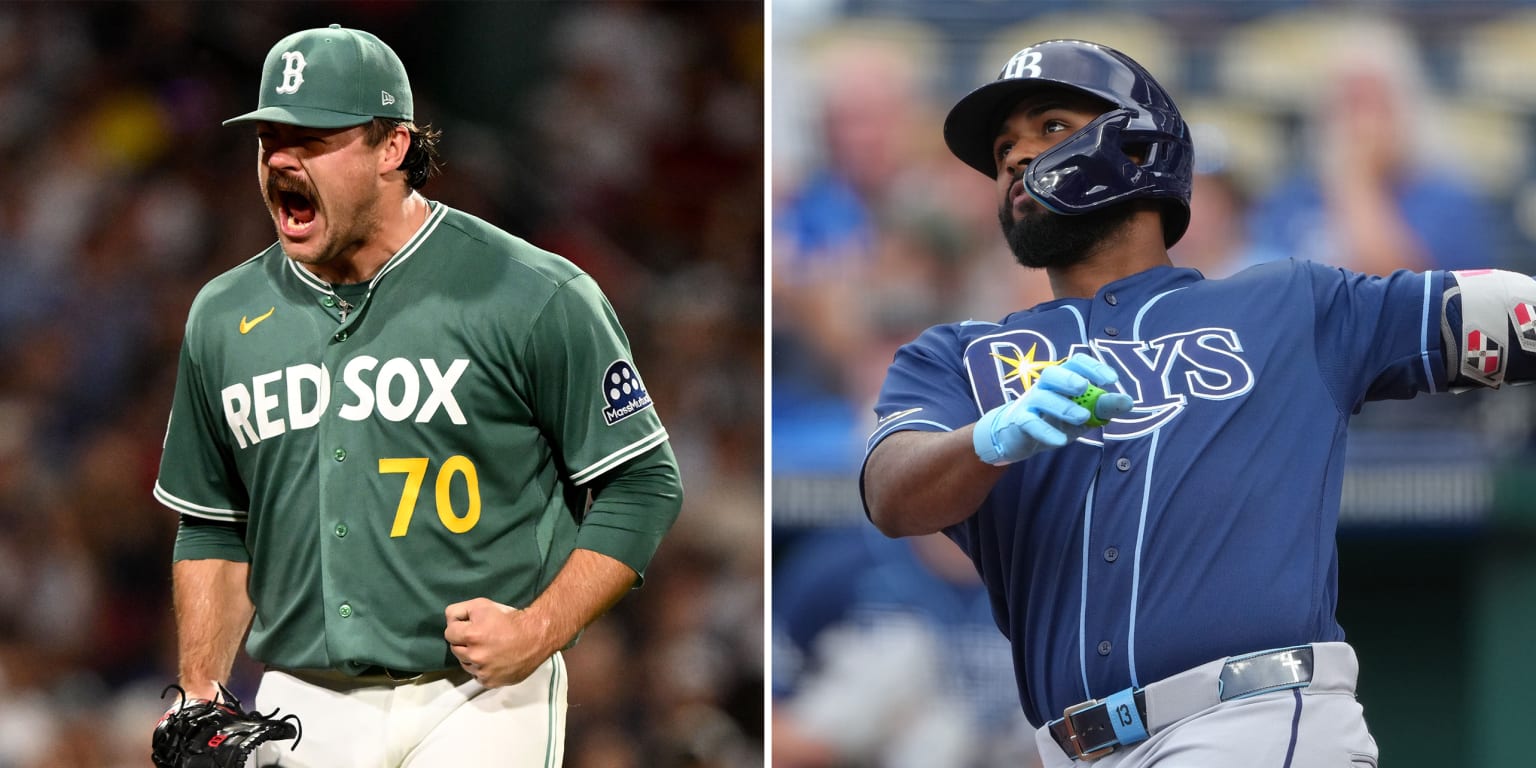
Junior Caminero has done something that hasn't been done in at least 126 years: the 22-year-old Red Sox slugger homered in six consecutive games, a feat unmatched by anyone since the turn of the 20th century. That streak—which would have concluded by early July—landed him a spot as the first confirmed participant in the 2026 Home Run Derby, scheduled for July 13 at 8 p.m. ET on Netflix and MLB.TV. Caminero's back-to-back Derby appearances (this marks his second straight year) signal the organization's confidence in his star trajectory, but the timing creates a peculiar tension in the betting markets: nine days separate the end of his documented streak from the Derby stage.
The historical context matters less than the mechanics of what Caminero has demonstrated. A six-game homer streak among the youngest cohort to achieve it suggests not just hot hand volatility but structural power production—quality of contact, swing decisions, pitcher recognition. At 22, his zone discipline and exit velocity are still settling; when both align, the damage ceiling is genuinely rare. The Red Sox, riding a four-game sweep of the Yankees at Fenway Park, have given Caminero regular at-bats in a lineup with fewer obstacles to his run production than some peers face. His offensive role has clarity: he swings for power, he gets pitches to hit.
For Derby participants, the nine-day layoff between a hot streak and the event itself is instructive. Historical Derby data shows participants who enter the bracket riding immediate momentum—within 48-72 hours of a notable power display—often ride that confidence into higher round advances. The inverse also holds: participants who cool for a week post-streak sometimes regress toward mean performance under the lights. Caminero's streak timing means he will carry psychological momentum into the Derby, though without competitive plate appearances in the intervening week, his swing calibration may not be tournament-sharp. This is not a mechanical degradation; it's a variance question.
From a betting perspective, Caminero's HR Derby props (round-by-round advances, total homers in the event) carry elevated variance but also carry the informational advantage of his recent six-game proof. Anyone simply betting on "young power hitter in Derby" gets no edge; the market has already priced his age and talent. But Caminero's specific historical achievement—the youngest since 1900—is unlikely to be fully weighted by casual bettors, and his Derby odds probably reflect a generic "second-year participant" baseline rather than a player who just demonstrated weekend-level power production. The Derby itself occurs nine days out, which is far enough that the streak story will have cycled through media and casual betting consciousness by then, potentially leading to over-adjustment and looser lines on Caminero advancing past Round 1. Sharps who track Home Run Derby historical performance by participants coming off immediate hot streaks will recognize the pattern: elevated confidence plus recent proof of power often translates to higher round advancement rates than the pre-event odds suggest.