Deadline Sellers Open the Vault: How Neto, Holmes, and Griffin Shape Contender Rosters in 11 Days
By PropBetEdge Editorial Team ·
With the trade deadline 11 days away, three difference-makers—a power-hitting shortstop, a high-leverage reliever, and an All-Star left-hander—are suddenly available, forcing contenders to decide whether to spend prospect capital or bet on internal fixes.
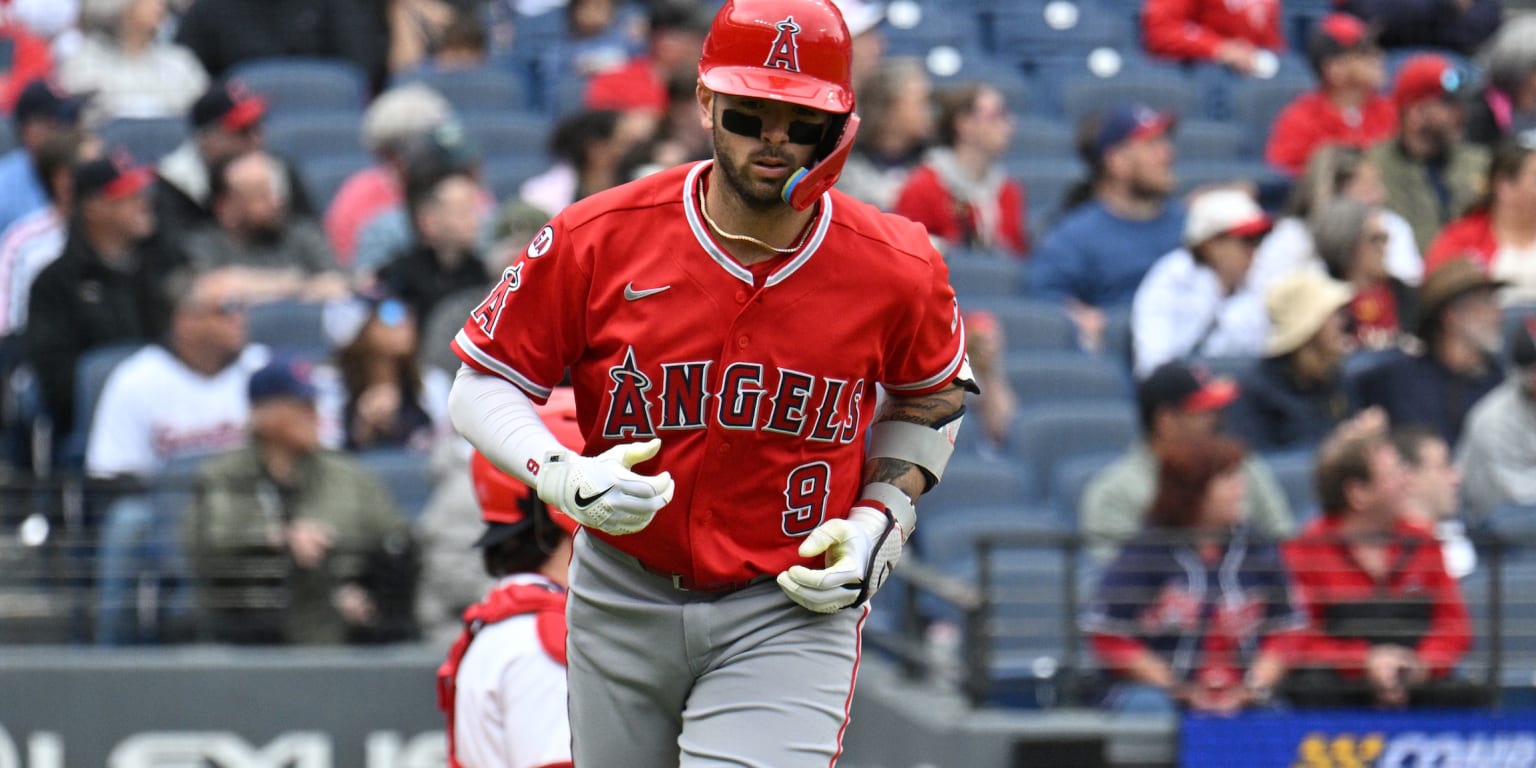
The Angels, Mets, and Nationals have all signaled openness to moving significant talent before August 3, reshaping the contender landscape in the final two weeks of July. The most immediate domino is Zach Neto. Angels interim GM John Mozeliak has told rival clubs he'll listen on the 25-year-old shortstop if the return justifies it—a stance that surprised many, given Neto's 13.4 WAR since 2024, fifth-best among shortstops with meaningful innings played. He's 19 home runs into the season, third at the position, and carries three-plus years of team control, making him less a deadline rental and more a foundational piece being dangled. That Mozeliak is willing to move him at all signals the Angels organization has made a hard call: prospect capital and young talent acquisitions matter more than the marginal win impact of a league-average fielder with plus power.
The Mets' calculus with Clay Holmes follows a similar ruthlessness. Holmes fractured his right fibula in May and has been rehabbing quietly while rival scouts watch Thursday's assignment start. He can opt out at season's end, and earlier this month he said he was "definitely open" to staying. But sources briefed on the situation say the Mets front office now views a trade as significantly more likely than an extension. That's the market telling you something: the Mets believe they can acquire more long-term value by trading Holmes now than by betting they can convince him to stay. White Sox scouts are already tracking his rehab. For any contender, Holmes—a legitimate late-inning weapon once he returns—represents the highest-leverage bullpen addition available in this window.
Foster Griffin rounds out the displacement wave. Washington signed him to a one-year, $5.5 million deal as a free agent, and he's rewarded them with a 2.68 ERA, 1.03 WHIP, and an All-Star nod. He's a pending free agent at season's end, which means contenders can acquire him as a rental without long-term commitment. That the Nationals are even considering moving him signals they've either accepted a sell-off or determined they're not buyers; either way, a controllable top-three starter is in play for the first time this summer.
From a betting lens, the availability of these three trades matters most to teams actively acquiring. The Cubs, linked to both Detmers and Soriano from the Angels, will need to decide whether to pay premium prospect price or settle for a mid-rotation arm. If the Cubs land Detmers (controllable through 2028), it reduces pressure on their bullpen to execute in close games—fewer runners inherited means fewer high-leverage situations. That translates to lower variance on Cubs team totals and unders in September, when cold weather compresses scoring. Holmes to a contender narrows the bullpen exposure for that acquiring team, which typically tightens team-total ranges by 0.3–0.5 runs for playoff-bound clubs. Conversely, if any of these assets stay put, contenders left to rely on internal solutions face higher stress in October.
The prop market hasn't yet priced in which club gets which piece, but it will fast. The Angels' willingness to move Neto and a starter creates a supply shock—the market was pricing for Angels hold, meaning early-movers on acquiring teams' totals will have captured value before the announcement. Once a trade lands (likely by August 2), lines for the acquiring team will tighten immediately. The edge is now, before the domino falls.