Red Sox Buying Spree and Catcher Market Chaos Set Stage for Deadline Volatility
By Erik Schwartz ·
Boston's unexpected surge has flipped them into buyers with 13 days until the deadline, while a glut of catching talent and limited depth on the trade market is creating pricing inefficiencies across multiple rosters.
The Red Sox look like a different team than the one that appeared headed for fire-sale mode six weeks ago. A 19-2 record over their last 21 games has Boston positioned as a legitimate AL threat despite starting the year from a deficit, and the club's decision-makers are now operating in buyer mode rather than seller mode. That shift has immediate consequences for the trade market—not just for Boston, but for every contender scrambling to upgrade before the Aug. 3 deadline arrives in 13 days.
Boston's roster construction reveals two specific weak points: second base (28th in MLB in wRC+) and catching (21st). The team has internal reinforcements potentially on the way—Garrett Crochet and Roman Anthony are both recovering from injury—but relying on late-season returns is a gamble when the division is as vulnerable as it is this year. The Red Sox will likely target an impact second baseman (Luis Arraez and Gleyber Torres are floated as options) and a catcher who can handle both pitch-calling and offensive production. That second need is where the trade market gets interesting, because the catching supply chain is clogged with both speculation and actual availability.
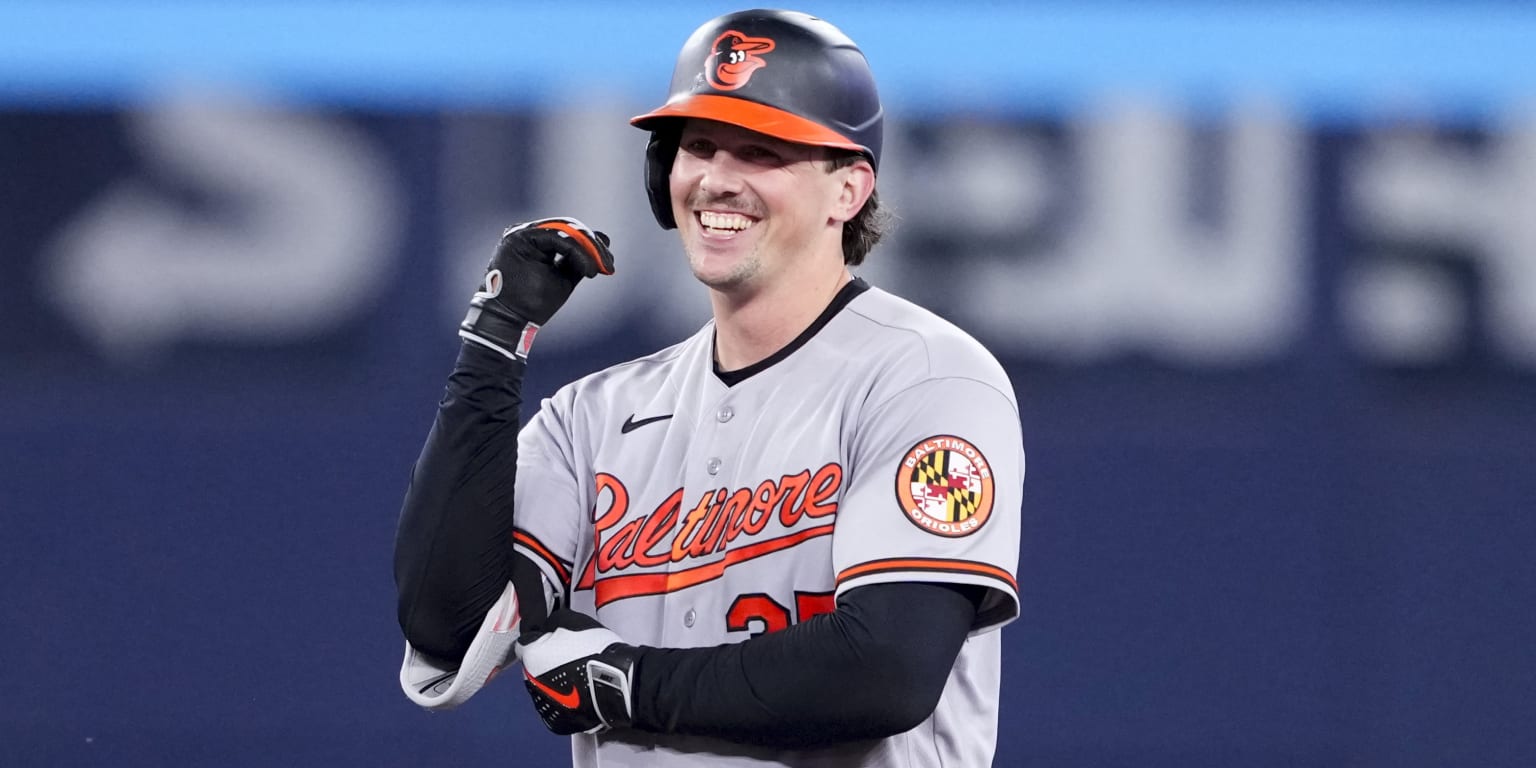
The Orioles' willingness to listen on Adley Rutschman—despite his recent IL stint—signals that even premium, long-term-control backstops are on the table if the price is right. Rutschman won't be a free agent until after the 2027 season, giving Baltimore runway to justify a trade, particularly if the return is MLB-ready pitching. The Athletics, meanwhile, are running a two-track catcher strategy: open to all offers on Shea Langeliers despite his controllability through 2028, but also actively discouraging trade inquiries on the same player. That contradiction (reported separately by different outlets) suggests Oakland's asking price for Langeliers is so steep that it's functionally equivalent to a no-trade scenario. The Twins' Ryan Jeffers, controllable but a pending free agent, represents the most realistic swap candidate for teams like Boston and Tampa Bay.
For bettors, this market compression has real implications. When multiple contenders chase a narrow pool of upgrades, two things happen: urgency drives valuations higher than fundamentals justify, and the teams that pull the trigger earliest often overpay. The Red Sox's buying signal is legitimate—their pitching is strong, their late-game record is elite, and the AL East is weaker than it has been in years. However, any offensive upgrade they acquire in the next 13 days will carry a premium price tag. Second baseman and catcher additions often move offensive lines slightly upward in the short term, but if Boston pays a high prospect cost to acquire someone like Arraez or a depth catcher, the organization may be stretched thin for the final month of the season. Monitor the Red Sox's team total closely after any deadline move; markets will likely adjust upward on the headline ("Boston gets better"), but the real value will depend on whether the acquisition frees up existing lineup construction or simply replaces existing output.