Gray, Miller, and the August Arms Race: How Deadline Urgency Reshapes Bullpen and Rotation Markets
By PropBetEdge Editorial Team ·
Twenty-five days from the trade deadline, three contenders are reshaping their pitching depth in real time—and the price signals are already baking volatility into relief and starter props.
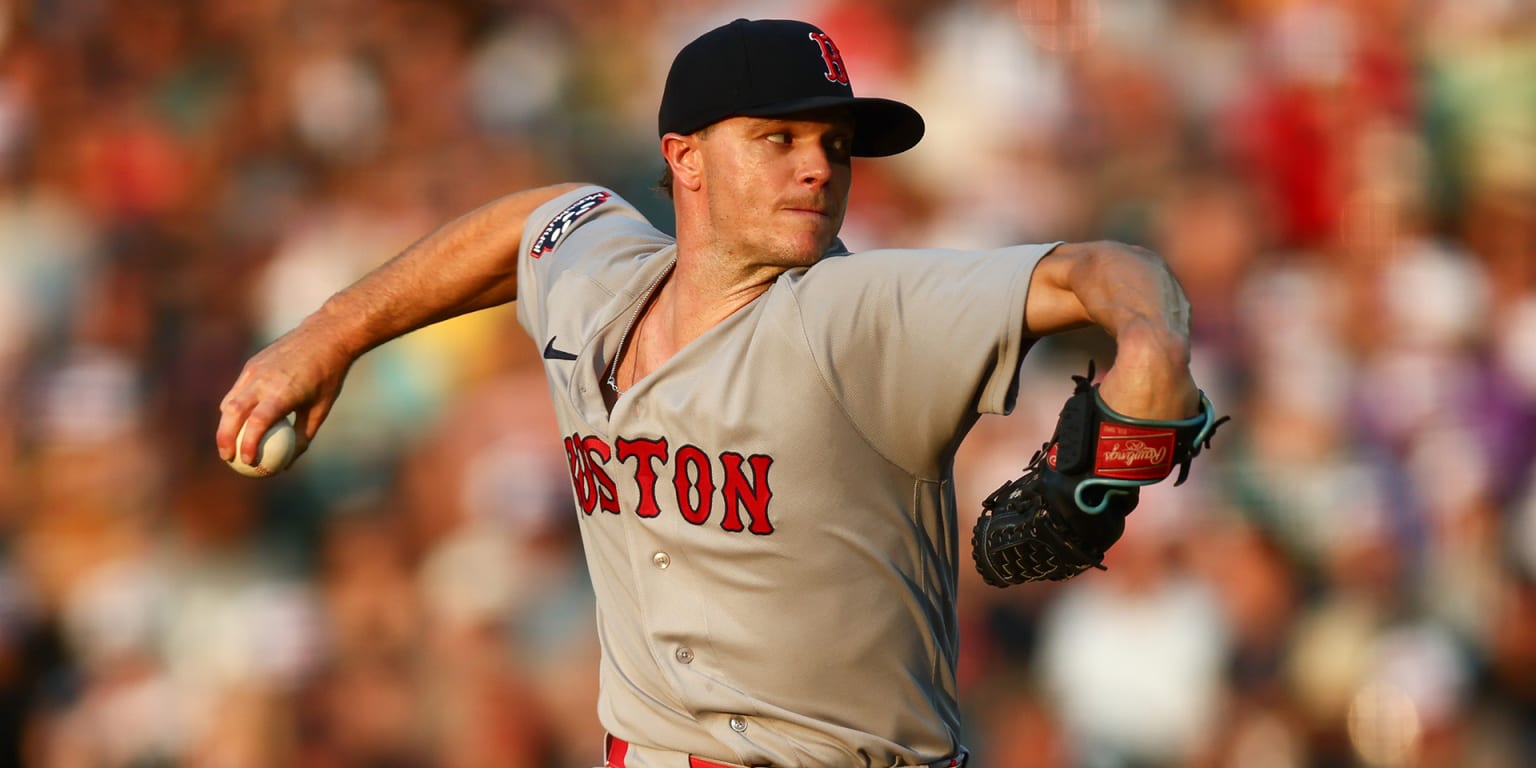
The calendar reads July 9, which means the trade deadline is no longer a theoretical exercise—it's an operational fact. With 25 days until the Aug. 3 cutoff, teams in genuine contention are making irreversible decisions about roster architecture. The Braves, sitting atop the NL East, are eyeing Sonny Gray as a stabilizing force for their injury-depleted rotation. The Padres, meanwhile, are fielding offers for Mason Miller, their high-octane closer, just one year after mortgaging the farm to acquire him. These aren't rumors floating in the ether; they're active negotiations reshaping bullpen and rotation markets in real time.
Start with Boston's unexpected pivot. The Red Sox were circling the drain—six games under .500 a week ago—then went 10-2 in their past 12 and suddenly they're three games from a Wild Card spot. That reversal matters for Gray's fate. At 36, with a 2.61 ERA and eight consecutive quality starts over 89⅔ innings, Gray is a proven postseason addition if Boston decides to buy. But if they continue winning, they keep him. If they lose the next 10, he's gone by deadline. The uncertainty itself is prop poison: Gray's strikeout lines will fluctuate based on weekly record movements, not underlying skill. His next start is Friday against the Mets—watch how books price his K prop in the 24 hours before first pitch. If Boston's win streak extends to six, books may shorten his strikeout line, expecting a quick exit for a selling team. If the Red Sox lose, lines could compress further because Gray would be traded mid-outing and removed from the statistical record.
Miller's situation is different but equally disruptive. The Padres surrendered Leo De Vries—the No. 2 overall prospect—plus three more pieces to acquire him 12 months ago. Now, nine games under .500 and buried in the NL Wild Card chase, San Diego is actively gauging what he'd fetch in a deal. That's the opposite of a team in denial. An NL executive quoted by MLB.com suggested Miller could return two top-100 prospects or equivalent organizational depth. Miller's strikeout numbers are pristine—he's armed with the hardest fastball in baseball at 101.3 mph average—but his appearance total, save rate, and holds will all spike or crater depending on whether he gets traded mid-month. If he stays, he's a constant closer for a mediocre team. If he's moved to a contender, his workload reshapes immediately.
For prop bettors, this creates a window of inefficiency. Miller's hold rate should be elevated for the next 10 days while uncertainty reigns; books haven't yet priced in the mechanical reduction in leverage that comes when a closer lands on a true pennant contender. His strikeout prop is durable (he strikes out 11.2 per nine), but games-played and save-opportunity lines are live wires. Gray's situation is more volatile. A Red Sox collapse in the next week virtually guarantees his trade; a sustained win streak might keep him in Boston. Books will adjust his quality-start and innings-pitched props weekly based on team momentum, not pitcher form. The edge exists in the next 48-72 hours: before the Red Sox play again and the market reprices Gray's trade probability.
The broader lesson is temporal: August trades don't kill prop markets on Aug. 3. They kill them in early July, when uncertainty peaks and teams broadcast their intentions through win-loss records. The Padres' nine-game losing streak is a sell signal as clear as any press conference. The Red Sox's 10-2 run is a buy signal. These sequences compress the deadline timeline—it's no longer 25 days away, it's three weeks until the market admits what the wins and losses have already decided.