Mets Face July Reckoning: Roster Bloat and the Deadline Fire Sale
By PropBetEdge Editorial Team ·
New York sits 15 games under .500 with a July surge needed to avoid a roster teardown that will reshape betting dynamics for contenders.
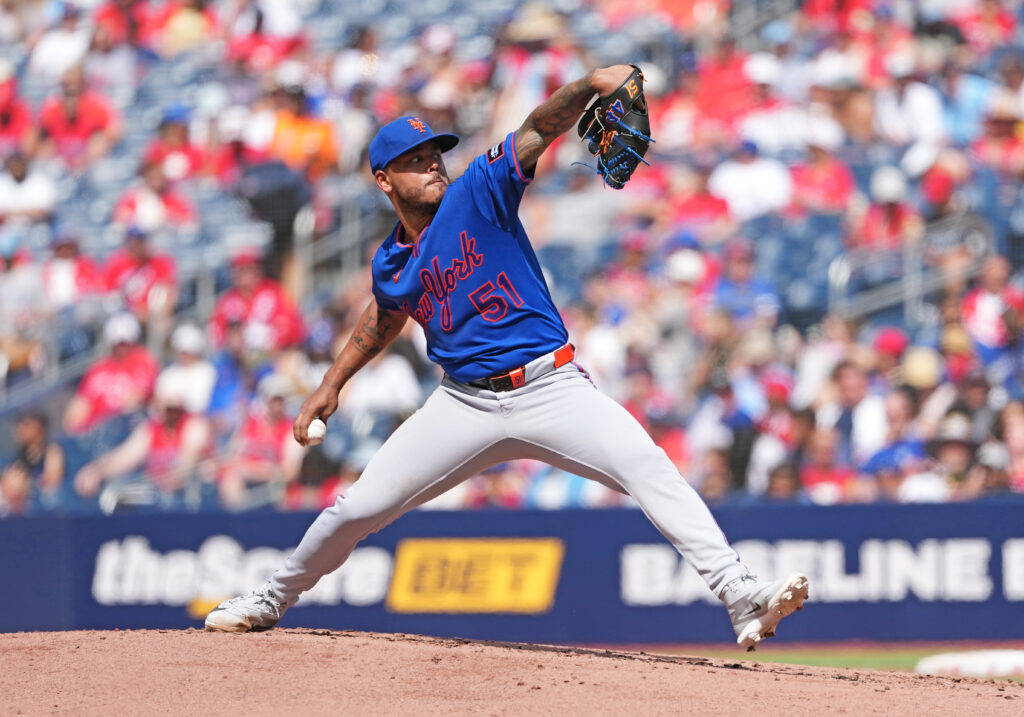
The Mets are staring down a fire sale. At 15 games below .500 and ranked among the five worst teams in baseball over the past calendar year, a managerial change has already failed to arrest the decline. Owner Steve Cohen's stated reluctance to overhaul the roster now collides with mathematical reality: a monster July is the only path that avoids deadline trades, and the odds of that happening are minimal. What begins next week is likely a systematic reduction of payroll and expiring contracts—and that's where the betting leverage lives.
The structural problem is familiar to anyone paying attention: a bloated roster that doesn't fit together. The Mets committed significant resources to aging talent and overlapping positional needs, leaving little flexibility to address holes when injuries or underperformance inevitably struck. The managerial change was a symptom-management move, not a solution. With roughly four weeks until the trade deadline, the calculus shifts from "can we make a run" to "who moves and for what value."
For bettors, this creates two distinct eras. In the next 7-10 days, before any formal teardown begins, Mets team totals and individual prop lines may still price in a functional roster. That window closes fast. Once Cohen and GM Billy Eppler begin fielding offers on expiring deals and underperforming position players, the team's run production will compress, bullpen leverage will shrink (fewer arms available in tight spots), and games shift toward lower-leverage play. A Mets team total of 4.0 runs might look reasonable today; post-trade-deadline, the same matchup could open at 3.5 with sharper books pricing in a de facto minor league roster in September.
The betting edge isn't contrarian heroics—it's recognizing the cliff. If the Mets lose their next three or four games (well within the distribution of outcomes for a bad team), deadline fever accelerates. The first wave of trades typically moves relievers and aging position players by mid-July. Fade any Mets offensive props after July 10th until the dust settles; the market will adjust, but it will lag the actual roster degradation by 2-3 games. Early buyers of Mets team totals over the next week may have value before the reset; late buyers after July 15 are essentially betting against a AAA roster.
Cohen's statement about resisting an overhaul is theater. The numbers don't lie, and neither does a 15-game deficit with no trajectory. The Mets' leverage evaporates the moment they become sellers, and the market knows it.