Twins Face Bullpen Reckoning at Deadline: A Roster in Limbo
By PropBetEdge Editorial Team ·
Minnesota's front office must choose between a buyer's splash or a seller's retreat, but the bullpen collapse has already written the script.
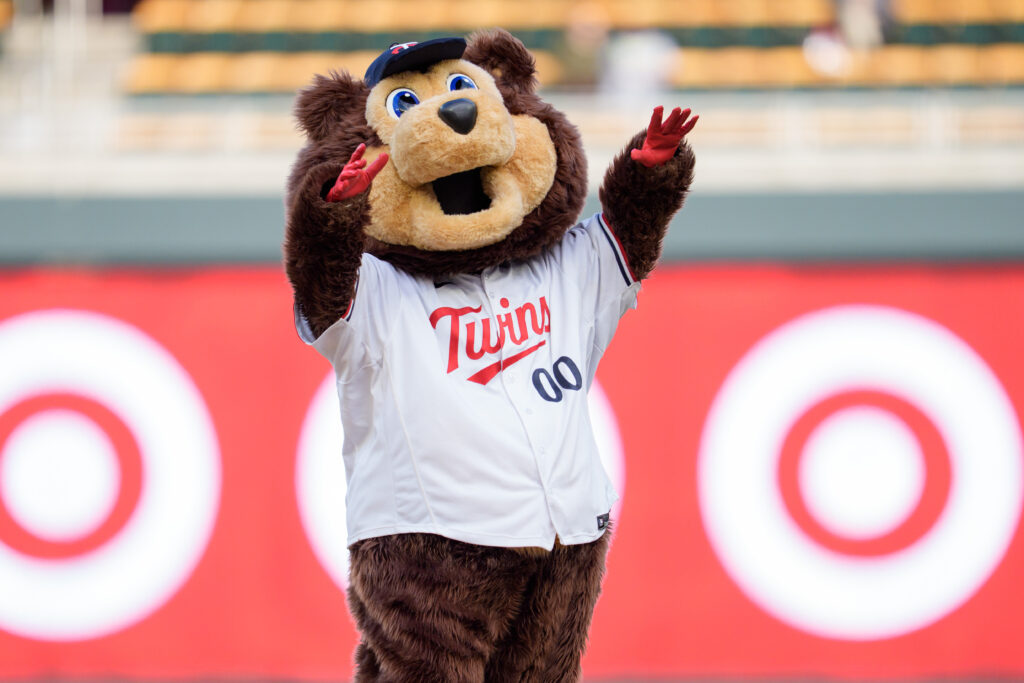
The 2026 Twins occupy a rare purgatory: a roster flush with offensive talent and quality starting pitching that has underperformed expectation, yet structured—by payroll constraint and departing control windows—like an organization resigned to rebuild. Taj Bradley's breakout, Joe Ryan's consistency, Ryan Jeffers' elevated approach, Byron Buxton's power surge, and the emergence of Brooks Lee and Luke Keaschall have delivered a competitive nucleus on paper. The problem, as the source notes, is fundamental: Minnesota traded away five relievers from a dominant 2025 bullpen unit and replaced that depth with understated names like Taylor Rogers, Eric Orze, and Anthony Banda. The result is a bullpen ranked among baseball's worst, and a 49-52 record that sits miles from playoff contention despite the talent visible across the position player roster.
Ownership dynamics complicate the calculus. Tom Pohlad assumed control of the franchise last December, displacing his younger brother Joe, and has publicly stated his intention to compete. Less than two weeks ago, he told the local beat that the organization must make an upfront investment to put a better product on the field and regain fan trust. That language suggests a buyer's mentality. Yet payroll has contracted by roughly $50 million since the Twins' last playoff appearance in 2023, and several key contributors—catcher Jeffers, infielder Josh Bell, and closer Taylor Rogers among them—are either free-agent-eligible or near the end of their control windows. A wholesale seller's pivot would reduce costs further. Pohlad's refusal to commit firmly to either direction is telling: the team's actual deadline moves will depend entirely on whether they find themselves within wild-card distance over the next three weeks.
The bullpen shortage has cost the Twins not just wins, but plausibility. Had Minnesota retained even competent relief depth, the organization credibly could have approached the deadline as a buyer. Instead, the poor team total record masks an offense and rotation that have outperformed many preseason projections. This dynamic surfaces a structural prop angle: Twins position player lines—particularly Jeffers, who is enjoying a monster season at .288/.401/.540 with elite walk-to-strikeout ratio balance—will carry hidden value through the deadline window. Jeffers, specifically, has returned from a two-month hamate fracture with five hits, two doubles, three walks, and three strikeouts across 20 plate appearances since the All-Star break. That power profile and plate discipline are durable; they don't depend on bullpen performance or team record. An acquiring team could install Jeffers at DH and immediately unlock his offensive upside independent of Minnesota's win-loss column.
For bettors, the deadline creates a fork: if the Twins sell Jeffers and other rental pieces, the implied narrative is that their rotation and position player core are insufficient to contend, signaling lower offensive output going forward. If they buy—or stand pat—Jeffers stays in a supportive lineup (Victor Caratini posted .288/.364/.505 behind the plate this winter) and retains leverage with runners in scoring position. The market will price Jeffers' individual prop lines around the team's playoff odds (currently 23.1% per FanGraphs), but those odds are depressed by bullpen drag, not offensive mediocrity. A trade scenario that removes Jeffers to a contender actually validates his bat, not his situation. Watch for Jeffers lines to spike if Minnesota moves him; if the team keeps him, his current props offer value precisely because the market conflates team competence with player output—a mistake when the failure is in relief depth, not batting talent.