Oakland's Deadline Pivot: From Contenders to Sellers in Three Weeks
By Ty Whitney ·
The Athletics' injury wave has erased a half-game deficit and reset their July calculus from buyers to fire-sale mode.
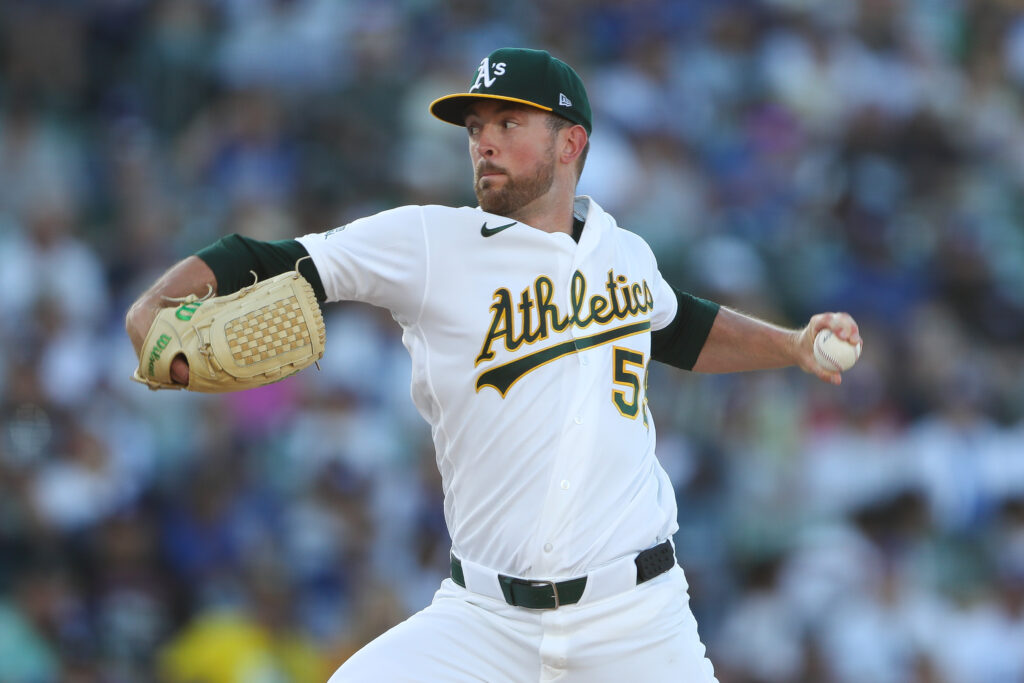
Three weeks ago, the Oakland Athletics sat within a half game of the AL West lead, the front office publicly preparing to chase starting pitching at the deadline. Late June injuries have compressed that window from playoff positioning to seller's market in a single turn of the calendar. The lineup damage is severe enough that the organization is now weighing asset sales rather than acquisitions—a pivot that reshapes not only roster construction but also betting assumptions about Oakland's second-half volatility.
The timing matters. A contending roster that falls to sellers' footing in under 21 days signals injuries deep enough to dismantle competitive depth. Without specifics on which position players are sidelined, the macro read is clear: this isn't a correctable slump. It's a structural depletion. Teams don't shift from buyer mode to teardown mode because of lineup cold stretches; they do it because key contributors are unavailable for meaningful stretches. That kind of attrition compounds. A team that loses its competitive ceiling also loses its floor—suddenly every remaining starter becomes tradeable, every controllable contract becomes a commodity, and depth talent that was supposed to carry the club through injuries becomes the price of admission for contenders with October timelines.
For bettors, the immediate read is straightforward: Oakland's win total and spread exposure should tighten. When a front office commits to sellers' posture, the implicit message is that August and September lineups will look materially different from June. That uncertainty depresses totals and inflates juice on the moneyline side—bookmakers price in the volatility of a team that could lose its best pitcher or starting position player any day when that asset moves at the deadline. The Athletics' remaining schedule carries embedded option value for the sportsbook, not the bettor.
The Kurtz matter—whether Oakland holds or deals its prospect—becomes a tell on how deep the deadline sell goes. If Sacramento moves an asset with years of control remaining, that's a surrender signal. If they hold prospects while trading veteran arms or established hitters, it's a partial pivot. Either way, the Athletics' July window is no longer about pitching upgrades. It's about maximum return on moveable pieces and management of fan expectations. That calculus lands heaviest on team total unders for August-forward matchups, where lineup absences will be priced in.