Flaherty's Third-Inning Collapse Meets Tampa Bay's Fortress: Why Early-Inning Unders Shape Tuesday
By Erik Schwartz ·
Jack Flaherty has hemorrhaged $863 in Tigers losses this season, but the real edge isn't fading him entirely—it's targeting the innings where his mechanics truly break down.
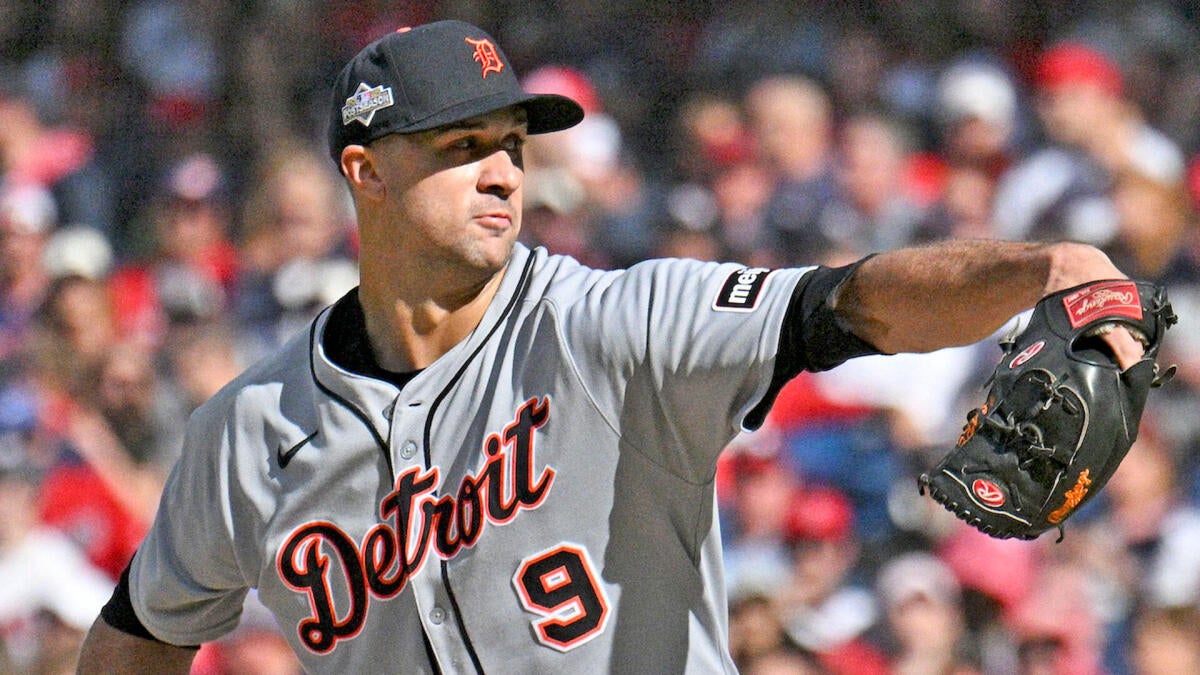
The Tigers will start Jack Flaherty against Tampa Bay on Tuesday with a pitcher who has become the American League's most reliable path to a losing ticket. Per CBS Sports reporting, Flaherty is 0-7 with a 5.81 ERA and 1.61 WHIP across 12 starts, with Detroit recording just two wins in those appearances. If a bettor wagered $100 on the Tigers in each Flaherty outing, the cumulative damage would sit at minus-$863—the worst mark among AL pitchers.
The underlying numbers explain why the bleeding is selective rather than uniform. Flaherty's ERA by inning tells the real story: 5.25 in the first, 2.25 in the second, but 8.18 in the third and a catastrophic 15.19 in the fifth. This isn't random variance. His career BABIP sits at .290, yet he's running .336 this season—a gap that suggests some bad luck—but the third and fifth inning breakdowns persist even after adjusting for batted-ball luck. The mechanical issue crystallizes when Flaherty faces opposing lineups a second or third time: he walks 30 batters on the year, near the top of MLB starters, and has allowed at least three earned runs in each of his last three outings despite recently striking out 20 over that same span. The scouting narrative is clear: he can execute the first two times through the order, then loses command and repeats.
Tampa Bay's home fortress—21-7 with six consecutive home series wins—isn't built on offensive fireworks; it's constructed from shutdown pitching and elite defense. Steven Matz, the Rays' Tuesday starter, represents the archetype: a 35-year-old reclamation project with a .203 batting average allowed at Tropicana Field. The Tigers are 6-14 against southpaws with a .209 team average, making them structurally incompatible with Matz's role. Detroit's entire offensive machinery grinds down when facing lefties, a consistency that doesn't fade across small samples.
The prop angle emerges in the early-inning construct. Flaherty's first two innings carry a 2.25 ERA; his third and fourth innings explode. A standard under on total first-inning runs will be priced assuming Flaherty's season average (5.81 ERA), but that average masks the bimodal distribution—he's legitimately competent early, then combusts. Books price opening-inning unders to reflect the full-season ERA, not the fact that Flaherty's first-inning performance is 14% better than his season-wide mark. An under 1.5 runs in the first two innings—exploiting the one zone where he's close to reliable—captures a structural edge without betting on a miraculous correction. The inverse: any prop suggesting Flaherty pitches a quality start or stays clean beyond the second inning warrants a fade. He hasn't done it in 2026.
Tampa Bay's moneyline at any standard number (around -125 to -145) benefits from both Flaherty's third-inning walls and the Rays' best-in-baseball home record. The parlay suggested in the source material—Rays ML plus under 1.5 second-inning runs—removes one layer of Flaherty's chaos (staying out of the destructive third) while leaning into Tampa Bay's fortress advantage. The real money, though, sits in targeting the specific innings where Flaherty's mechanics betray him rather than blanket fading him on team total props.