Tigers-Rays Collapse Narrative Masks the Real Scoring Problem
By PropBetEdge Editorial Team ·
Detroit's May implosion and Tampa's hot start are real, but the Monday matchup's 8-run total underprices an offense in free fall against a defense that thrives on it.
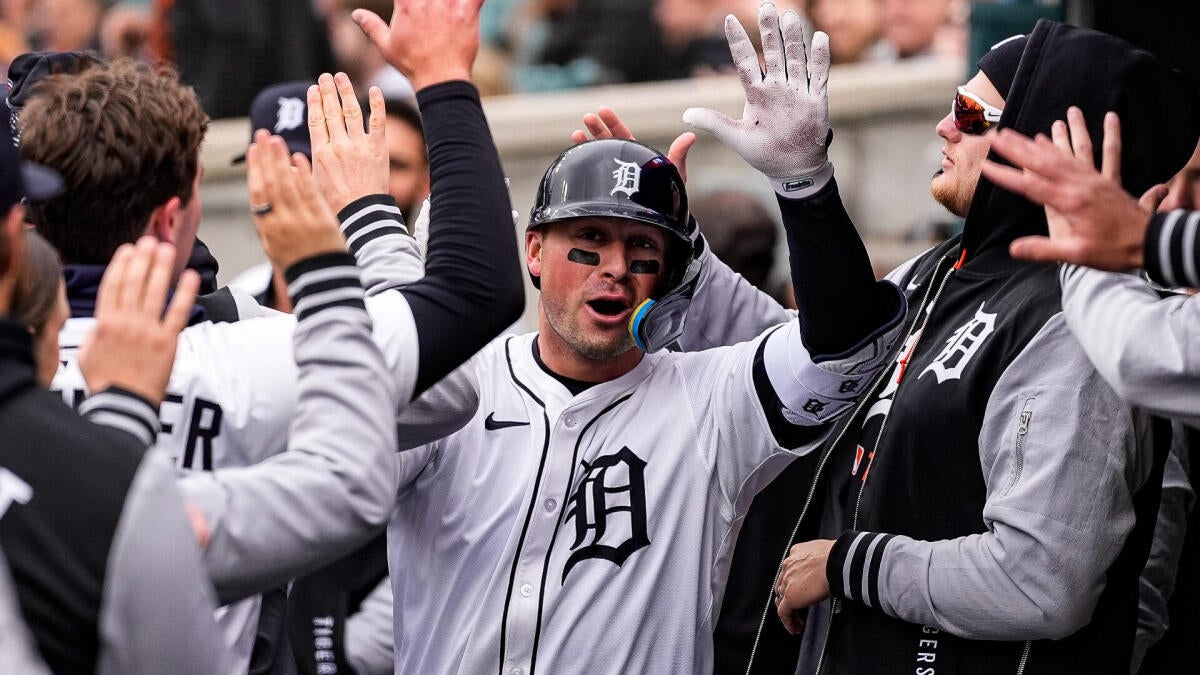
The Tigers have hemorrhaged 11.5 games in the AL Central standings since May 1, plummeting from favorites to last place in the division. The Rays, conversely, sit atop the AL with the best record in baseball. When these teams meet Monday at Tropicana Field, the narrative is written: Tampa is a -162 moneyline favorite, and the betting market has built its assumptions around Detroit's dysfunction and Tampa's excellence. But the headline misses the scoring mechanism that matters for the under.
Detroit's offensive collapse is genuine—and specific. The Tigers have managed just 10 runs across their last five games, a stretch that has pushed unders to 4-1 in that window. That's not variance; that's a team that has lost its ability to string together contact. Kerry Carpenter, Riley Greene, and Kevin McGonigle have been the model's projected contributors in this lineup, yet none have provided consistent barrel access. Against Griffin Jax, whose 3.60 ERA is buoyed by a defense that ranks sixth in home-run prevention, Detroit will face a pitcher who benefits from weak contact. Jax has allowed just 0.8 home runs per nine innings, suggesting his peripherals depend on ground balls and weak fly balls—exactly what a slumping Tigers offense will supply.
Tampa's pitching profile compounds the under case. The Rays defense at home (5.0 runs per game allowed) is structured to suppress offensive output. Ty Madden, Detroit's starter, arrives with a 2.38 ERA across limited innings, but his workload suggests he's still ramping up after injury. Against a Rays lineup that has hit overs in 4 of its last 6 games, the temptation is to chase the over because Tampa scores. However, scoring frequency and run totals are different variables. The Rays' recent overs have largely come in high-velocity games; this matchup features a Tigers offense in full retreat. SportsLine's model projects 9.6 combined runs across 10,000 simulations, pushing the over to a 59% hit rate—but that threshold depends on Detroit generating baseline offensive output. If the Tigers score 3 runs or fewer (a realistic scenario given their recent trajectory), the total caps at 8 or lower, and the under wins decisively.
The market's -162 moneyline for Tampa reflects accurate context: the Rays are the better team, Detroit is falling apart. But moneyline pricing doesn't adjust the run-total line, which remains at 8. The disconnect emerges when you trace the mechanism: Detroit's recent offensive failures are structural (lineup turnover, aging contact profile, injury recovery), not fluky. Madden's low pitch count limits Tampa's scoring opportunity. Jax's weak-contact output from Detroit's depleted bats is the baseline case, not an upset. The over at 8 runs prices in a Tigers offense that has already proven it cannot deliver in this exact scenario. Fade the rally narrative.