Weather Delay Reshuffles Orioles-Tigers; Split Doubleheader Compresses Pitching Plans
By Erik Schwartz ·
Baltimore and Detroit will play back-to-back games Sunday after Saturday rain postponement, forcing both teams to accelerate bullpen usage and compress rest windows.
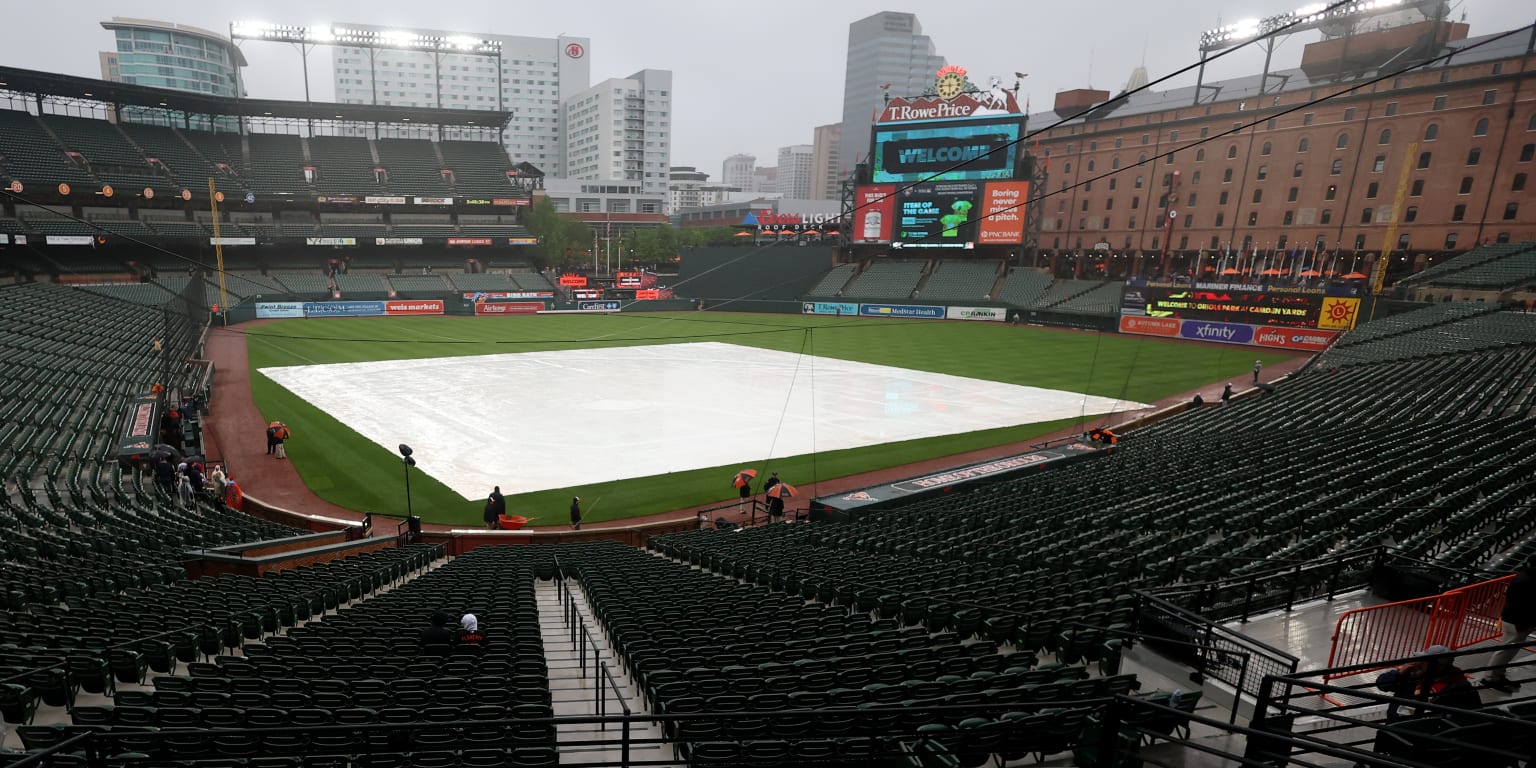
The Orioles and Tigers will not play Saturday, May 23, due to persistent rain and deteriorating field conditions at Camden Yards. The postponed contest will be made up as part of a split-admission doubleheader Sunday, May 24, with game one starting at 12:35 p.m. ET and game two at 6:05 p.m. ET.
Split doubleheaders compress the traditional rest cycle for both starting pitchers and relief arms. The 5.5-hour gap between first pitch and second pitch—typical for split-admission twin bills—allows managements roughly 4 hours of real time between games for bullpen recovery and preparation. This matters because neither team can deploy their full-strength rotation twice in one day; the second game starter is almost always a depth arm or a mid-rotation fill-in rather than a team's ace. Detroit and Baltimore will each burn through their bullpens faster than a typical doubleheader would require, since they cannot piggyback relievers across both games without risking fatigue.
For Baltimore specifically, the postponement also redistributes the team's weekly workload. Playing through rain Friday and then facing a compressed Sunday doubleheader means the Orioles will eat two games' worth of wear—physical and mental—within 24 hours of game action. Tiger hitters face the same squeeze. Depth arms and position players used in mop-up duty become more likely to see plate appearances earlier in game two than usual.
From a prop-betting standpoint, the key advantage flows to bettors who monitor bullpen availability and second-game roster composition before Sunday's 6:05 p.m. ET contest. Markets will reprice both games Saturday evening once teams announce their doubleheader pitching plans. Game two totals, in particular, should tighten or shift in favor of overs if both teams are forced to deploy inexperienced relievers; command becomes unreliable when a reliever has not pitched in two or three days or is making his first appearance of the season. Additionally, any starter pulled early from game one with minor discomfort (hamstring tightness, blister formation) could free up a more capable arm for game-two duty—an information edge if you catch the team's official update before the market does. Watch for bullpen usage data and injury reports released Saturday afternoon; early moneyline and total movement for game two will likely overcorrect to public perception of "fresh bullpen" rather than the operational reality of compressed rest and depth-chart necessity.