Troy Melton's Return From Elbow Surgery Reshapes Tigers Rotation—and the Under/Over Math
By Erik Schwartz ·
Detroit activates Melton for Sunday's doubleheader after spring elbow work, forcing out Seabold and recalibrating pitching depth at a critical juncture.
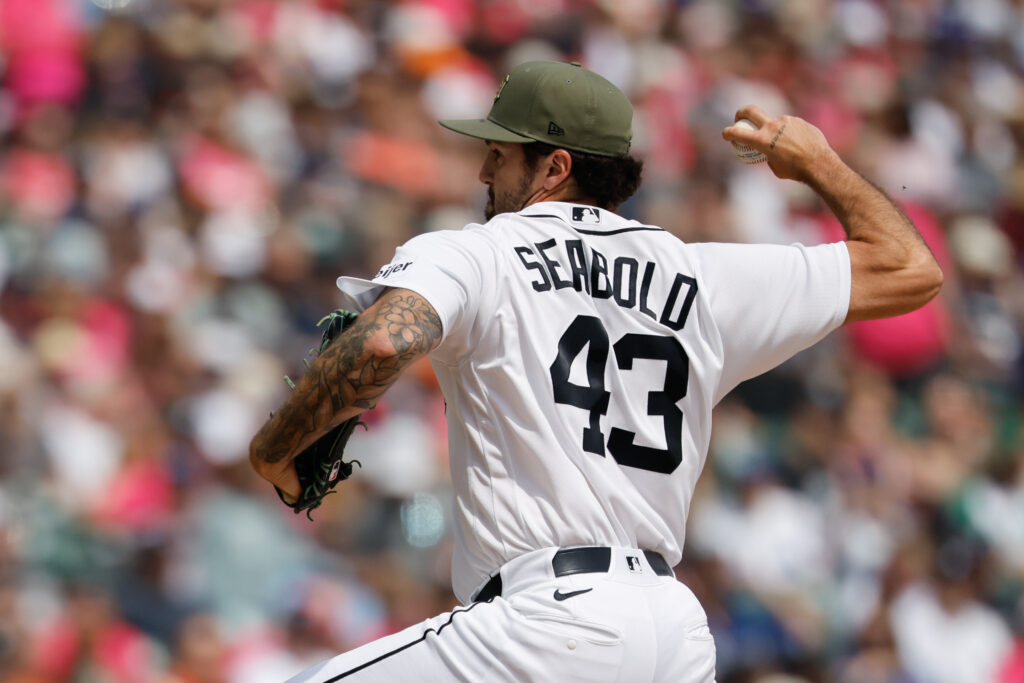
The Tigers designated right-hander Connor Seabold for assignment on Sunday to clear a roster spot for Troy Melton's return from a spring elbow injury. Melton will start Game 2 of the doubleheader against Baltimore, marking his first appearance since the layoff. The move signals confidence in Melton's medical clearance and underscores Detroit's belief that he represents higher upside than Seabold in the rotation hierarchy.
Seabold's DFA is a straightforward depth callout. The righty had filled innings in Melton's absence but never established himself as a permanent fixture; his removal doesn't connote a strategic failure, just a return to organizational pecking order once the higher-ceiling arm became available. Melton's elbow required attention during spring training—specific diagnosis not disclosed—but the Tigers wouldn't activate him into a doubleheader slot without medical confidence he can handle a standard start.
Here's where the edge sharpens. Melton's return injects uncertainty into Detroit's pitching surface over the next 7-10 days. A pitcher returning from spring elbow surgery typically carries two competing vectors: elevated strikeout upside (fresh arm, aggressive attack to prove health) and elevated walk risk (pitch command often lags after extended rest). The Orioles, a top-three offense in contact-quality metrics, exploit command lapses ruthlessly. Baltimore's team OPS against fastballs sits at .920 this season; against heavier movement pitches thrown without precision, that number spikes further. If Melton's command isn't fully integrated, the total for Game 2 could drift higher than pre-announcement pricing. Conversely, if his medical team cleared him at high confidence and he executes early, an Orioles lineup facing a fresh arm and uncertain release point could produce more swings and misses than their season average.
The prop application hinges on Melton's pitch-command profile post-return. If sportsbooks price his strikeout total (K's for the start, if available) at season-expectations levels, that's mispriced upward. A pitcher four months removed from elbow work typically misses his spots in the first 20-30 pitches; the Orioles' aggression off fastballs means they will hunt early strikes and extend at-bats if he's wild. Lean unders on his strikeout prop for Game 2 if the market prices him as though he's a routine mid-season activation. If books acknowledge the elbow layoff and price his K-total conservatively (below his pre-injury per-inning average), fade the bet entirely—the edge evaporates.