Bailey Horn's Tommy John Surgery Ends Tigers Reliever's Season and Threatens Career Arc
By PropBetEdge Editorial Team ·
A depth reliever's elbow reconstruction closes one door and raises hard questions about whether there's time for another to open.
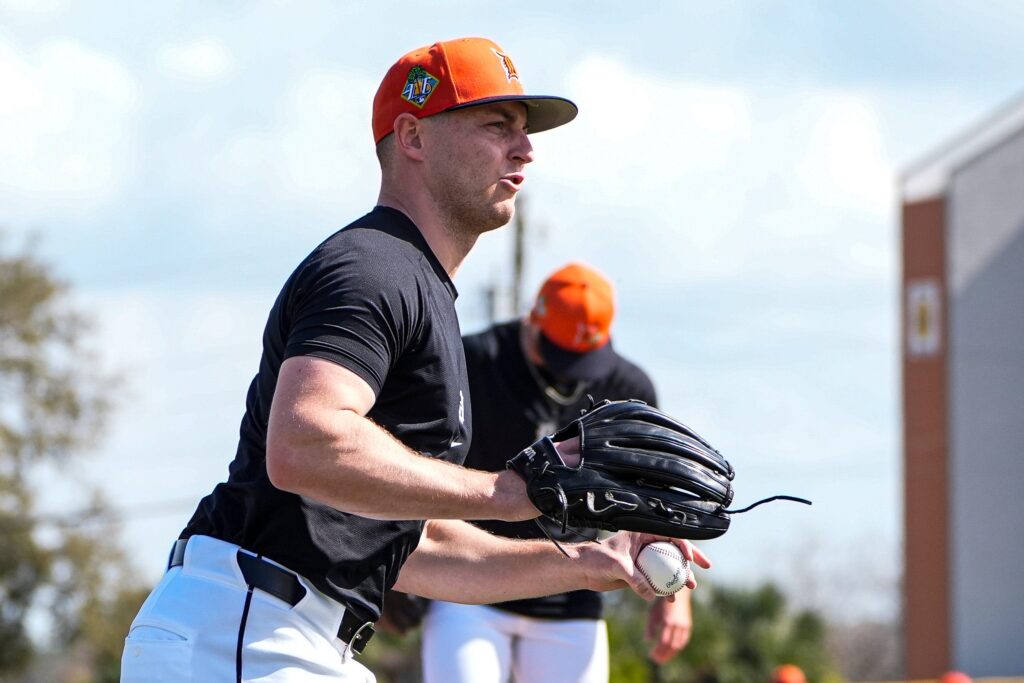
Bailey Horn underwent Tommy John surgery on Wednesday, the Tigers announced, ending his 2026 season and placing his 2027 availability in serious doubt. The procedure caps a year in which Horn never appeared in a game, spending the entire season on the injured list before finally undergoing the reconstructive elbow surgery that the team had been managing around. At 28 years old, Horn now faces a recovery window that stretches into 2027 and possibly beyond—a timeline that compresses the remaining runway of his major league career considerably.
For organizational depth purposes, the loss is manageable. Horn was never positioned as a cornerstone piece; he occupied the fringe of Detroit's bullpen ecosystem. The Tigers have other relief options, and the depth chart doesn't crater without him. What makes this noteworthy from a competitive standpoint is the roster opportunity cost: the team committed to keeping him in the system through a full year of inactivity rather than cutting ties, which signals some residual confidence in his ability to contribute post-recovery. That bet on rehabilitation, though, now extends well into next season at minimum.
The prop-betting angle here is indirect but material. Tiger bullpen leverage metrics—especially late-inning win probability added and inherited-runner scoring rates—become measurably more volatile when depth arms remain unavailable. Over the rest of 2026, Detroit's closer usage, frequency of multi-inning appearances, and overall bullpen stress index will shift to accommodate Horn's absence. If the team stays in contention, this creates pressure on other relievers to log higher-leverage innings than they otherwise would. For bettors tracking Detroit's game-total movers, bullpen fatigue and deployment decisions become a secondary variable that can widen the spread between early and late-series numbers. A reliever forced into three straight high-leverage appearances will carry elevated risk on his strikeout prop and hold-the-lead probability. That's the operational reality that markets price in slowly.