Arizona Clears Salary to Hunt at the Deadline; What That Means for Their Roster
By Erik Schwartz ·
The Diamondbacks shipped Alek Thomas to Los Angeles to shed $1.45 million and create budget space for mid-season acquisitions—a move that signals management's comfort operating near the tax line without breaching it.
The Diamondbacks traded outfielder Alek Thomas to the Dodgers on Tuesday, absorbing a 17-year-old prospect Jose Requena in return—a deal that looks lopsided on paper but serves a specific financial purpose. Los Angeles took on Thomas's remaining $1.45 million salary for 2024, while Arizona pocketed a lottery-ticket international signee who hasn't yet turned professional. The framing matters: this wasn't a baseball trade in the traditional sense. It was a salary-cap maneuver disguised as a prospect swap.
Thomas, 26, had become organizational depth after the Diamondbacks called up Ryan Waldschmidt and designated the veteran for assignment. His 2024 line—.181 with two home runs in 28 games—offered no resistance to the move. What Thomas had done for Arizona was already locked in: a pinch-hit, game-tying homer in the 2023 NLCS Game 4 against the Phillies, a moment that still resonates in D-backs lore. But sentiment doesn't slow payroll. The team needed him gone, and the Dodgers were the only outfit willing to absorb his contract and send back something with upside, however distant.
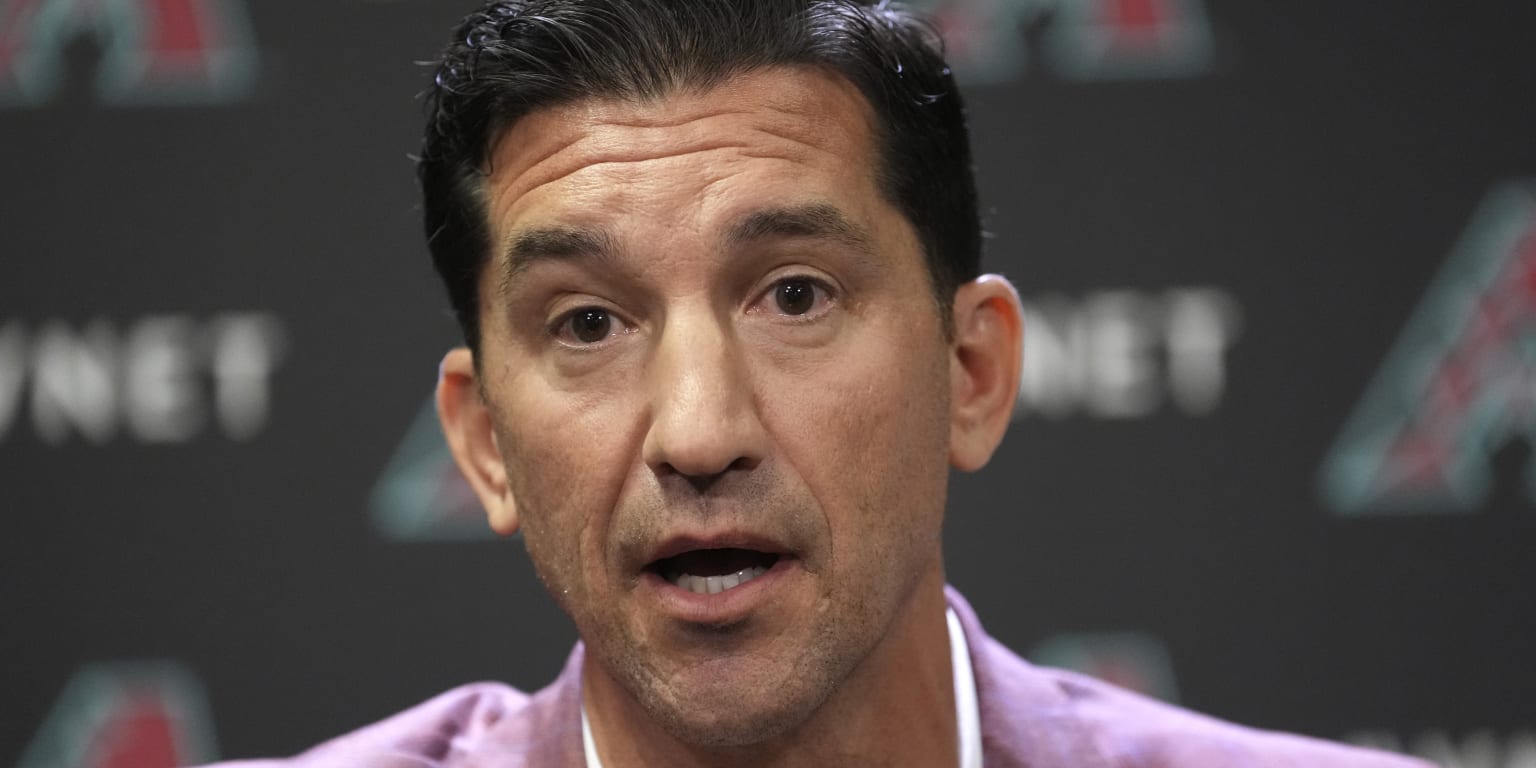
General Manager Mike Hazen has been explicit about the constraint: Arizona sits $5–10 million below the first Competitive Balance Tax threshold, and the team wants room to operate at the Trade Deadline without forcing ownership into uncharted CBT territory for the first time in franchise history. Hazen said ownership has backed spending increases when a championship window appeared real, but he's resisting the notion that busting the tax should be Plan A. By moving Thomas, the D-backs bought themselves optionality—the ability to acquire impact depth without having to negotiate with Ken Kendrick and Derrick Hall about crossing a financial line the organization has never crossed. In a competitive NL West, that flexibility could mean the difference between a mid-rotation arm and a third outfielder, or none at all.
For bettors, this signals something more durable than a one-game event: Arizona's front office is serious about competing in 2024 and is willing to engineer the cap space to do it. That confidence doesn't move individual player lines today, but it does forecast roster construction in July. If the D-backs front-load their Deadline spending—and Hazen's comments suggest they will—expect an uptick in run-scoring and win probability that compounds through September. The trade itself is a process signal: the organization is willing to sacrifice upside (Requena's theoretical ceiling) to preserve present-tense roster flexibility. Teams that move prospect capital to chase now typically follow through. Over the next six weeks, monitor Arizona's team total and moneyline movement; if they acquire an above-average bat or starter, their implied win rates will shift before the market fully reprices the odds.
Requena's role is genuinely secondary—Hazen acknowledged the kid might never reach the majors. The real trade was cash for future optionality, and the Dodgers got a league-minimum depth chart body. That's fine. What matters is that Arizona just spent a prospect to guarantee itself the ability to spend money in July. In a sport where marginal wins compound, that's not a gamble. It's a statement of intent.